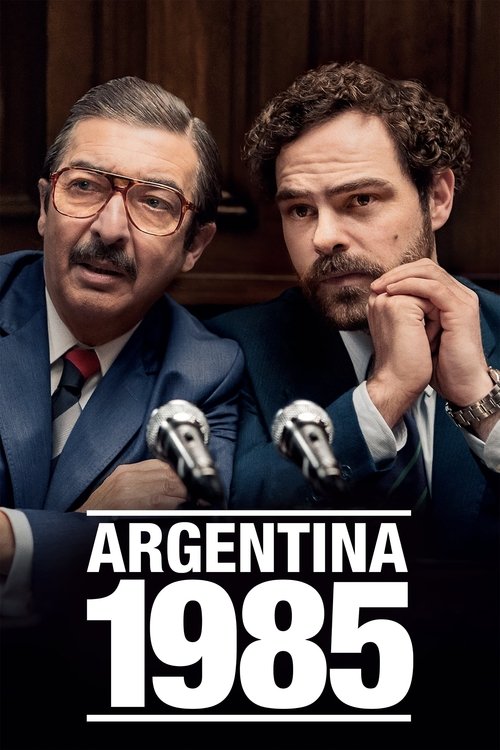
Argentina 1985
2022
No user ratings available yet
Representation score: 8.1 out of 10

Representation Score
Good
1998
Director
Beto Brant
Runtime
76 minutes
Average Rating
No ratings yetNew Showbiz Analysis
Friendly Fire is a sophisticated look at political trauma and sexual identity. It goes beyond typical political thrillers by intertwining the legacy of Brazil's dictatorship with the fluidity of modern desire. The film effectively uses queer theory and critiques of colonialism to challenge conventional structures. It provides a nuanced view of how systemic oppression intersects with individual freedom and memory. While the film excels in exploring non-traditional sexual identities and institutional critique, it remains focused on male protagonists, leaving female and specific racial identities somewhat secondary.
Category Breakdown
The film includes same-sex relationships and fluid desires as key elements of the story. It avoids portraying queer identities negatively, showing them as important to the characters' journey towards independence.
The story challenges traditional masculine roles by highlighting vulnerability instead of stoicism. However, female characters play a supporting role to the main male-driven political and romantic storylines.
The cast reflects Brazil's diverse racial and ethnic makeup in an urban setting. However, the film focuses more on personal relationships than on the role of racial identity in the political struggle.
The film critically examines systemic oppression during the military dictatorship. It promotes moral flexibility rather than adhering to a single traditional moral viewpoint.
The narrative explores psychological trauma and physical injuries resulting from state torture. However, it does not specifically address distinct disabilities or neurodivergence.
Present on Screen
Limited or Absent
Official Synopsis
Brazil in the early 70s. Miguel, Eloi, Osvaldo and Paolo take part in armed attacks against the military dictatorship. They pay a heavy price with torture and arrest. Today the four friends still see each other. Only Miguel is politically active. On a photograph from a political meeting in Sao Paolo he recognises the policeman who tortured them 25 years ago and who was responsible for the death of Miguel's girlfriend. The policeman has been officially dead for a few years. On one of their fishing trips together, Miguel tells his friends of his discovery. When they hunt down and confront their nemesis they come into conflict with both themselves and each other.
2022
1997

2015
2018

2019
1994

2013
1977
No reviews yet. Be the first to share your thoughts on this movie!
Use the rating form above to leave a star rating and optional review.