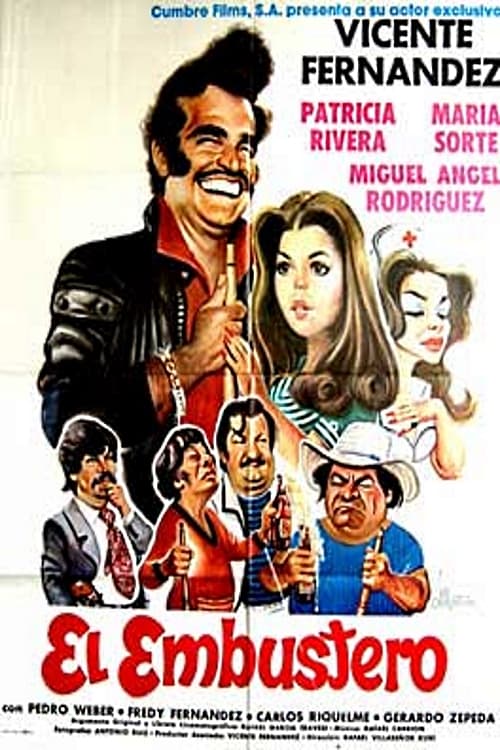
El Embustero
1984
No user ratings available yet
Representation score: 4.5 out of 10
Representation Score
Limited
1987
Director
Rafael Villaseñor Kuri
Runtime
85 minutes
Average Rating
No ratings yetNew Showbiz Analysis
El Cuatrero is a significant piece of regional storytelling that challenges traditional hierarchies of property and class. It reframes social rebellion as a response to systemic economic pressures rather than simple criminality. However, the film remains tied to conventional gender clichés, reinforcing traditional masculine dominance. The film's strength lies in its authentic portrayal of the socioeconomic realities of the Mexican peasantry, providing a nuanced layer of representation.
Category Breakdown
The film does not include any LGBTQ+ characters or non-straight identities. The main character follows a traditional womanizer archetype.
Gender roles follow traditional norms in rural Mexico. The protagonist embodies male clichés of conquest, while female characters have limited influence as primary plot drivers.
The film features a predominantly Mestizo and Mexican cast. It highlights the perspectives of the peasantry, offering a detailed and locally relevant portrayal.
The story critiques the landed elite and systemic inequality. While a church-run orphanage provides context, the main conflict revolves around anti-capitalist and anti-landowner sentiments.
There is no significant depiction of physical or neurodivergent disabilities in the narrative.
Present on Screen
Limited or Absent
Official Synopsis
Gambler-horsethief-womanizer ends up hiding out in a church-run orphanage. Spiritual regeneration stuff happens.
1984
1987
1953

1988
1990
1961

1982

1960
No reviews yet. Be the first to share your thoughts on this movie!
Use the rating form above to leave a star rating and optional review.