
The Great Chamorro Circus
1955
No user ratings available yet
Representation score: 3.2 out of 10
Representation Score
Limited
1953
Director
Rogelio A. González, Gilberto Martínez Solares
Runtime
95 minutes
Average Rating
No ratings yetNew Showbiz Analysis
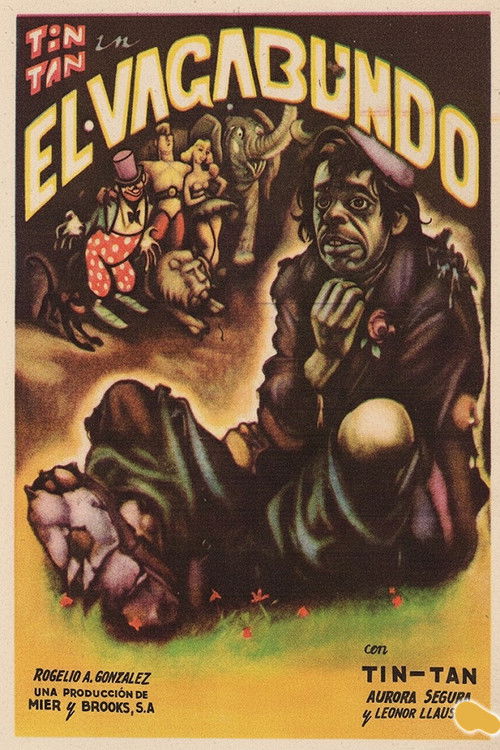
El vagabundo is a quintessential product of the Golden Age of Mexican cinema, prioritizing regional authenticity over social disruption. While it succeeds in centering Mexican identity and local settings, it remains tied to the conservative social norms of 1953. The film's strength lies in its cultural grounding, providing a sense of place and identity that avoids the era's trend of Hollywood-style whitewashing. However, this authenticity is paired with a narrative structure that reinforces traditional hierarchies. Ultimately, the film serves as a restorative comedy. By moving the protagonist from social displacement to integration within a structured environment, it upholds the established social order rather than challenging it through multi-layered or subversive storytelling.
Category Breakdown
The film does not include any LGBTQ+ characters or explore non-straight identities. It strictly follows the assumption that everyone is straight or cisgender, which was common in 1950s cinema.
Female characters mainly fit into traditional comedic roles of the time. The film uses conventional gender dynamics and does not challenge the social hierarchies of the mid-20th century.
The movie focuses on a Mexican identity and local urban settings, avoiding the whitewashing seen in many Hollywood films of the period. It offers authentic cultural representation for its specific era.
The story centers on the 'pícaro' archetype through a lens of harmless slapstick humor. The narrative follows a traditional moral arc that favors social integration over systemic critique.
There is no significant portrayal of characters with visible or invisible disabilities. The narrative focus remains on socioeconomic status rather than neurodivergent or physical disability.
Present on Screen
Limited or Absent
Official Synopsis
Homeless/unemployed dude has a spiritual awakening and rehabilitates himself working at a circus.
1955

2011
1956
1962
1969
1982
1996
1948
No reviews yet. Be the first to share your thoughts on this movie!
Use the rating form above to leave a star rating and optional review.