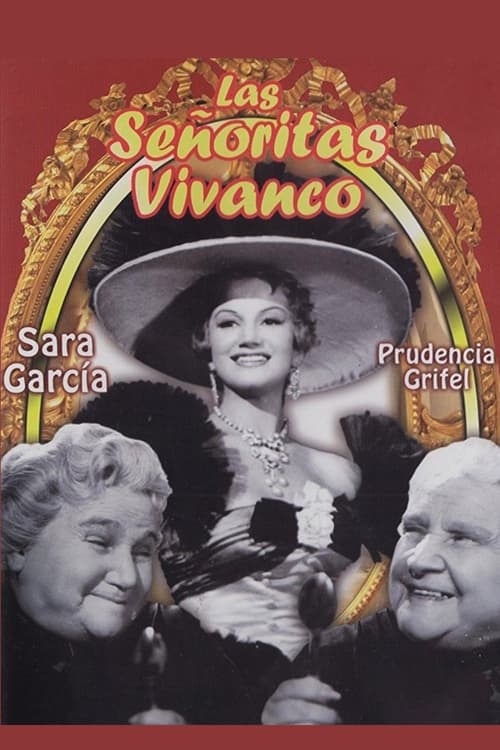
The Vivanco Ladies
1959
No user ratings available yet
Representation score: 3.3 out of 10
Representation Score
Limited
1960
Director
Alejandro Galindo
Runtime
85 minutes
Average Rating
No ratings yetNew Showbiz Analysis
Alejandro Galindo’s comedy functions as a reflection of its era's social and moral consensus. The film prioritizes domestic character studies and traditional comedic clichés over narrative disruption or the deconstruction of social hierarchies. The representation is largely limited to the demographic realities of 1960s Mexican cinema. While the film avoids globalized hegemony, it remains within a conventional framework that reinforces existing social structures rather than challenging them. Ultimately, the work explores themes of vanity and redemption through a lens of mid-century respectability. It relies on established archetypes, such as the innocent child, to drive character development within a traditionalist storytelling style.
Category Breakdown
The film lacks LGBTQ+ characters or narratives. It focuses on conventional domestic and social structures typical of the 1960s without challenging assumptions about straight relationships.
The plot centers on a male protagonist and his social interactions. A young girl provides moral rehabilitation, but she functions as a traditional cliché of feminine innocence.
The cast reflects a localized, largely homogeneous Mexican demographic. While it avoids whitewashing, it does not use diverse casting to disrupt social norms.
The story reinforces mid-century values regarding respectability and class. It seeks to resolve social friction through individual moral realignment rather than institutional critique.
The protagonist's hair loss is used as a comedic device for farce. It serves as a source of humor regarding vanity rather than a nuanced exploration of physical difference.
Present on Screen
Limited or Absent
Official Synopsis
Some unlucky accidents cause an innocent person to be convicted to jail time, and on release he can only find gainful employ in a criminal gang... but a little girl in a house he breaks into rehabilitates him with her innocence and simplicity. And stuff.
1959
1955
1967

1966

1943
1938
1965

1951
No reviews yet. Be the first to share your thoughts on this movie!
Use the rating form above to leave a star rating and optional review.