
My Name Is Tonho
1969
No user ratings available yet
Representation score: 3.7 out of 10
Representation Score
Limited
1961
Director
Benito Alazraki
Runtime
87 minutes
Average Rating
No ratings yetNew Showbiz Analysis
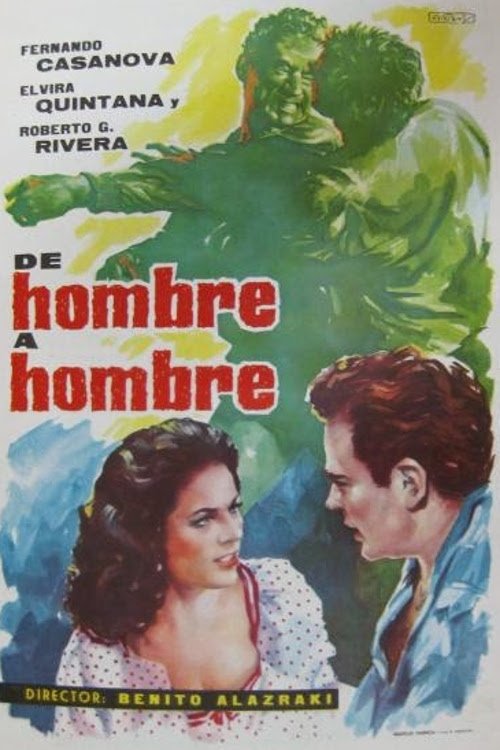
De hombre a hombre is a mid-century Mexican character study that operates within the social constraints of its time. While it provides a regional alternative to the Hollywood Western, its narrative structure remains deeply traditional. The film's focus on a monastic upbringing highlights the tension between religious discipline and individual personality. This focus results in a narrow demographic scope, primarily centering on male characters and institutional religious life. Ultimately, the work functions as a period piece reflecting the social norms of 1961. It prioritizes character-driven drama over the systematic deconstruction of identity-based hierarchies.
Category Breakdown
The film does not show any non-assuming gender matches what was assigned at birth identities or same-sex relationships. The convent setting suggests a traditional, straight-focused religious environment.
The story mainly focuses on the male experiences of monks and the boy, Antonio. While the protagonist's humor challenges stoic masculinity, the narrative remains largely patriarchal.
As a Mexican production, the film offers a non-Anglo-Saxon perspective that differs from Hollywood Westerns. However, it lacks diverse casting that includes multiple ethnicities or overlapping identities.
The narrative explores the conflict between institutional religion and personal temperament. It centers on traditional upbringing rather than critiquing Western or secular institutions.
There are no characters with visible or invisible disabilities mentioned. No assessment of their roles or representation is possible.
Present on Screen
Limited or Absent
Official Synopsis
Three monks raise the boy Antonio, who was abandoned at the convent door. The monks are criticized for the way they have educated Antonio, who ends up being a joker.
1969
1971
1962
1957
1995
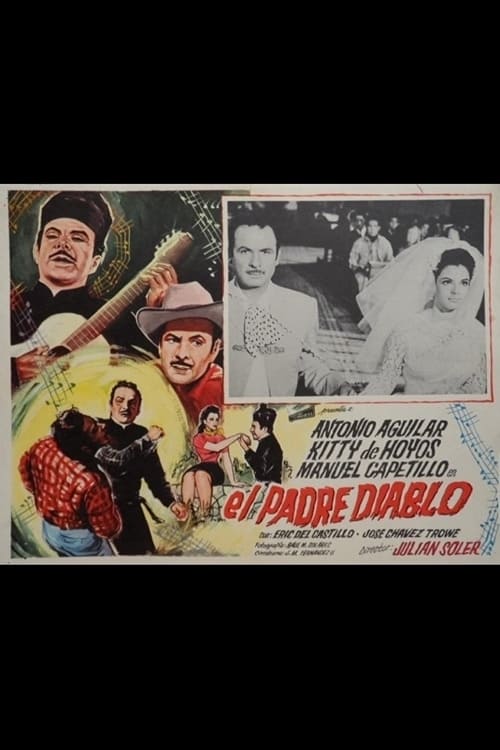
1965
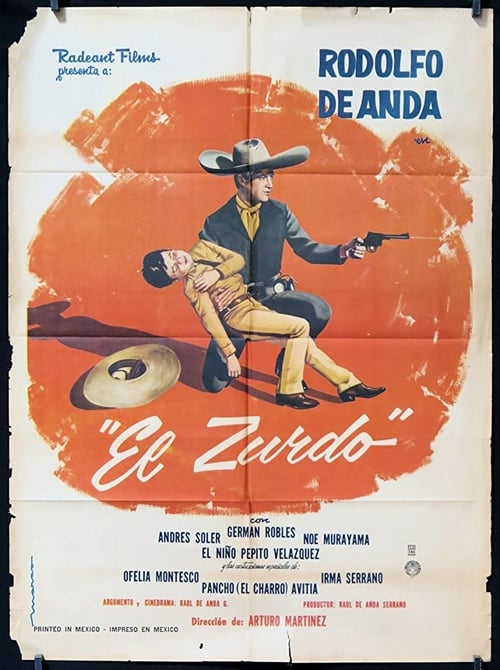
1965
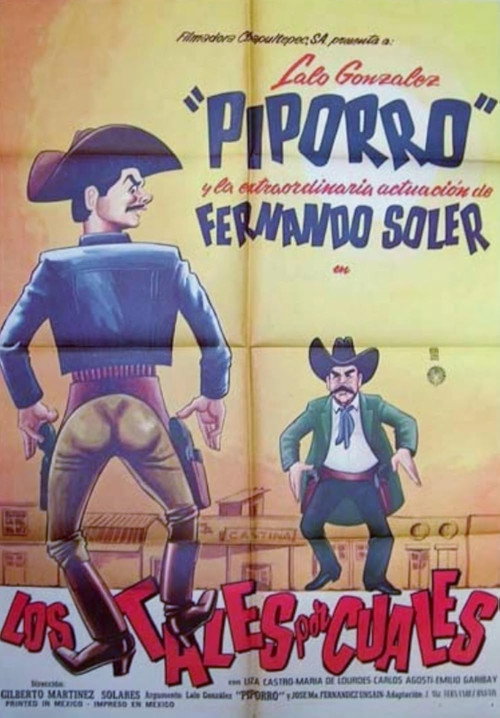
1965
No reviews yet. Be the first to share your thoughts on this movie!
Use the rating form above to leave a star rating and optional review.