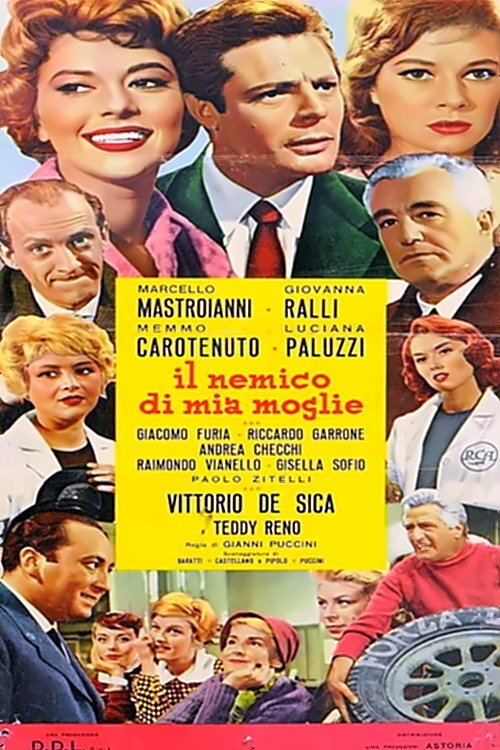
Il nemico di mia moglie
1959
No user ratings available yet
Diversity score: 3.0 out of 10
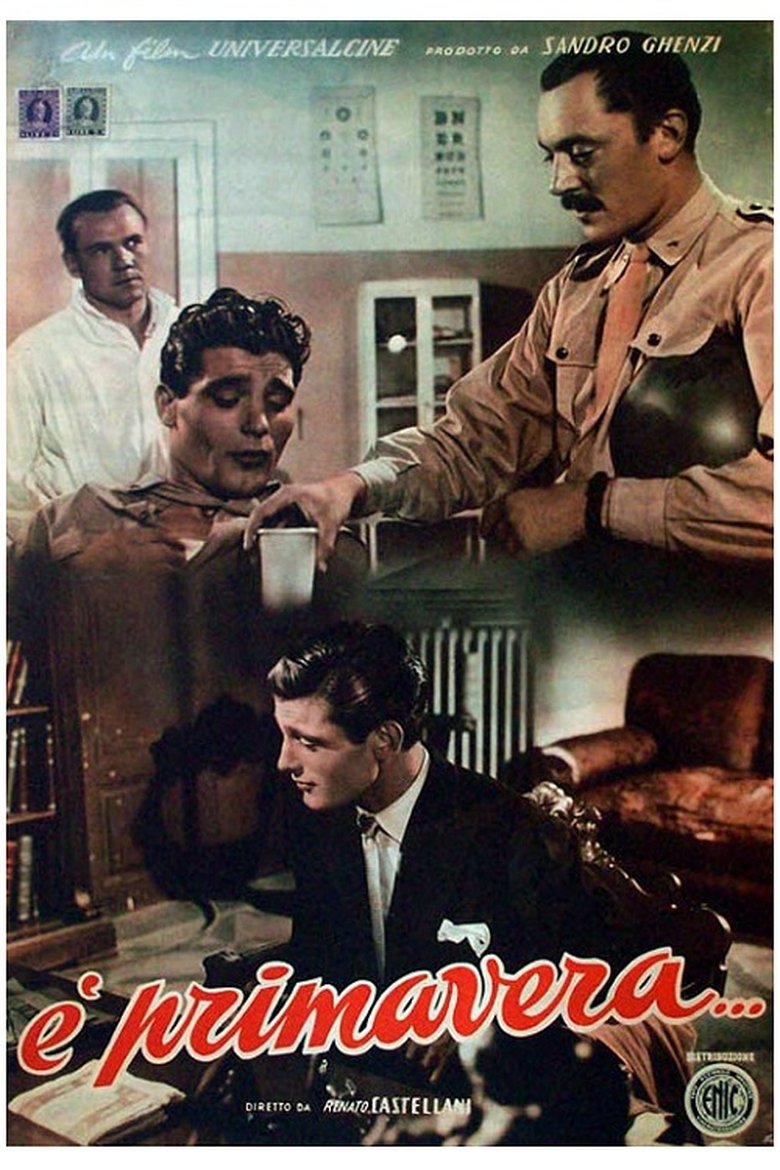
1950
Director
Renato Castellani
Runtime
92 minutes
Average Rating
No ratings yetSynopsis
The second of Castellani's trilogy dealing with the less-than-smooth course of young love in postwar Italy (it was filmed just after Sotto il sole di Roma and just before Two Cents Worth of Hope). Leading man Mario Angelotti, loving not wisely but too well, quickly discovers that the penalty for bigamy is two wives. Between his tempestuous Sicilian bride, played by Elena Varzi and his sedate Milanese missus (Irene Gemma), the poor man barely has time to take a breath.
Overall Score
Limited
Category Breakdown
LGBTQ+ Representation
The film adheres to the heteronormative structures of 1950s Italy. There is no presence of same-sex intimacy or non-cisnormative identities within the romantic framework.
Gender Representation
Female characters drive the central conflict through contrasting archetypes, such as the tempestuous Sicilian and sedate Milanese. However, they primarily serve as romantic foils to the male protagonist.
Racial & Ethnic Diversity
The cast reflects a homogeneous Italian demographic typical of postwar Rome. While it highlights regional distinctions, it lacks broader racial or ethnic intersectionality.
Religious & Cultural Diversity
This social comedy focuses on the chaos of youthful romance rather than religious moralizing. It portrays middle-class entanglements within the standard social strata of the period.
Disability Representation
There is no evidence of characters with visible or invisible disabilities being utilized as central plot devices or portrayed with specific agency.
Strengths
Areas for Improvement
AI Analysis
The film is a period-specific romantic comedy that mirrors the social conventions of mid-century Italy. It succeeds in exploring regional identities, specifically through the cultural tension between Sicilian and Milanese archetypes. However, the narrative remains deeply traditional. The plot centers on a male protagonist's struggle to manage two wives, which reinforces existing gender hierarchies rather than subverting them. The lack of intersectional or non-heteronormative representation keeps the scope narrow. Ultimately, the work functions as a nuanced look at domestic complexities and regionalism, but it does not challenge the broader social or identity-based status quo of its era.
1959
1955

2011
1951

1978
1968
1981
1969
1961
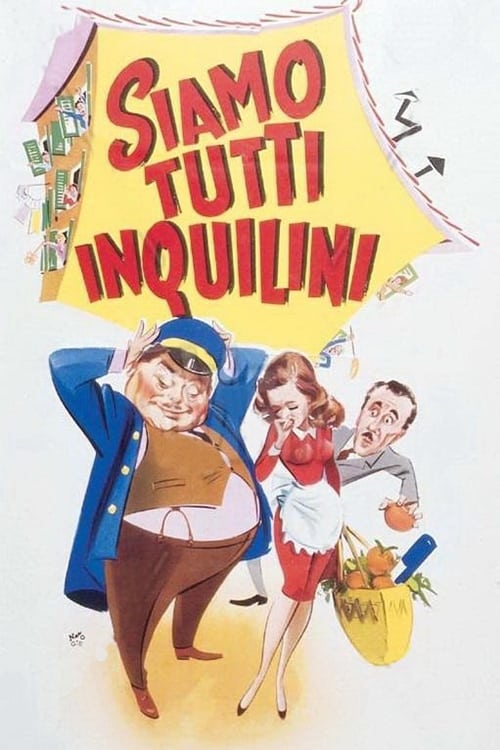
1953
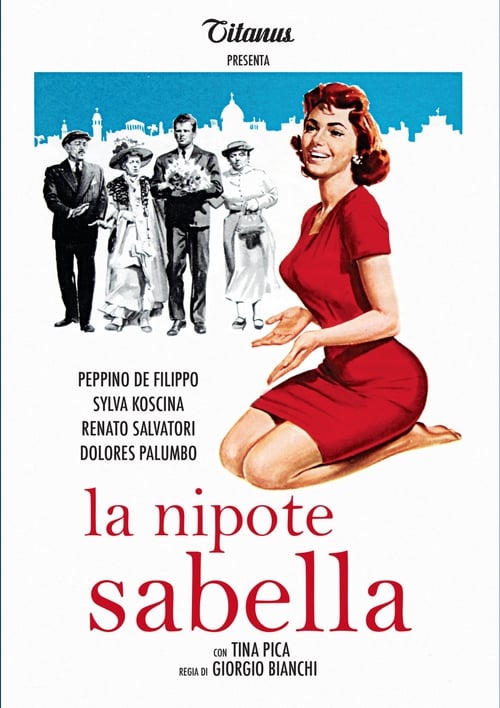
1958
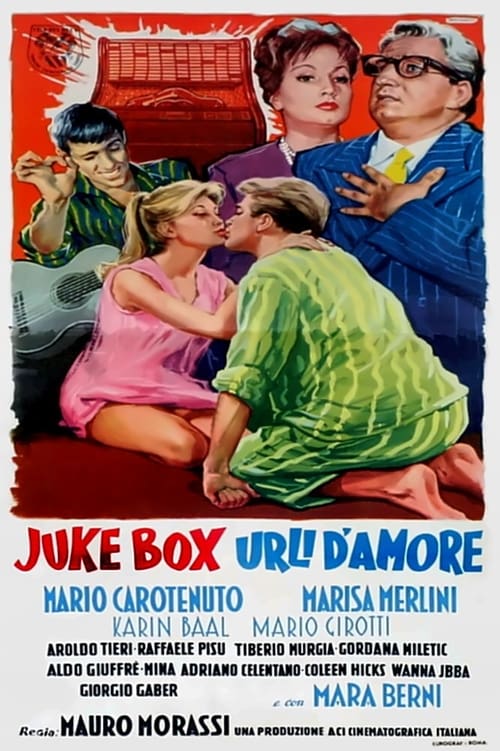
1959
No reviews yet. Be the first to share your thoughts on this movie!
Use the rating form above to leave a star rating and optional review.