Candy Mountain
1988
No user ratings available yet
Diversity score: 3.9 out of 10
1984
PG-13Director
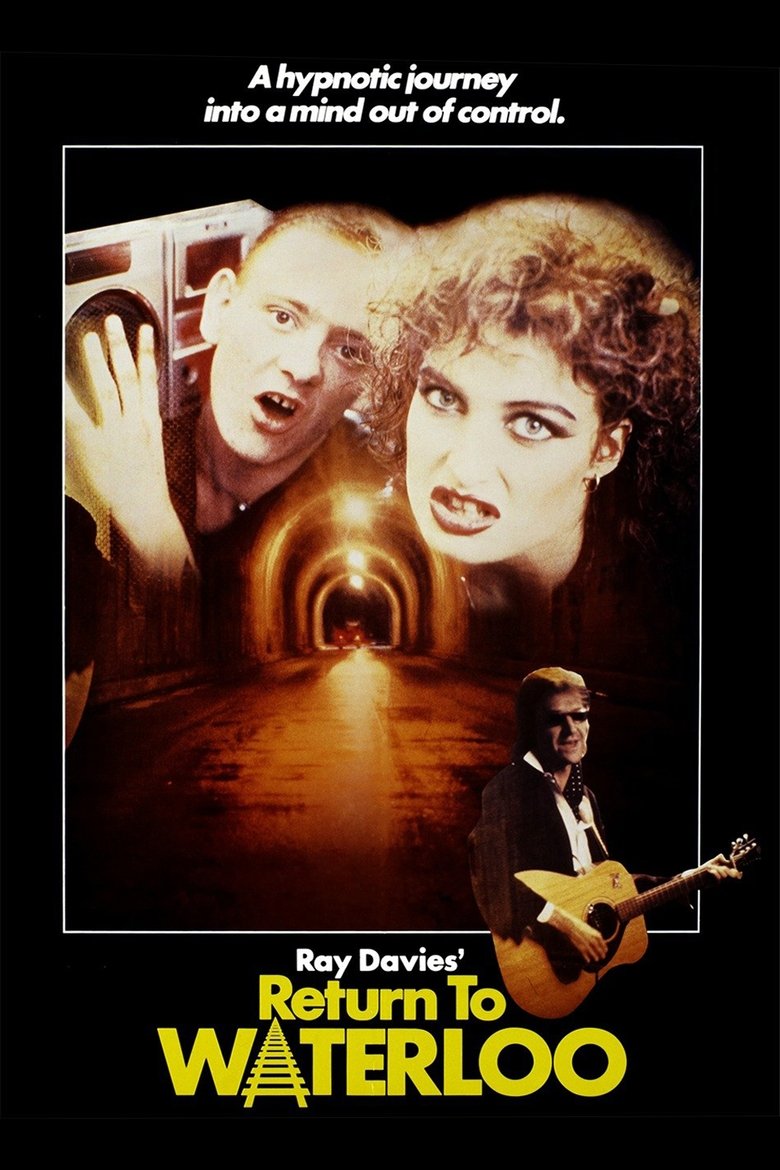
Ray Davies
Runtime
60 minutes
Average Rating
No ratings yetSynopsis
A man taking the train to work one morning is overcome by melancholy memories and morbid fantasies.
Overall Score
Fair
Category Breakdown
LGBTQ+ Representation
The film lacks explicit depictions of queer identity or intimacy. However, its focus on subjective, fluid psychological experiences suggests a departure from traditional heteronormative narrative trajectories.
Gender Representation
The story centers on a male protagonist's internal struggle. By prioritizing melancholy over traditional masculine stoicism, the film deconstructs conventional archetypes of male stability and competence.
Racial & Ethnic Diversity
The narrative reflects the demographic homogeneity common in mid-80s British commuter dramas. There is little evidence of intersectional casting or racial blending within this localized setting.
Religious & Cultural Diversity
The film critiques the monotony of Western industrial structures through the protagonist's internal experience. It favors subjective truth over the external social duties of routine capitalism.
Disability Representation
While physical disability is not mentioned, the emphasis on morbid fantasies suggests a focus on mental health. It remains unclear if neurodivergence is treated with full agency.
Strengths
Areas for Improvement
AI Analysis
Return to Waterloo is a character study that prioritizes psychological interiority over broad demographic representation. The narrative follows a commuter's journey, using his internal melancholy to critique the rigid structures of urban labor and daily routine. While the film lacks significant intersectional breadth regarding race and gender, it succeeds in disrupting the 'stable professional' trope. It replaces traditional social realism with a fragmented, darker exploration of the individual's psyche. Ultimately, the film's value lies in its thematic depth rather than its casting diversity, offering a postmodern look at the human condition through a lens of subjective, often morbid, experience.
1988
2007

2020

1980
1945

1968
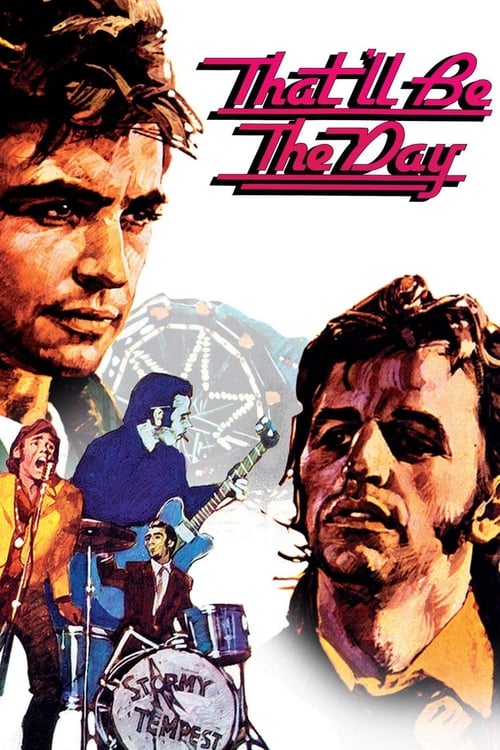
1973
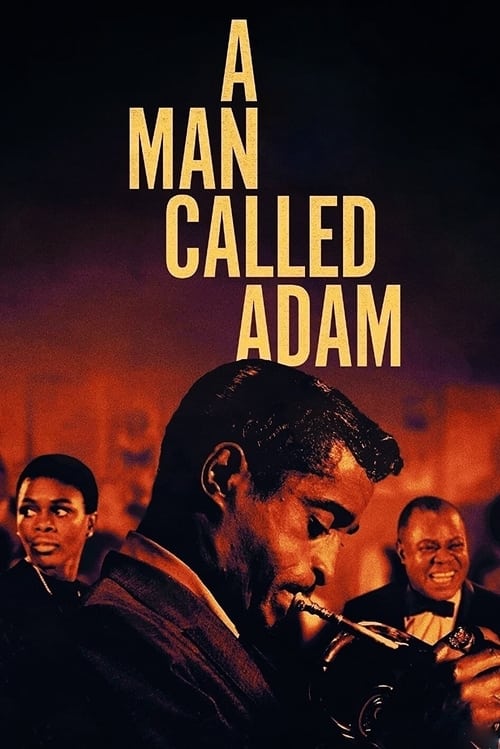
1966
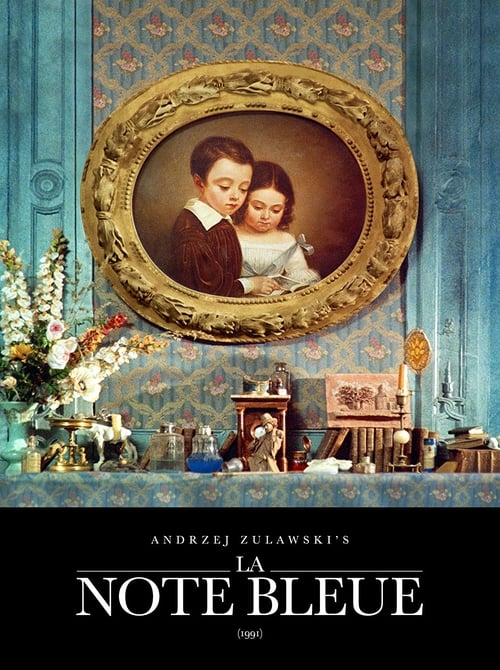
1991

2018
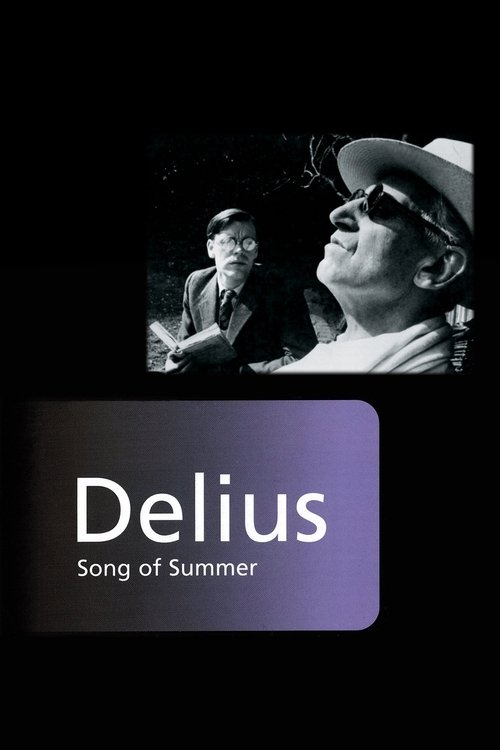
1968
1981
No reviews yet. Be the first to share your thoughts on this movie!
Use the rating form above to leave a star rating and optional review.