Maytime
1937
No user ratings available yet
Representation score: 2.1 out of 10
Representation Score
Fair
1944
NRDirector
Mitchell Leisen
Runtime
100 minutes
Average Rating
No ratings yetNew Showbiz Analysis
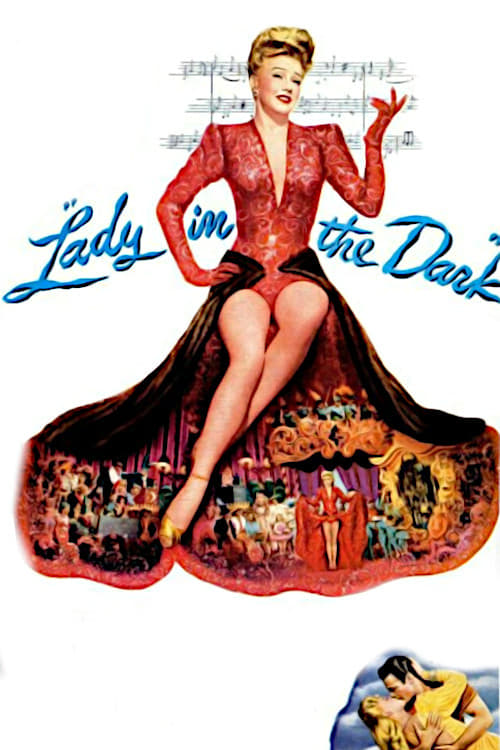
Lady in the Dark stands out for its emphasis on female intellectual ability to act. By centering a professional woman's psychological journey, it challenges the mid-century trend of prioritizing domesticity or romantic interest. However, the film is constrained by the era's social standards. It lacks racial diversity and offers no representation of LGBTQ+ identities, staying within the homogeneous studio system of the 1940s. Ultimately, the film's strength lies in its nuanced portrayal of mental health and the female psyche, despite its cultural limitations.
Category Breakdown
The film focuses on heterosexual relationships and does not include any representations of same-sex intimacy or non-cisgender identities.
Liza Elliott is portrayed as a capable professional whose intellect and independence drive the plot. The film emphasizes her cognitive abilities over traditional domestic or caregiving roles.
The cast is primarily homogeneous, reflecting the lack of diverse representation typical of 1940s cinema. There is no significant racial diversity present.
The story unfolds within an upper-middle-class Western context. It explores secularism and subjective morality through the emerging field of psychoanalysis.
The film addresses mental health as a complex part of character identity without resorting to mockery. A dream ballet sequence allows the main character to navigate psychological challenges.
Present on Screen
Limited or Absent
Official Synopsis
A neurotic editor sees a psychoanalyst about the advertising man, movie star and other man in her life.
1937
1952
1955
1951

1948

1953
1953
1945
No reviews yet. Be the first to share your thoughts on this movie!
Use the rating form above to leave a star rating and optional review.