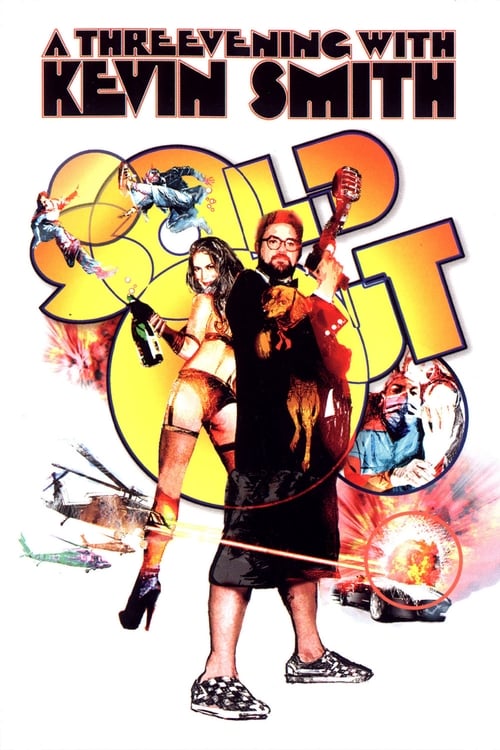
Sold Out: A Threevening with Kevin Smith
2008
No user ratings available yet
Representation score: 3.5 out of 10
Representation Score
Limited
2006
Director
Zak Knutson, Joey Figueroa
Runtime
90 minutes
Average Rating
No ratings yetNew Showbiz Analysis
As a 'making-of' documentary, this film functions as a historical record rather than a narrative vehicle for social change. It captures the creative friction of a specific production moment, meaning its diversity is largely a reflection of the existing crew and the subject matter's inherent themes. The work lacks intentional narrative structure to promote progressive representation. Instead, it observes the social dynamics and irreverent spirit of the Clerks franchise, which often critiques traditional institutions through a comedic lens. Ultimately, the documentary's diversity is limited by its observational nature. It mirrors the industry standards and demographic realities of the mid-2000s independent film scene rather than actively deconstructing them.
Category Breakdown
The documentary captures the candid, irreverent dialogue of the cast and crew. While it doesn't focus specifically on queer identities, it reflects the social dynamics and queer-coded dialogue present within the Clerks franchise.
The film explores a professional film set environment typical of mid-2000s independent cinema. It reflects traditional industry gender hierarchies without highlighting female intellect or challenging masculine leadership.
Representation aligns with the demographic realities of the specific production crew and cast. There is no evidence of casting actors from diverse backgrounds to disrupt traditional Western casting patterns.
The film engages with themes of secularism and the critique of traditional social structures. It captures the anti-authoritarian and irreverent tone inherent to the Clerks franchise's comedic lens.
The documentary captures real-world individuals during production. However, there is no specific evidence regarding the inclusion of subjects with visible or invisible disabilities portrayed with significant roles.
Present on Screen
Limited or Absent
Official Synopsis
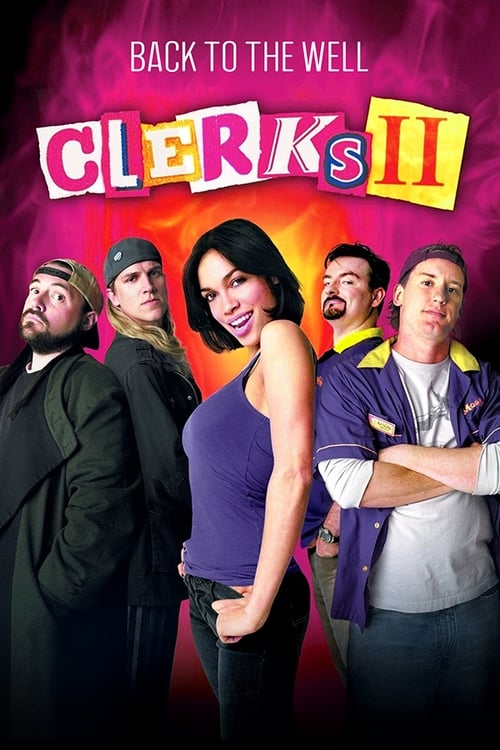
Feature-length documentary about the making of Clerks II.
2008
2009

2006
2004

2012
2012
2002
2005
No reviews yet. Be the first to share your thoughts on this movie!
Use the rating form above to leave a star rating and optional review.