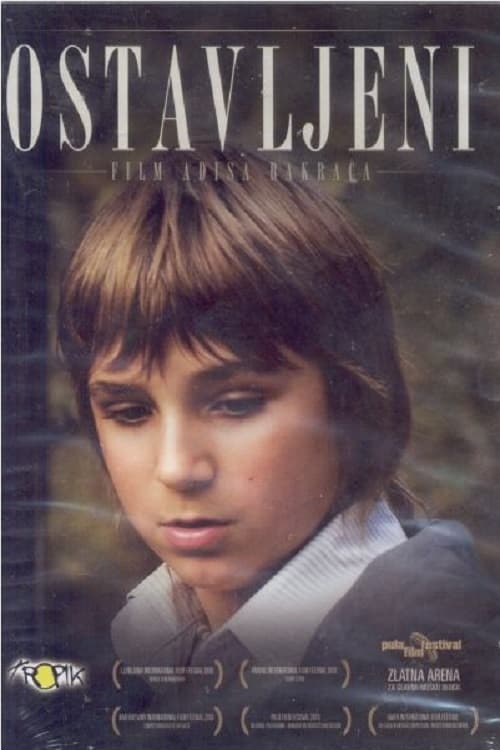
The Abandoned
2010
No user ratings available yet
Diversity score: 5.7 out of 10
No Poster Available
2008
TV-PGDirector
Ismail Sahin
Runtime
16 minutes
Average Rating
No ratings yetSynopsis
At the age of one, Hakim is found at the side of his dead mother by an old man who sends him to a children's village for AIDS orphans.
Overall Score
Fair
Category Breakdown
LGBTQ+ Representation
The film centers on a community affected by the HIV/AIDS crisis. However, it lacks explicit depictions of same-sex intimacy or non-cisnormative identities.
Gender Representation
A maternal figure's death initiates the plot, but the film offers little detail on gendered power dynamics. There is no clear evidence of subverting traditional hierarchies.
Racial & Ethnic Diversity
The story provides a non-Western perspective by focusing on an orphan in a specific social context. This disrupts conventional, Western-centric dramatic tropes.
Religious & Cultural Diversity
The narrative prioritizes communal care and collective survival over Western ideals of the nuclear family. It critiques systemic failures through the lens of a health crisis.
Disability Representation
The film engages with chronic health conditions and the physical vulnerabilities caused by the AIDS epidemic. It is unclear if characters possess full agency or serve as symbols.
Strengths
Areas for Improvement
AI Analysis
Hakim explores themes of systemic vulnerability and communal resilience through the lens of a global health crisis. By centering on an orphan in a specialized village, the film moves away from traditional Western-centric narratives and individualist meritocracy. While the film engages with marginalized populations, it lacks explicit evidence of overt identity-based subversion. The focus remains largely on the medical and social consequences of an epidemic rather than specific identity politics. Ultimately, the film provides a nuanced framework by highlighting collective survival and the disruption of traditional family structures, even if specific character agency remains unconfirmed.
2010
2012

2015

2008
2011
2012

2016
2012
2014

2012
2011
2009
No reviews yet. Be the first to share your thoughts on this movie!
Use the rating form above to leave a star rating and optional review.