The Abandoned
2010
No user ratings available yet
Representation score: 7.7 out of 10
Representation Score
Good
2012
Director
Menelaos Karamaghiolis
Runtime
142 minutes
Average Rating
No ratings yetNew Showbiz Analysis
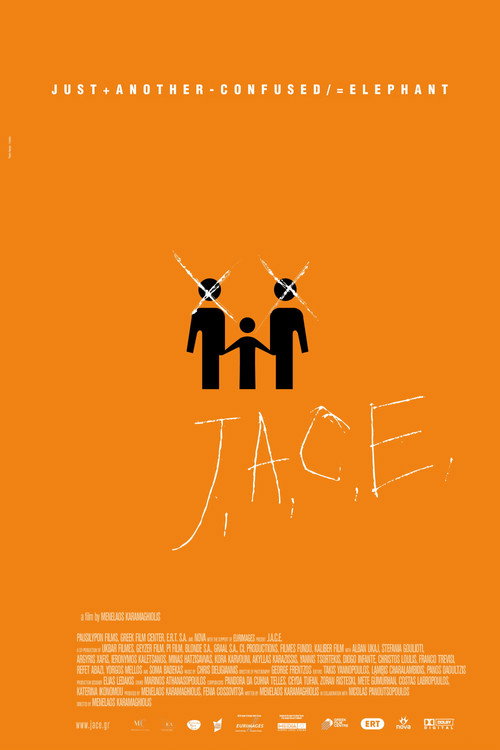
J.A.C.E. is a somber exploration of systemic failure and the fragility of human connection. The film disrupts Western-centric storytelling by focusing on the displacement and exploitation of a non-Anglo-Saxon minority within a Mediterranean context. However, it lacks explicit LGBTQ+ representation and does not provide clear examples of gender subversion. The narrative focuses heavily on a male-centric struggle against predatory power structures. Ultimately, the film's strength lies in its deconstruction of institutional reliability, prioritizing the perspective of the systemic victim, and offering a nuanced look at identity and survival amidst geopolitical and criminal forces.
Category Breakdown
The film focuses on survival and trauma within a violent underworld. It does not include explicit LGBTQ+ representation or queer-coded narratives.
The story centers on a male protagonist navigating violence and organized crime. It does not explicitly detail women's roles or subvert traditional gender hierarchies.
The narrative provides meaningful representation of the migrant experience by centering an Albanian protagonist of Greek origin. It highlights the intersection of ethnicity and statelessness.
The film critiques traditional institutions by portraying foster families and state-adjacent systems as predatory. It challenges the sanctity of Western social structures through the protagonist's journey.
While no physical disabilities are mentioned, the protagonist's extreme psychological trauma suggests an exploration of invisible mental health conditions. His silent search implies profound psychological wounding.
Present on Screen
Limited or Absent
Official Synopsis
Twice-orphaned Jace, a seven-year-old Albanian of Greek origin, witnesses a massacre that wipes out his entire foster family in Argyrokastron, and then falls in the hands of a bunch of ruthless gangsters who "export" children abroad for various profitable reasons (ranging from beggary to organ trade). Jace ends up in Athens, Greece, begging at street corners, exploring the secret horrors of brutal institutions for young offenders or, much later, serving obscure patrons, in an underworld where violent loss seems to be his only destiny. The movie follows Jace's inverted Odyssey in a dark universe of abuse, murder and fear, as he desperately (and silently) seeks for a "family" of his own or, at least, for a sense of belonging
2010
2017
1987

1988
2008

2015
2008
2016
No reviews yet. Be the first to share your thoughts on this movie!
Use the rating form above to leave a star rating and optional review.