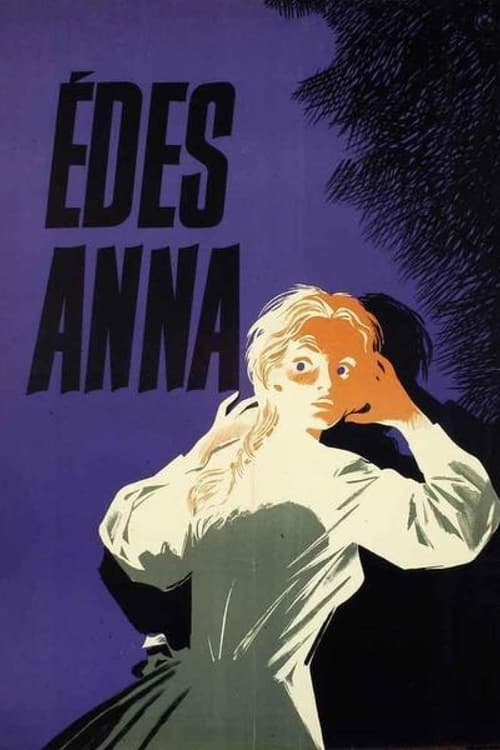
Sweet Anna
1958
No user ratings available yet
Representation score: 3.0 out of 10
Representation Score
Limited
1940
Director
František Čáp
Runtime
91 minutes
Average Rating
No ratings yetNew Showbiz Analysis
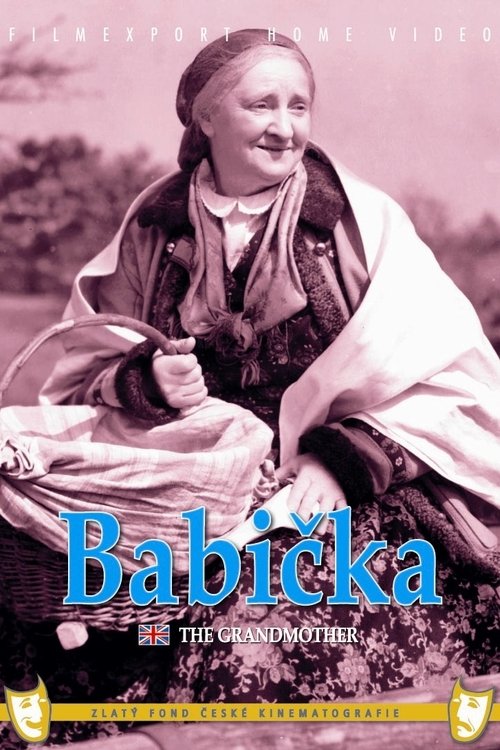
Grandmother (1940) is a romanticized period drama centered on the moral authority of a working-class matriarch. While it lacks modern multi-layered diversity, it offers a meaningful subversion of class and gender hierarchies by elevating a female protagonist over aristocratic structures. The film’s focus is deeply rooted in its 19th-century Czech setting, resulting in a lack of LGBTQ+ and racial diversity. However, the narrative finds strength in its critique of social status, valuing character and simplicity over inherited power. Ultimately, the film is a study of moral philosophy through a traditional lens, providing a strong female lead within a historically narrow context.
Category Breakdown
The film follows traditional family and romantic structures typical of its time. There is no depiction of non-straight or non-cisgender identities, nor any narratives that question the assumption that everyone is straight or cisgender.
A female protagonist serves as the story's emotional and moral center. Her intellectual influence challenges traditional hierarchies by placing her wisdom ahead of male-dominated noble structures.
Set in 19th-century Czech lands, the film reflects the homogeneous demographics of its period. It operates within a Eurocentric framework without diverse racial representation.
The narrative criticizes social stratification by showing working-class simplicity as a source of virtue. It contrasts moral integrity with the superficiality of the nobility.
There is no depiction of characters with visible or invisible disabilities driving the plot or being integrated into the narrative.
Present on Screen
Limited or Absent
Official Synopsis
A highly romanticized autobiographical novel by a Czech 19th century writer, Bozena Nemcova. It's a classical, compulsory reading in Czech schools, about a wise, working-class woman, happier in her simplicity and good heart than the nobles whom she serves.
1958
1985
1938
1992
1937

2011

1938

1956
No reviews yet. Be the first to share your thoughts on this movie!
Use the rating form above to leave a star rating and optional review.