
Into the World
2020
No user ratings available yet
Diversity score: 6.1 out of 10
2014
Director
Iberê Carvalho
Runtime
98 minutes
Average Rating
No ratings yetSynopsis
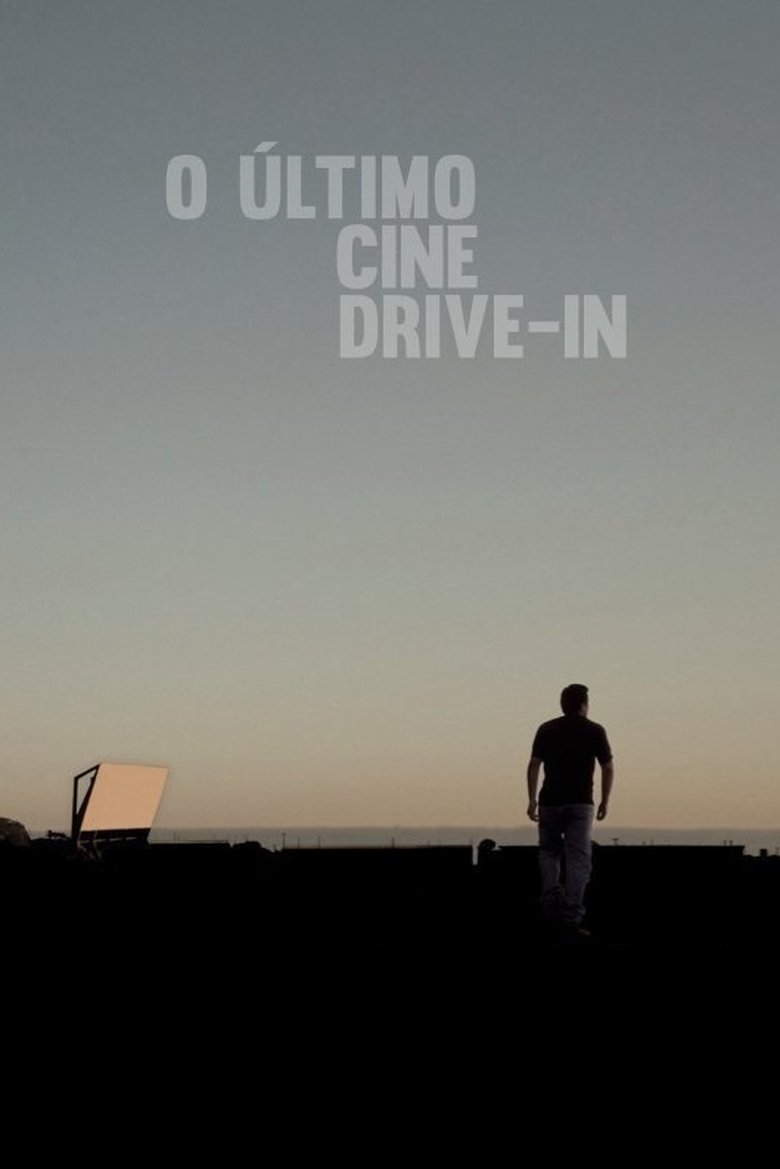
When returning to his hometown with his ill mother, Marlombrando meets again his father and the Drive-in cinema where he spent his childhood. Almeida keeps the cinema functioning with the assistance of only two employees: Paula, who takes care of the projection and the snack bar; Jose, an old friend of Almeida, who helps selling tickets at the cashier and cleaning up the place. The arrival of Marlombrando and the demolition threatening of the Drive-in will bring new directions to their lives.
Overall Score
Fair
Category Breakdown
LGBTQ+ Representation
The film maintains a neutral stance regarding queer identities. While the intimate ensemble setting allows for nuanced relationships, no explicit non-heteronormative themes are present.
Gender Representation
Paula serves as a central figure, managing both technical projection and snack bar operations. This placement challenges traditional gendered labor divisions within the cinema's survival.
Racial & Ethnic Diversity
The narrative centers on Brazilian identities through characters like Marlombrando and Almeida. It prioritizes local, non-Anglo-Saxon perspectives over a globalized or Western-centric lens.
Religious & Cultural Diversity
The story explores the tension between traditional community hubs and modern development. It highlights the struggle to preserve localized heritage against the pressures of capitalist expansion.
Disability Representation
There is no evidence of characters navigating physical or neurodivergent conditions. The current narrative focus remains on familial and communal dynamics.
Strengths
Areas for Improvement
AI Analysis
The film functions as a study of localized resilience, focusing on a small workforce facing systemic displacement. It avoids high-stakes commercial tropes to prioritize interpersonal dynamics and the preservation of identity. While the film succeeds in centering a specific Brazilian cultural context, it lacks explicit representation in several key areas. The narrative's strength lies in its critique of modern urban development and its focus on community preservation. Ultimately, the work offers a grounded look at how traditional institutions fight to survive, though it remains neutral on many broader social identity markers.
2020
2015
2020
2020

2010
2014

2020
2019

2011
2014
2016

2003
No reviews yet. Be the first to share your thoughts on this movie!
Use the rating form above to leave a star rating and optional review.