Beautiful New Bay Area Project
2013
No user ratings available yet
Diversity score: 5.7 out of 10
2022
Director
Daishi Matsunaga
Runtime
88 minutes
Average Rating
No ratings yetSynopsis
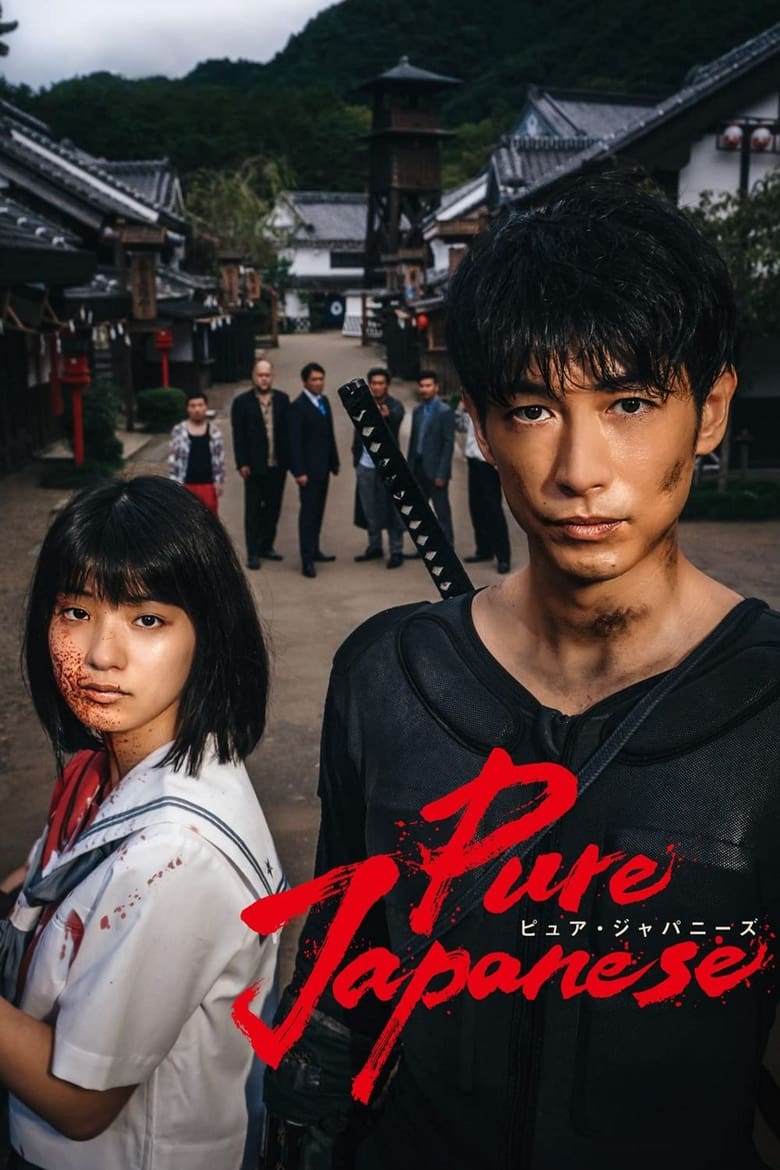
Action actor Tateishi Daisuke who struggles with loneliness after suffering a traumatic experience due to an accident during filming. One day, he comes across a senior high school girl Ayumi who is being harassed consistently by Chinese brokers and the local yakuza. He decides to protect her from them. However, after this incident, he comes to develop a mindset of seeing violence as a way to gain the affirmation and approval of others thus gradually loses himself and behaves in an extreme manner.
Overall Score
Fair
Category Breakdown
LGBTQ+ Representation
The film lacks explicit evidence of LGBTQ+ identities or non-heteronormative dynamics. The narrative focuses on the protagonist's isolation and his connection to a female student, suggesting a traditional character pairing.
Gender Representation
The story deconstructs masculine archetypes by portraying the male lead as psychologically unstable rather than a competent leader. While the female character is a recipient of protection, the film subverts the invincible hero trope.
Racial & Ethnic Diversity
Conflict involving Chinese brokers and the Yakuza introduces ethnic tension and transnational criminal elements. This moves the film beyond a purely homogeneous depiction, though it may rely on established criminal archetypes.
Religious & Cultural Diversity
The narrative engages deeply with moral relativism and the breakdown of social cohesion. It explores how violence is used to seek social affirmation, challenging traditional moral hierarchies and societal norms.
Disability Representation
The protagonist's psychological fallout from a traumatic accident suggests an exploration of invisible disability and mental health. His trauma serves as a central driver for his descent into extreme behavior.
Strengths
Areas for Improvement
AI Analysis
Pure Japanese subverts the standard action genre by focusing on the psychological fragmentation of its protagonist. Rather than a traditional hero, Tateishi Daisuke is a man driven by loneliness and a desperate need for social validation through violence. The film succeeds in deconstructing masculine tropes and exploring complex social alienation. It moves away from simple morality, instead examining how trauma and the search for approval can lead to a total loss of self. However, the film's diversity is limited by its reliance on certain archetypes and a lack of explicit representation for queer identities. While it tackles mental health and ethnic tension, it remains largely centered on a traditional social framework.
2013

2021
1969
1995

2011
2006

2024

2019

1995

2013
2023

1968
No reviews yet. Be the first to share your thoughts on this movie!
Use the rating form above to leave a star rating and optional review.