
Bangkok Assassins
2011
No user ratings available yet
Representation score: 4.7 out of 10

Representation Score
Limited
2011
Not RatedDirector
Jean-Marc Minéo
Runtime
80 minutes
Average Rating
No ratings yetNew Showbiz Analysis
Bangkok Revenge is a conventional action film that prioritizes genre clichés over progressive narrative structures. It adheres to traditional cinematic hierarchies, focusing on individualistic vengeance and masculine archetypes. The film lacks engagement with queer themes or diverse social perspectives. While the setting provides some geographic diversity, the perspective remains largely Western-centric. Ultimately, the work functions as a standard martial arts drama. It relies on traditional character archetypes rather than challenging systemic power dynamics or exploring complex identities.
Category Breakdown
The film does not include any LGBTQ+ characters or non-cisgender identities. It centers on a traditional masculine storyline.
The story is driven by a single male protagonist. Female characters play secondary roles, often serving as emotional catalysts for the male lead.
The setting in Thailand introduces some diversity through a Thai supporting cast. However, the story remains focused on a Western protagonist.
The film portrays the Thai criminal underworld but does not delve deeply into socio-political or cultural issues. It emphasizes personal revenge over systemic critique.
The protagonist's neurological condition is used primarily as a plot device to explain his stoicism. The portrayal relies on the 'damaged hero' cliché without much nuance.
Present on Screen
Limited or Absent
Official Synopsis
Manit witnessed the murder of his parents when he was just 10 years old. The killers shot him in the head, but he miraculously survived. However, the damage to his brain left him unable to experience regular human emotions. A martial arts master saved him and took him in. Twenty years later, Manit has become a master of martial arts himself. He returns to the scene of the crime, seeking justice.
2011
1978
1994
1995
1977

2023
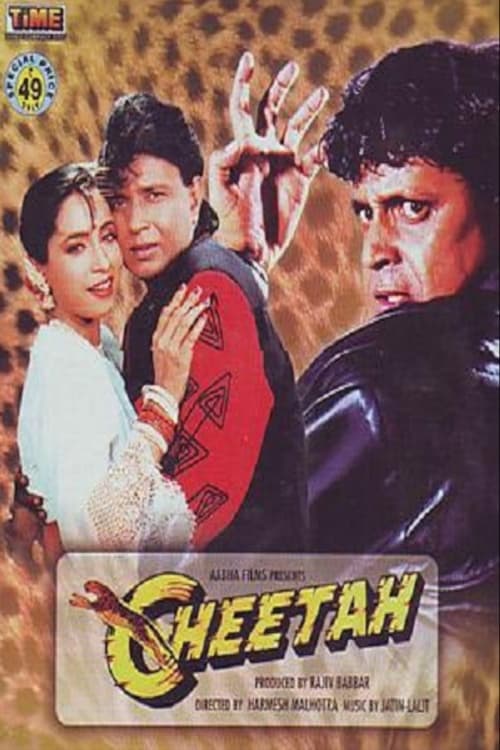
1994

2011
No reviews yet. Be the first to share your thoughts on this movie!
Use the rating form above to leave a star rating and optional review.