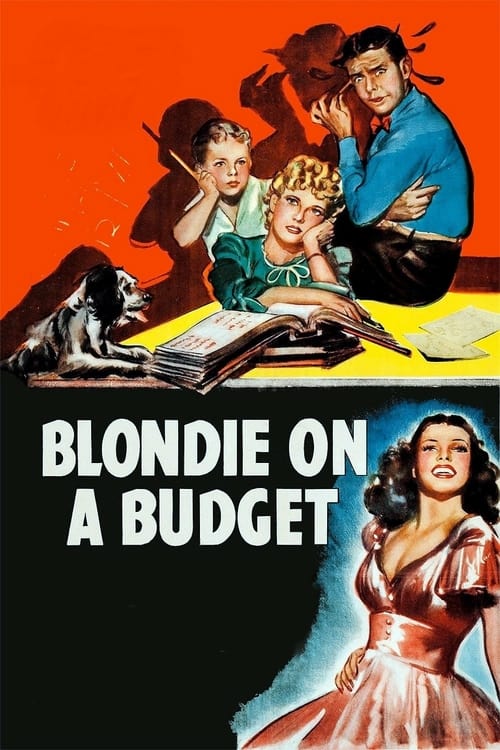
Blondie on a Budget
1940
No user ratings available yet
Diversity score: 2.4 out of 10

1941
NRDirector
Busby Berkeley
Runtime
72 minutes
Average Rating
No ratings yetSynopsis
A writer of pulp Westerns cranks out more words than his editor and publisher want to pay for.
Overall Score
Limited
Category Breakdown
LGBTQ+ Representation
The film lacks LGBTQ+ characters or narratives. It appears to follow standard romantic tropes of the 1940s, centering on conventional courtship.
Gender Representation
The story centers on a male protagonist navigating the publishing world. Female characters like Margie show limited agency, acting primarily out of economic necessity.
Racial & Ethnic Diversity
The narrative focuses on New York publishing circles and Western writers. There is no indication of a diverse or non-Anglo-Saxon cast.
Religious & Cultural Diversity
The film critiques predatory business practices and economic survival. However, it reinforces social stability rather than challenging systemic Western institutions.
Disability Representation
There is no evidence of characters with physical, sensory, or neurodivergent disabilities in this production.
Strengths
Areas for Improvement
AI Analysis
Blonde Inspiration is a product of the early 1940s studio system, reflecting the homogeneous social structures of its time. The narrative focuses on the professional struggles of a writer and the ethics of a predatory publisher. While the film offers a critique of capitalist exploitation, it does so through a narrow lens. The characters and settings adhere to the traditional social hierarchies and standard romantic tropes expected of MGM comedies in 1941. Ultimately, the film prioritizes individual professional ethics and comedic chaos over any meaningful exploration of intersectional identity or systemic power dynamics.
1940
1951
1947
1947
1951
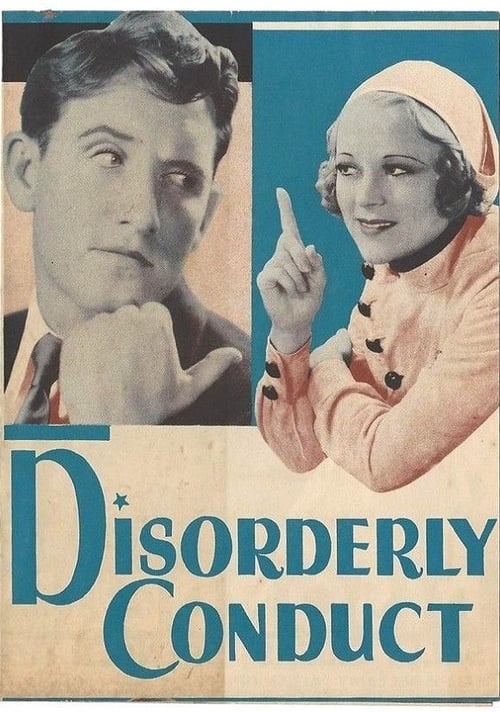
1932
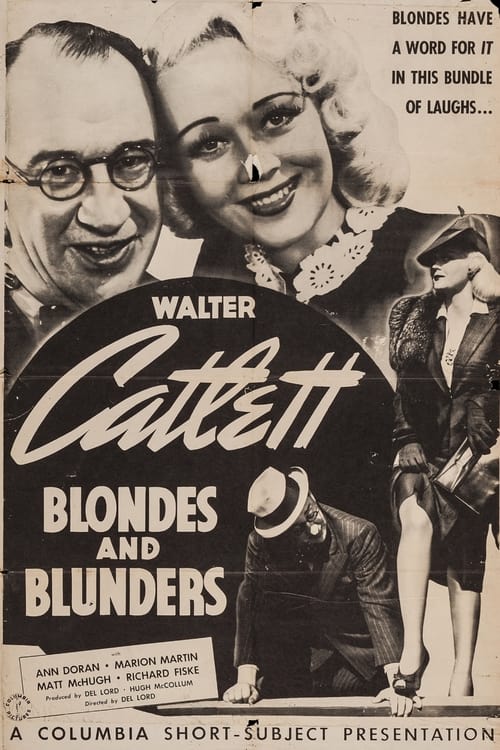
1940
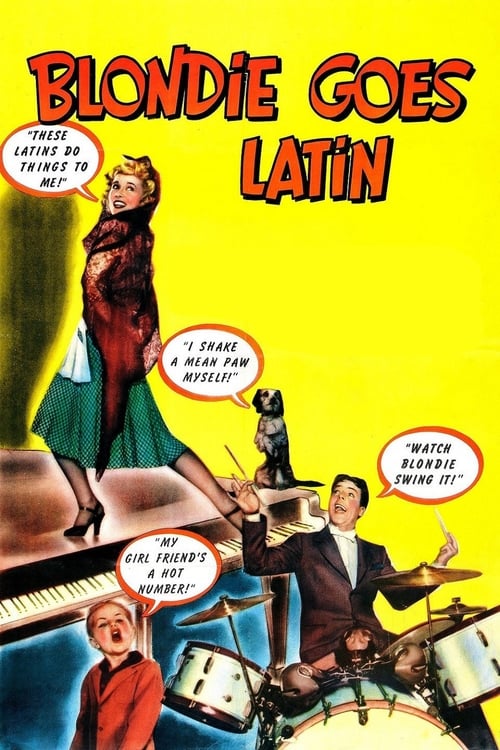
1941
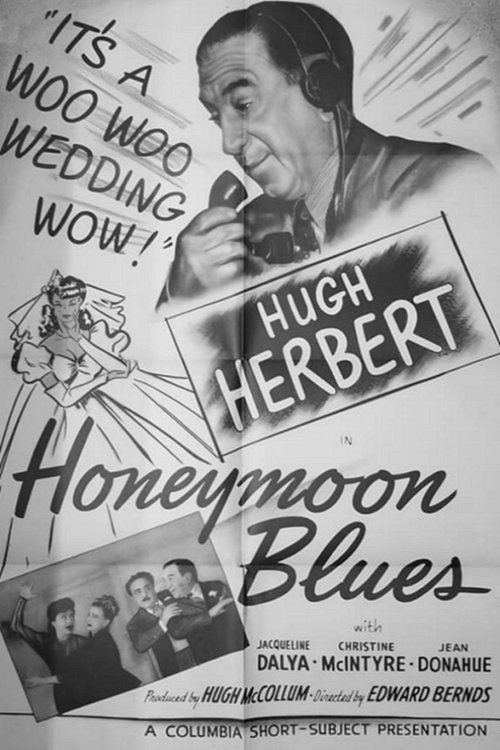
1946
1945
1940
1946
No reviews yet. Be the first to share your thoughts on this movie!
Use the rating form above to leave a star rating and optional review.