
A Horse Tale
2015
No user ratings available yet
Diversity score: 2.9 out of 10
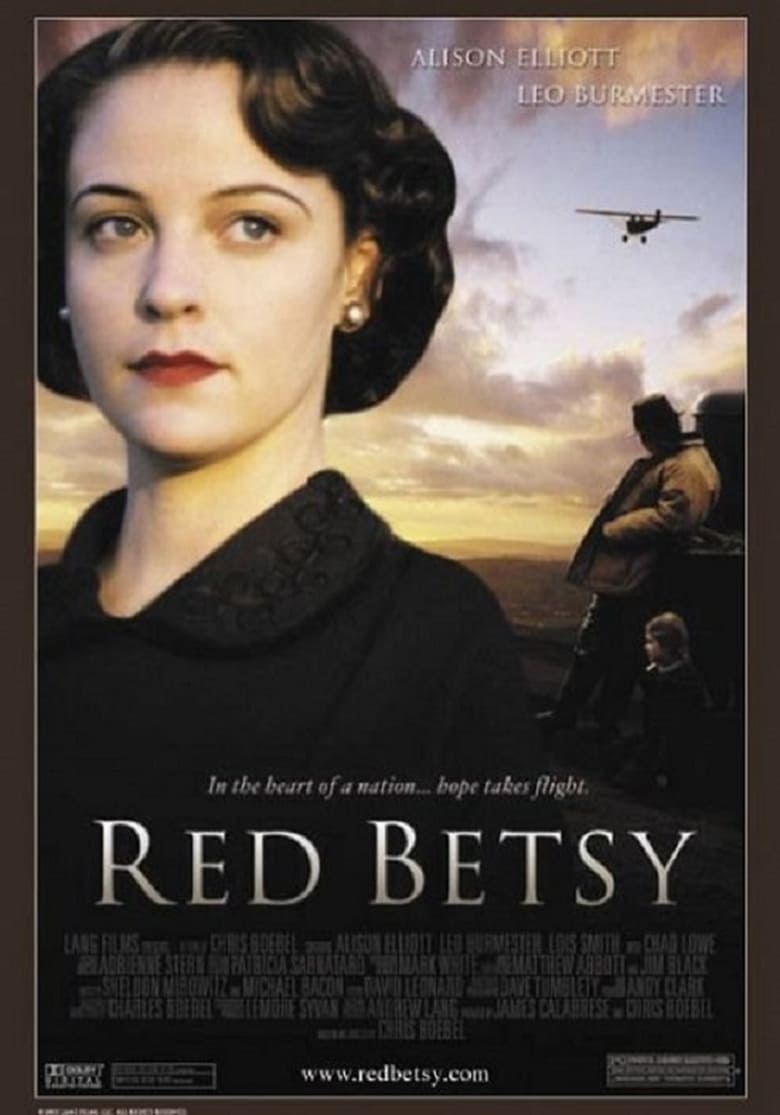
2003
PGDirector
Chris Boebel
Runtime
98 minutes
Average Rating
No ratings yetSynopsis
A close-knit Midwestern farm family deals with loss, change, and social progress during the 1940's.
Overall Score
Limited
Category Breakdown
LGBTQ+ Representation
The film focuses on traditional family dynamics. There is no evidence of LGBTQ+ characters or narratives that critique heteronormativity.
Gender Representation
The theme of social progress in a 1940s setting may imply a disruption of traditional gender roles. However, specific evidence of female agency is not present.
Racial & Ethnic Diversity
The Midwestern farm setting and 1940s era suggest a homogeneous demographic. The narrative appears to prioritize the domestic experience of a specific regional archetype.
Religious & Cultural Diversity
The story emphasizes traditional Western institutions like the family unit and agrarian lifestyle. The inclusion of social progress suggests a challenge to mid-century traditionalism.
Disability Representation
There is no information regarding the inclusion of neurodivergent characters or individuals with physical disabilities.
Strengths
Areas for Improvement
AI Analysis
Red Betsy is a conventional period drama centered on a Midwestern farm family during the 1940s. The narrative explores the friction between established communal norms and the shifting socio-political landscape of the mid-20th century. While the film touches on themes of social progress, it lacks verifiable evidence of intersectional casting or non-normative identities. The story functions primarily as a study of domestic change within a traditional framework. Ultimately, the production adheres to established storytelling tropes rather than pursuing systemic deconstruction of power hierarchies or diverse representation.
2015
2010
1967
1991
1983
No reviews yet. Be the first to share your thoughts on this movie!
Use the rating form above to leave a star rating and optional review.