The Grapes of Wrath
1940
No user ratings available yet
Representation score: 5.5 out of 10
Representation Score
Good
1984
PGDirector
Robert Benton
Runtime
111 minutes
Average Rating
No ratings yetNew Showbiz Analysis
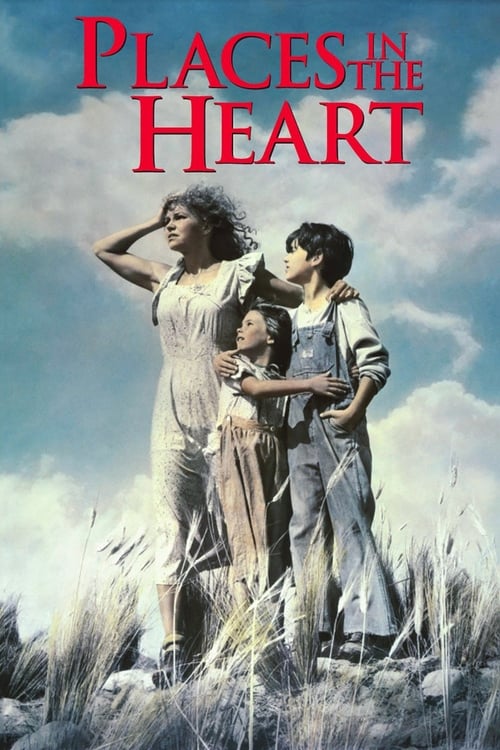
Robert Benton’s drama centers on underrepresented individuals navigating the systemic pressures of the Great Depression. The film dismantles traditional social institutions, replacing them with a moral framework based on situational ethics and communal survival. The narrative’s strength lies in its historical realism, using economic hardship to reshape social structures. By forming a makeshift family from diverse individuals, the film questions the necessity of the traditional nuclear family model. While the film offers a nuanced critique of gendered and racial hierarchies, it remains grounded in the social constraints of its time. It balances character's ability to drive the story with the threats of systemic oppression.
Category Breakdown
The film does not include any LGBTQ+ characters or stories. It portrays the 1930s through a lens that assumes everyone is straight and cisgender, without challenging traditional romantic structures.
Edna challenges traditional gender roles by managing the farm and serving as the main provider. Female characters play a significant role in driving the story while facing economic hardships.
Black characters like Moze are crucial to the farm's survival. Their presence in the narrative highlights the systemic oppression faced during the Jim Crow era.
The film critiques capitalist instability and traditional family structures. It showcases a 'chosen family' of transient individuals who prioritize communal support over institutional norms.
Mr. Will is shown as visually impaired. His disability is presented as a practical part of the household rather than a sentimental element.
Present on Screen
Limited or Absent
Official Synopsis
In 1935 rural Texas, recently widowed Edna Spaulding struggles to survive with two small children, a farm to run, and very little money in the bank - not to mention a deadly tornado and the unwelcome presence of the Ku Klux Klan. Edna is aided by her beautician sister, Margaret; a blind boarder, Mr. Will; and a would-be thief, Moze, who decides to teach Edna how to plant and harvest cotton.
1940

1984
1997
1982
1978
1941

2018

1969
No reviews yet. Be the first to share your thoughts on this movie!
Use the rating form above to leave a star rating and optional review.