
Little House on the Prairie
1974
No user ratings available yet
Representation score: 2.0 out of 10

Representation Score
Limited
1983
TV-PGDirector
Victor French
Runtime
95 minutes
Average Rating
No ratings yetNew Showbiz Analysis
Little House: Look Back to Yesterday functions as a conventional character study within a historical Western framework. The narrative prioritizes individual mortality and professional purpose over social disruption. The film adheres to traditional period clichés, focusing on the stability of the Walnut Grove community. This approach results in a narrow demographic scope that mirrors the historical setting's limitations. While the central illness provides a thematic anchor, the production lacks representation of multiple aspects of diversity or the subversion of established social hierarchies.
Category Breakdown
The narrative focuses on Albert Quinn Ingalls' personal health crisis and professional aspirations. There is no indication of LGBTQ+ identities or stories that challenge the assumption that everyone is straight or cisgender.
The story centers on a male protagonist's physical and professional struggles. While the family drama genre suggests a female presence, the central conflict remains driven by a male figure.
Set in the 19th-century American frontier, the film appears to reflect the era's social constraints. The narrative lacks indications of diverse casting beyond the typical Anglo-Saxon demographic norms.
The film emphasizes traditional Western values, community stability, and the sanctity of the family unit. It leans into the sentimentalism and morality characteristic of 1980s family television.
The plot is driven by a character facing a fatal illness. While this provides character depth, it remains unclear if the illness is treated with ability to act or as a tragic device.
Present on Screen
Limited or Absent
Official Synopsis
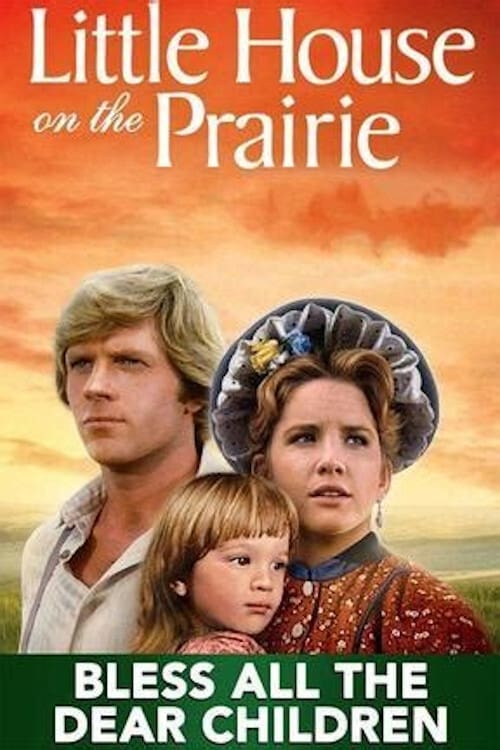
Albert Quinn Ingalls wants to be a doctor. But soon he discovers that he is fatally ill. He decides to spend the rest of his life in Walnut Grove. Meanwhile children from school are preparing for their traditional climbing of the mountain.
1974
1982
1983

2003
2001
1946
1994
1980
No reviews yet. Be the first to share your thoughts on this movie!
Use the rating form above to leave a star rating and optional review.