Blatangelus
2010
No user ratings available yet
Diversity score: 7.9 out of 10
2010
NRDirector
Renate Costa
Runtime
93 minutes
Average Rating
No ratings yetSynopsis
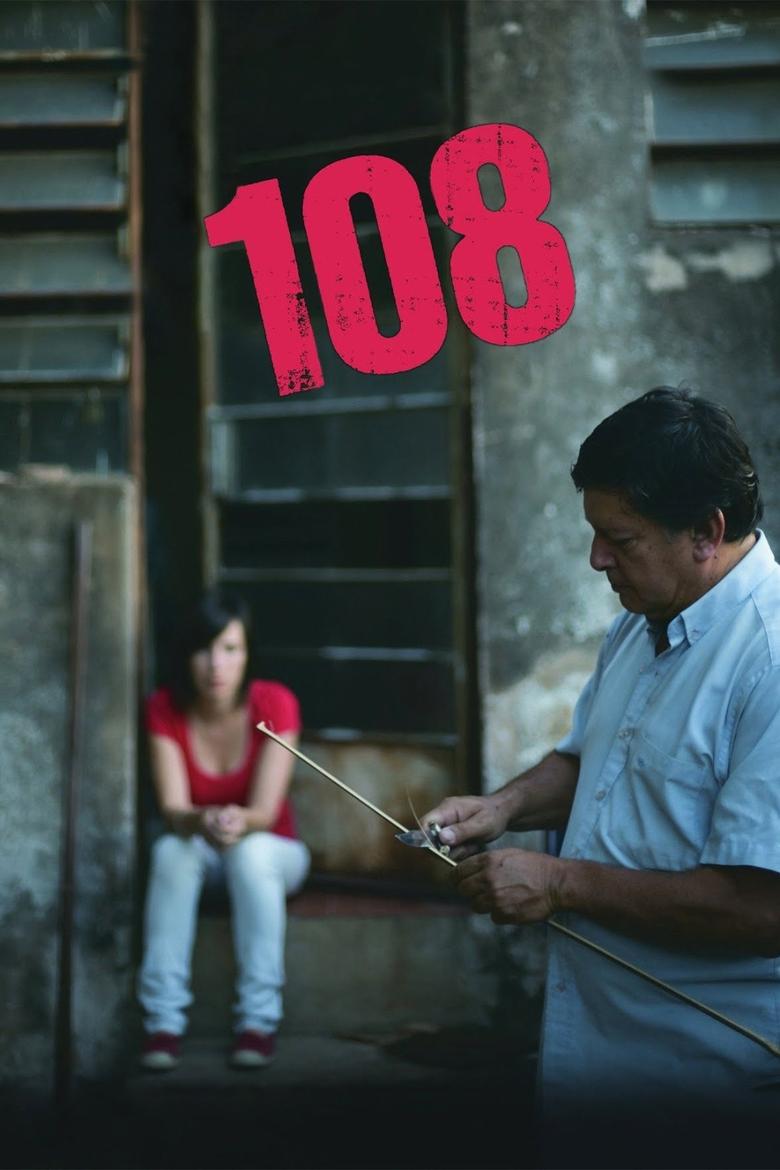
Of all my uncles, Rodolfo was the only one who didn't want to be a blacksmith like my grandfather: He wanted to be a dancer. The search for the traces of his life leads to the discovery that in the eighties in Paraguay, under Stroessner's dictatorship, Rodolfo was included in one of the "108 lists of homosexuals", arrested and tortured. Rodolfo's story reveals a part of the hidden and silenced history of my country. In "Cuchillo de palo" two generations come face to face in a confrontation that ultimately allows each of us to understand our place in the world.
Overall Score
Excellent
Category Breakdown
LGBTQ+ Representation
The film offers exceptional representation by centering on the historical persecution of homosexual individuals. It explores the systemic consequences of state-sanctioned violence and the mechanisms used to marginalize those deviating from traditional structures.
Gender Representation
Gender is explored through the subversion of traditional masculine roles. The protagonist's choice to pursue dance over patriarchal blacksmithing disrupts established family expectations and provides a nuanced view of gender performance.
Racial & Ethnic Diversity
The work provides a vital perspective on Paraguayan history, challenging Eurocentric dominance in documentary cinema. It centers the silenced history of the Global South within a specific post-colonial political context.
Religious & Cultural Diversity
The narrative critiques institutional power and the oppressive nature of dictatorship. It frames individual rebellion against a repressive regime as a necessary reclamation of identity against corrupt state authority.
Disability Representation
There is no explicit evidence regarding the portrayal of physical or neurodivergent disabilities within the film.
Strengths
Areas for Improvement
AI Analysis
108 is a profound archival excavation that reconstructs suppressed histories within the Paraguayan sociopolitical landscape. By focusing on Rodolfo’s experience under the Stroessner dictatorship, the film disrupts conventional narratives that omit the intersection of political repression and sexual identity. The documentary moves beyond simple biography to offer a sophisticated critique of state-sanctioned violence. It successfully centers an individual whose identity was used as a pretext for systemic erasure, providing a meaningful platform for intersectional storytelling. While the film excels in its exploration of queer history and regional political context, it maintains a primary focus on male subjects and familial legacies.
2010
2020
2001
2009
1984
2018
2018
2015
2013
2007
2012
2019
No reviews yet. Be the first to share your thoughts on this movie!
Use the rating form above to leave a star rating and optional review.