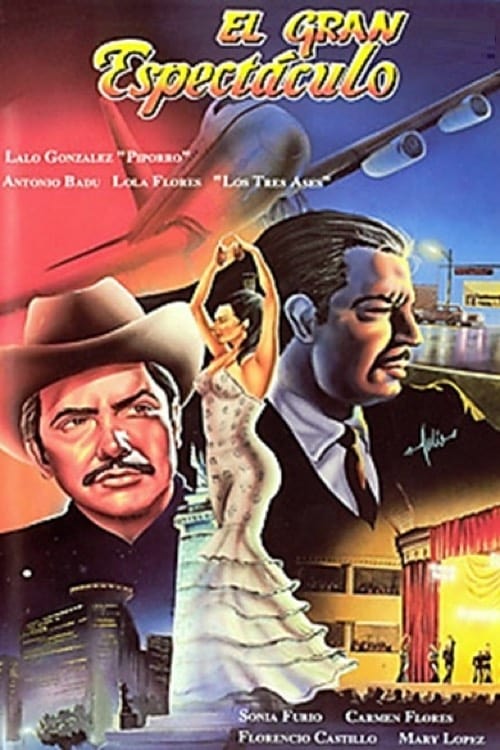
El gran espectáculo
1958
No user ratings available yet
Representation score: 2.3 out of 10

Representation Score
Limited
1958
TV-PGDirector
Rafael Portillo
Runtime
71 minutes
Average Rating
No ratings yetNew Showbiz Analysis
Locos por la televisión is a period-specific artifact of the Mexican musical comedy genre. It prioritizes mainstream entertainment and star-driven musical numbers over the exploration of complex identity politics or the subversion of social hierarchies. The film operates within the established cultural and commercial frameworks of 1950s Mexico. Its focus remains on the burgeoning medium of television and the ambitions of nightclub owners, reflecting the era's traditional production norms. Ultimately, the work serves as a celebration of mid-century commercialism. It lacks the narrative depth required to address diverse social identities, instead leaning into the genre clichés of its time.
Category Breakdown
The film follows the traditional norms of mid-century musical comedies and does not include any non-straight or non-cisgender identities or narratives that challenge traditional social structures.
Female performers likely play prominent roles, but they are portrayed through traditional glamorous archetypes. The narrative emphasizes conventional approaches to business leadership and entertainment.
As a Mexican production, the cast includes non-Anglo-Saxon actors. However, the representation mirrors the existing social hierarchies of 1958 rather than challenging them through diverse casting.
The story celebrates the rise of television and capitalist commercial success. It functions as a celebration of modern media rather than a critique of Western or established institutions.
The film provides no visible evidence regarding the inclusion or portrayal of characters with physical or neurodivergent disabilities.
Present on Screen
Limited or Absent
Official Synopsis
Nightclub owners try to scrape up enough money to sponsor a variety show on TV to publicize their artists and their venue.
1958
1936
1947
1936
1957
1980

1955
1978
No reviews yet. Be the first to share your thoughts on this movie!
Use the rating form above to leave a star rating and optional review.