Youth Runs Wild
1944
No user ratings available yet
Representation score: 2.0 out of 10
Representation Score
Fair
1943
ApprovedDirector
Edward H. Griffith
Runtime
83 minutes
Average Rating
No ratings yetNew Showbiz Analysis
Young and Willing stands out for its refusal to follow the exclusionary casting practices typical of the 1940s studio system. By centering Black protagonists and their navigation of systemic injustice, the film critiques the prevailing social order. The film's strength lies in its portrayal of communal resilience and the dignity of underrepresented individuals. It moves beyond simple ensemble comedy to engage with the tensions of a segregated society. However, the film remains bound by the era's social constraints, particularly regarding LGBTQ+ representation and the absence of disability narratives. While it challenges racial norms, it does not expand into other areas of identity.
Category Breakdown
The film does not include any explicit LGBTQ+ identities or non-straight relationships. The focus is on the central romantic and social dynamics among the main characters.
Women play important roles in the film, contributing to the central struggle for economic and artistic survival. They have significant influence within their shared living and professional environments, despite the social constraints of the time.
The film centers around Black protagonists, addressing socioeconomic and systemic issues. It avoids stereotypes and emphasizes the ability to act of the Black community within a restrictive environment.
The narrative highlights the conflict between individual goals and oppressive social structures. It portrays the racial caste system as a disruptive force rather than a natural order.
There are no specific depictions of physical or neurodivergent disabilities in the film.
Present on Screen
Limited or Absent
Official Synopsis
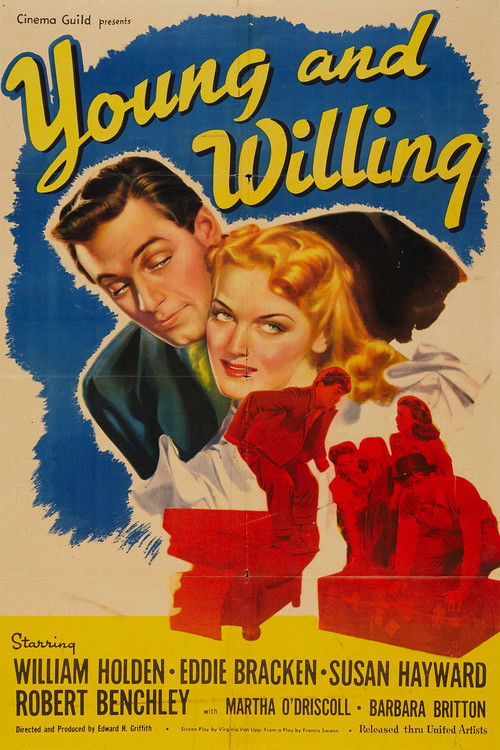
For those, if any, who have wondered why so many Paramount contractees appeared in United Artists' films during the war years, this is another one of the Paramount productions that was sold to United Artists in the early-40's when U.A. was having trouble meeting their exhibitor contracts because of lack of product, mainly due to their loss of production in England. A group of starving, but young and willing, actors band together to share finances and an apartment. Norman Reese (William Holden) orders no love nonsense between the boys and girls till they are set on broadway, but Marge Benson (Barbara Britton) and Tony Dennison (James Brown) are already secretly married. A friend drops in to see Dottie Coburn (Martha O'Driscoll) and is shocked to find the boys and girls sharing the same apartment and insists it is her duty to inform Dottie's father (Jay Fassett.)
1944
1937
1942
1942
1940
1933
1944

1941
No reviews yet. Be the first to share your thoughts on this movie!
Use the rating form above to leave a star rating and optional review.