
Dancing Feet
1936
No user ratings available yet
Representation score: 1.1 out of 10
Representation Score
Minimal
1940
NRDirector
Joseph Santley
Runtime
74 minutes
Average Rating
No ratings yetNew Showbiz Analysis
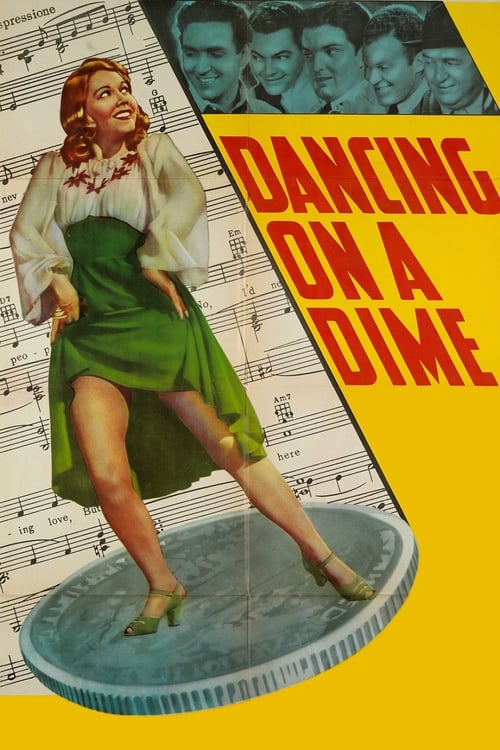
Dancing on a Dime adheres to the conventional social and narrative structures of 1940s musical comedies. The plot relies on the 'struggling artist' and 'found family' clichés to create situational humor. The film prioritizes traditional character types and economic survival over exploring diverse identities or challenging social hierarchies. Ultimately, it reflects the era's standard casting and storytelling norms, offering limited diversity.
Category Breakdown
The film does not include any characters with LGBTQ+ identities or same-sex relationships. The main characters are all heterosexual.
Lorie Fenton plays a significant role in the troupe's survival through her inheritance. However, her character follows traditional gender roles without challenging existing hierarchies.
The cast is likely homogeneous, with no indication of significant non-white actors or race-bent casting.
The story highlights communal cooperation and individual ingenuity to overcome economic hardships. It portrays the loss of government funding as a practical issue without critiquing systemic issues.
There are no characters with physical, sensory, or neurodivergent traits. Disability is not used as a narrative element.
Present on Screen
Limited or Absent
Official Synopsis
Director Ted Brooks and comedians Jack Norcross, Dandy Joslyn and Phil Miller are part of a troupe of promising young players rehearsing for a WPA show at the Garrick Theater in New York and are stunned when the government withdraws their funding on the day of the show's dress rehearsal. Destitute, the troupe plans to return home when Mac, the stage doorman, offers to allow four of the men, Phil, Dandy, Jack and Ted, to use the theater for a boardinghouse. After accepting Mac's offer, the men improvise bedrooms out of the set pieces and meet amateur actress Lorie Fenton from Cleveland, who is eager to audition for them. When the men learn she recently received a small inheritance, they allow her to audition, hoping she will back the show.
1936

1933

1936

1941
1929

1933
1937
1933
No reviews yet. Be the first to share your thoughts on this movie!
Use the rating form above to leave a star rating and optional review.