
The Picture of Dorian Gray
2005
No user ratings available yet
Representation score: 4.2 out of 10

Representation Score
Limited
1970
RDirector
Massimo Dallamano
Runtime
97 minutes
Average Rating
No ratings yetNew Showbiz Analysis
Dallamano's adaptation is a stylistic period piece that prioritizes the psychological erosion of a single individual over a diverse social tapestry. While it successfully challenges Victorian ethical rigidity through themes of moral relativism, the scope remains narrow. The film is tethered to traditional casting paradigms and historical homogeneity. It functions as a character study of decadence rather than a vehicle for diverse representation or social disruption. Ultimately, the narrative remains centered on a homogeneous social class and conventional archetypes, limiting its demographic breadth.
Category Breakdown
The film relies heavily on hints and suggestions regarding the protagonist's obsession with beauty, but it lacks explicit depictions of non-straight relationships or same-sex intimacy.
Women in the film primarily serve as catalysts for the protagonist's psychological changes rather than as independent agents. The narrative adheres to traditional gender hierarchies and masculine-dominated power structures.
The production features a predominantly white, European cast consistent with its Victorian setting. There is no significant inclusion of non-Anglo-Saxon characters or race-bent casting.
The film explores moral relativism and the hypocrisy of high-society institutions. It lacks a broader critique of Western institutions, focusing instead on individual psychological decay.
There are no prominent depictions of physical or neurodivergent disabilities that serve as central character arcs or plot devices.
Present on Screen
Limited or Absent
Official Synopsis
London, England. Dorian Gray is a young man who somehow keeps his beauty eternally, while a mysterious portrait of himself gradually reveals his moral decay.
2005
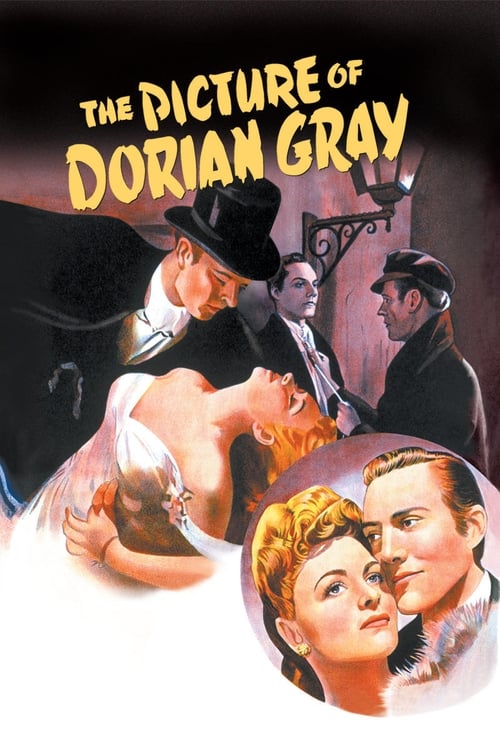
1945
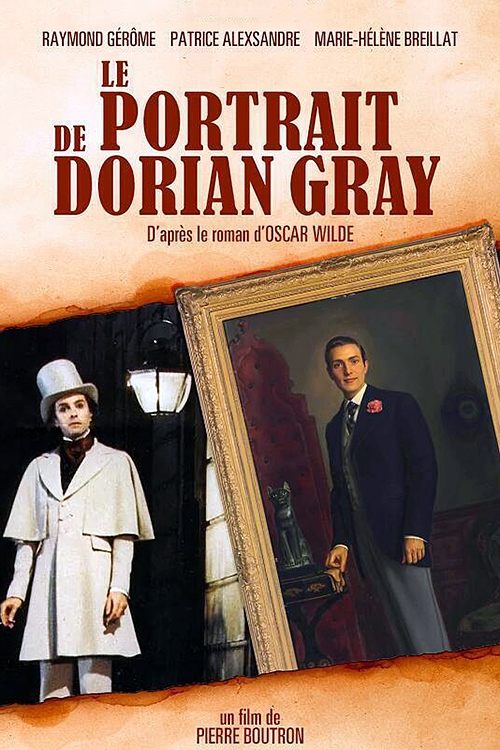
1977
1971
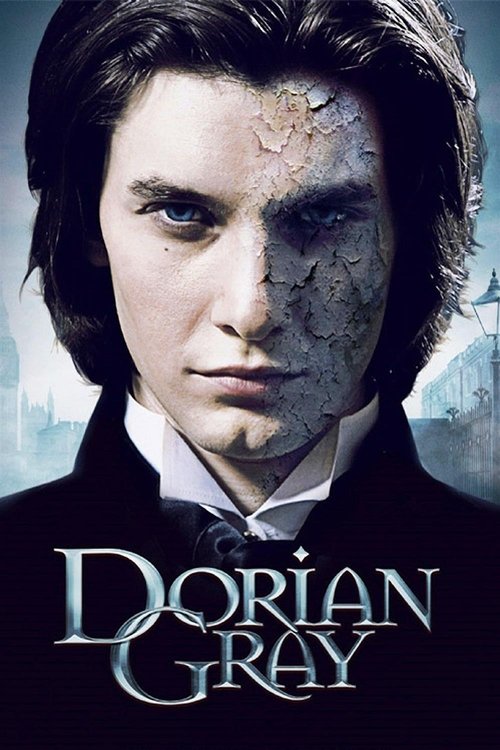
2009
1965
2003

1993
No reviews yet. Be the first to share your thoughts on this movie!
Use the rating form above to leave a star rating and optional review.