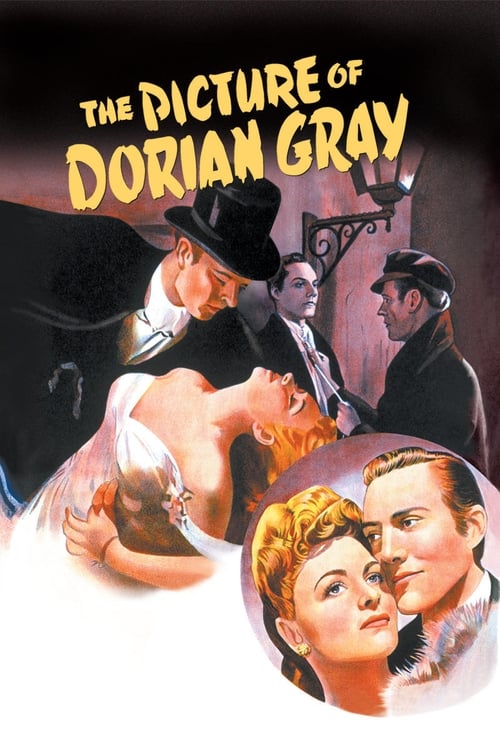
The Picture of Dorian Gray
1945
No user ratings available yet
Representation score: 2.5 out of 10
Representation Score
Good
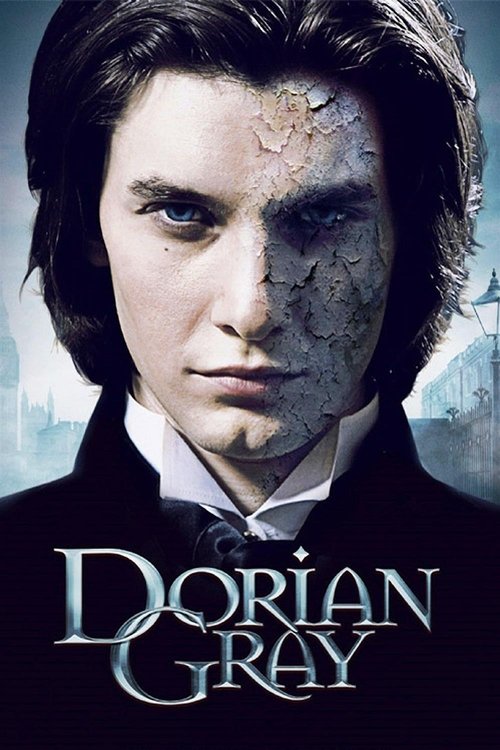
2009
RDirector
Oliver Parker
Runtime
112 minutes
Average Rating
No ratings yetNew Showbiz Analysis
Oliver Parker's adaptation shines as a psychological study of hedonism, with its greatest strength being the sophisticated queer subtext between its main characters. By exploring themes of repressed desire, the film adds a layer of non-traditional intimacy. However, the film's narrow focus on the historical homogeneity of the Victorian era limits its representation. It lacks racial and ethnic diversity and does not address visible or invisible disabilities. The narrative remains centered on male-driven philosophical conflicts, which limits the inclusion of broader social diversity.
Category Breakdown
The film explores repressed desire and non-traditional intimacy through the obsessive relationship between Lord Henry Wotton and Dorian Gray. This approach challenges the assumption that everyone is straight or cisgender, offering a sophisticated layer of queer subtext.
While Sibyl Vane's tragic story disrupts traditional gender roles, the film focuses on male-driven philosophical conflicts. This emphasis highlights the role of men in driving the story, rather than giving equal weight to women's perspectives.
The cast is primarily white and Anglo-Saxon, reflecting the historical homogeneity of the Victorian aristocracy. The film does not include diverse perspectives or introduce actors from different racial backgrounds.
The film critiques traditional Victorian morality and religious dogma by promoting moral relativism. It portrays social authorities as obstacles to personal freedom, framing the period's moral constructs as hypocritical.
The film does not engage with visible or invisible disabilities. While the portrait's corruption symbolizes moral decay, it fails to offer nuanced representations for characters with disabilities.
Present on Screen
Limited or Absent
Official Synopsis
Seduced into the decadent world of Lord Henry Wotton, handsome young aristocrat Dorian Gray becomes obsessed with maintaining his youthful appearance, and commissions a special portrait that will weather the winds of time while he remains forever young. When Gray's obsession spirals out of control, his desperate attempts to safeguard his secret turn his once-privileged life into a living hell.
1945
1966

2013
1992
2007

1993

2005

2011
No reviews yet. Be the first to share your thoughts on this movie!
Use the rating form above to leave a star rating and optional review.