
Dorian Gray
1970
No user ratings available yet
Representation score: 2.9 out of 10

Representation Score
Fair
2005
Director
Dave Rosenbaum
Runtime
90 minutes
Average Rating
No ratings yetNew Showbiz Analysis
This adaptation of the classic tale functions primarily as a traditional genre piece. While the themes of moral decay and identity allow for subtextual exploration, the film lacks visible markers of intentional diverse representation. The production adheres to period-specific casting and narrative structures that prioritize a homogeneous aesthetic. This results in a lack of racial diversity and limited evidence of women playing a significant role in driving the story. Ultimately, the film relies on established formulas rather than actively disrupting social hierarchies or presenting diverse perspectives.
Category Breakdown
The story deals with non-traditional desires and the tension between public and private identities. However, there is no explicit on-screen evidence of queer characters or a critique of the assumption that everyone is straight or cisgender.
The story focuses on a male protagonist's corruption, often relegating female characters to secondary roles. There is little evidence of women playing a significant role in driving the story or challenging traditional gender hierarchies.
The production follows traditional casting conventions for Victorian-era adaptations. The cast appears to be a non-Anglo-Saxon majority, offering limited evidence of diverse racial backgrounds.
The film explores moral relativism and the contrast between outward beauty and inner decay. It lacks an explicit critique of Western institutions or anti-capitalist themes.
There is no mention of characters navigating physical, neurodivergent, or mental health conditions. No assessment of characters dealing with disabilities is possible within this work.
Present on Screen
Limited or Absent
Official Synopsis
Dorian Gray arrives a pure young man at the studio of his friend, painter Basil Ward, but is slowly corrupted by the cynical Harry Wotton. Spellbound before his newly painted portrait, Dorian utters a fateful wish: In exchange for eternal youth, he gives up his soul.
1970
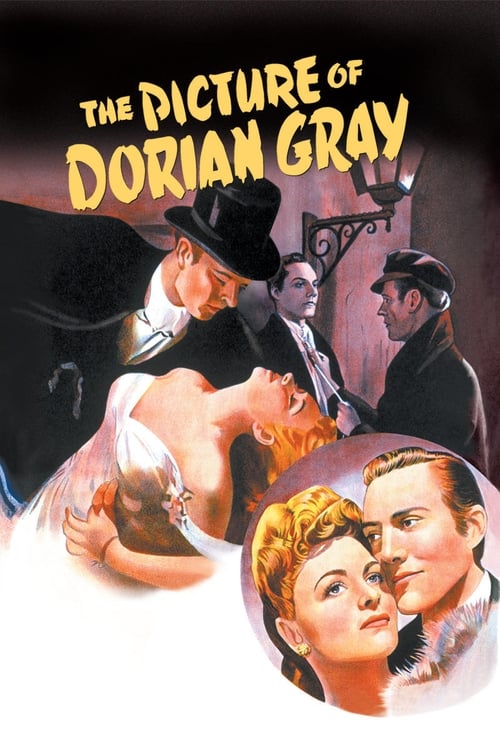
1945
2007

2005
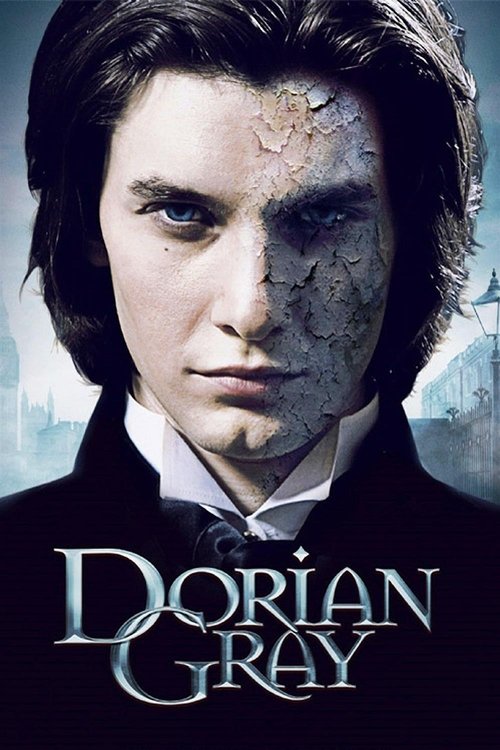
2009

1993

2000

2013
No reviews yet. Be the first to share your thoughts on this movie!
Use the rating form above to leave a star rating and optional review.