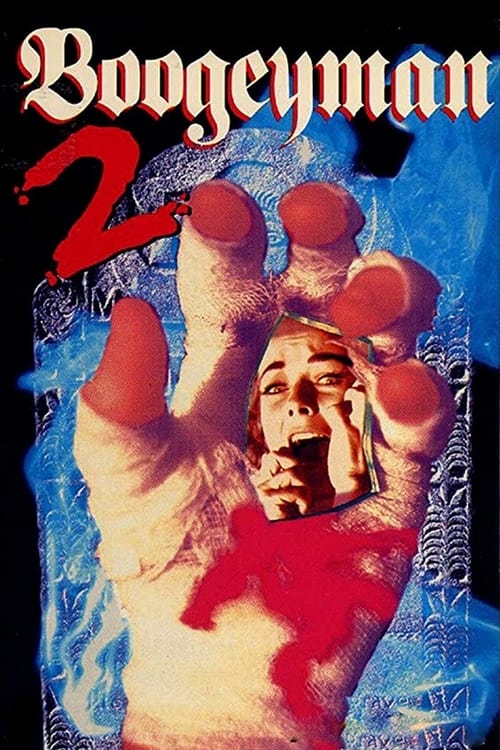
Boogeyman II
1983
No user ratings available yet
Diversity score: 2.4 out of 10

1980
Not RatedDirector
Don Dohler
Runtime
90 minutes
Average Rating
No ratings yetSynopsis
An evil spirit resurrects the corpse of a dead music teacher, who now must strangle and absorb people's energy in order to stay alive. When he moves to the suburbs of Baltimore and resumes giving music lessons, he begins to cause suspicion amongst his neighbors.
Overall Score
Limited
Category Breakdown
LGBTQ+ Representation
The film lacks LGBTQ+ characters or non-cisnormative identities. It adheres to standard 1980s genre conventions that typically offer no queer visibility.
Gender Representation
The story focuses on a male antagonist and his community interactions. Women appear to occupy traditional roles without significant agency or subversion of hierarchies.
Racial & Ethnic Diversity
Set in the Baltimore suburbs, the film likely reflects a homogeneous casting approach. There is no evidence of diverse ethnic ensembles or race-conscious casting.
Religious & Cultural Diversity
The narrative follows a standard supernatural horror structure. It utilizes a 'monster in the suburbs' trope that reinforces rather than challenges existing social structures.
Disability Representation
The central character is a corpse, which does not constitute a portrayal of lived disability. There is no evidence of neurodivergent characters or disabled individuals with agency.
Strengths
Areas for Improvement
AI Analysis
Fiend is a conventional 1980s exploitation horror film that prioritizes genre tropes over social complexity. The narrative centers on a supernatural antagonist, a resurrected music teacher, and his predatory behavior in a suburban setting. The film lacks intentionality regarding intersectional storytelling or the deconstruction of social hierarchies. It functions as a standard genre piece, offering minimal representation across all major demographic categories. Ultimately, the work reflects the era's cinematic trends, providing a narrow view of identity and social structure through its focus on a singular, supernatural threat.
1983

1987
1978
1998
1974
1982
1980
1990
1989
2016
1992
1978
No reviews yet. Be the first to share your thoughts on this movie!
Use the rating form above to leave a star rating and optional review.