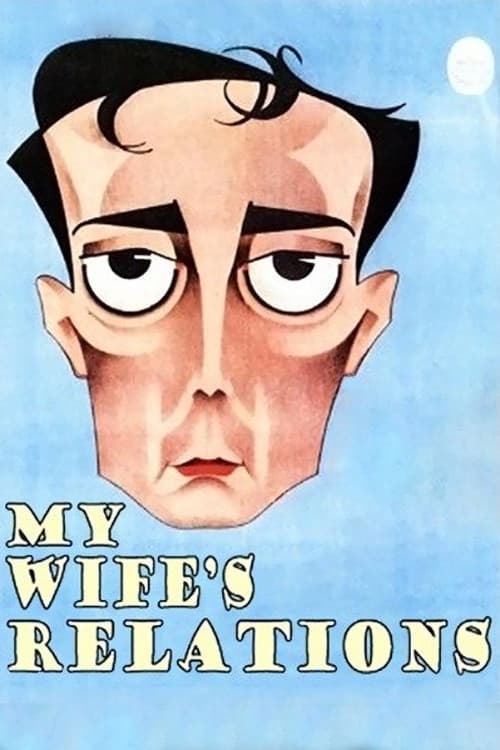
My Wife's Relations
1922
No user ratings available yet
Representation score: 0.4 out of 10
No Poster Available
Representation Score
Minimal
1926
PassedDirector
James D. Davis
Average Rating
No ratings yetNew Showbiz Analysis
All Wet is a product of the 1920s silent comedy era, relying heavily on established slapstick clichés and conventional social hierarchies. The narrative is primarily motivated by economic status and traditional romantic pursuits, offering little in the way of modern diversity. While the film provides a small moment of subversion through the maid's decision to expose a social ruse, the broader structure remains anchored in rigid class and gender roles. Characters function more as archetypes than nuanced individuals. Ultimately, the film reflects the era's focus on domesticity and materialism. It lacks representation across most modern metrics, functioning as a standard period piece of its time.
Category Breakdown
The film does not include any LGBTQ+ characters or stories about non-assuming gender matches what was assigned at birth identities. Romantic relationships follow traditional structures centered around the male protagonist.
Female characters are defined by 1920s archetypes, such as the seductive 'vamp' and the domestic worker. While the maid shows a strong role in the plot, the story is driven by the male protagonist's wealth.
The narrative focuses on class and domestic structures without mentioning a diverse cast. It seems to reflect the homogeneous casting standards of early Hollywood.
Themes of materialism and social climbing drive the story. The film explores social etiquette and marriage within a traditional, period-specific framework.
There is no evidence regarding the depiction of physical or neurodivergent disabilities in this work.
Present on Screen
Limited or Absent
Official Synopsis
In this film, Snub leaves his extremely tiny town to go live with his aunt, who he doesn't even know. He arrives at her house when she's throwing a party and she doesn't want to invite him inside...until she learns he owns an oil well. Then she encourages him to meet and become smitten with her daughter. However, Snub isn't that interested in this vamp and instead is interested in the maid. But due to their persistence, Snub finally agrees to marry the cousin--at which point the maid hatches a plan to expose the ruse and a silent comedy chase ensues.
1922
1927
1915
1931
1926
1917
1919
1927
No reviews yet. Be the first to share your thoughts on this movie!
Use the rating form above to leave a star rating and optional review.