
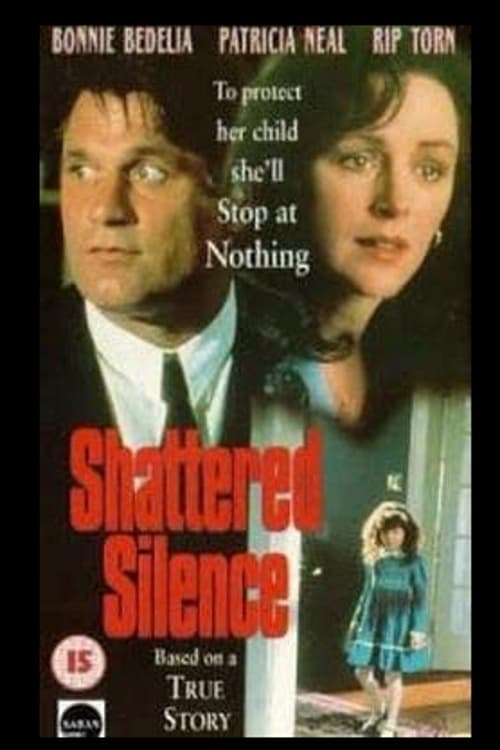
Whose Daughter is She?
1995
No user ratings available yet
Representation score: 2.1 out of 10
Representation Score
Fair
1992
TV-14Director
Linda Otto
Runtime
95 minutes
Average Rating
No ratings yetNew Showbiz Analysis
The film opens in a sterile, brightly lit hospital corridor, establishing the institution as the primary antagonist against which Elizabeth Morgan’s moral clarity is tested. Directed by Linda Otto, this 1992 telefilm sells the legend of the competent professional woman who can balance career and family without sacrificing either. The camera lingers on Bedelia’s composed face, treating her duality as normal and desirable, while the opposing counsel is framed in rigid, tighter shots to suggest institutional coldness. The narrative argues that the legal system is ultimately fair if challenged by the right person, rewarding Elizabeth’s persistence with a final image of vindication and personal restoration. However, the film’s internal logic pulls apart when it treats the institution as flawed but not cartoonishly evil, allowing the system to be corrected in this instance without dismantling the broader structures that enabled the initial injustice. The "superwoman" myth is printed clearly: a woman’s value is tied to her ability to maintain both professional identity and maternal role, while a man’s value is tied to his support of her ambitions. The ending affirms traditional family values as the stable foundation, with the legal victory serving as a restoration of domestic order rather than a systemic change. The film is a quality telefilm that draws on the heartstrings without becoming overly sweet, but it ultimately reinforces the idea that individual moral courage is sufficient to overcome institutional inertia, leaving the broader structures of power and privilege unexamined.
Category Breakdown
Absent. The narrative centers on a heterosexual marriage and a traditional nuclear family unit. No same-sex intimacy, queer characters, or non-binary identities appear on screen.
Bonnie Bedelia anchors the film as a competent medical professional who retains her rank and moral authority throughout the legal battle. The film treats the "superwoman" duality of career and motherhood as the ideal, rewarding her persistence while framing her husband as a supportive, non-competitive anchor.
The cast is predominantly white, reflecting the unmarked majority status of the era’s legal and medical institutions. Pam Grier appears as a supporting ally, but the narrative does not engage with systemic racial dynamics or non-white perspectives.
The film positions the legal system as a flawed but ultimately fair mechanism that rewards individual moral courage. Traditional family values are treated as the stable foundation against which institutional arrogance is measured, with the ending affirming the restoration of domestic order.
Absent. No characters are depicted with physical, cognitive, or sensory impairments. The conflict is strictly legal and professional, with no disability-related plot points or character traits.
Present on Screen
Limited or Absent
Official Synopsis
Based on the custody case involving Elizabeth Morgan and the subsequent Elizabeth Morgan Act.
1995
1994

2000
1996
1989

1995
1994

1997
No reviews yet. Be the first to share your thoughts on this movie!
Use the rating form above to leave a star rating and optional review.