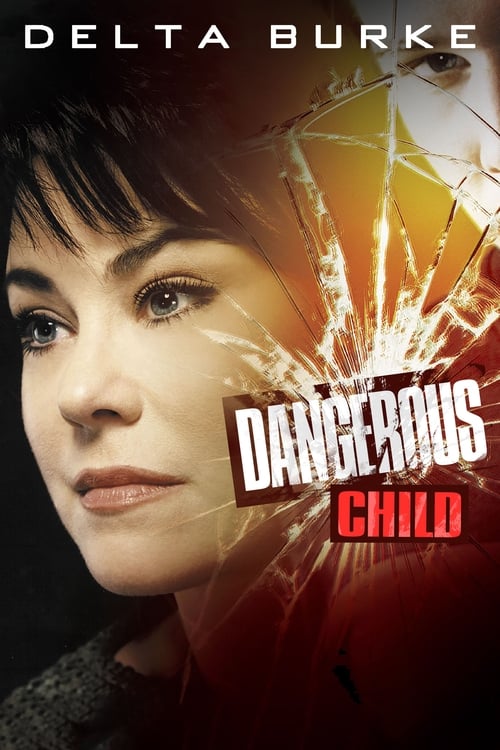
Dangerous Child
2001
No user ratings available yet
Representation score: 1.4 out of 10
Representation Score
Limited
1995
Director
Frank Arnold
Runtime
89 minutes
Average Rating
No ratings yetNew Showbiz Analysis
Whose Daughter is She? functions as a typical mid-90s domestic drama centered around a custody battle between a biological mother and a stepmother. The film highlights interpersonal conflicts rather than broader social issues. Women are placed at the center of the narrative, holding significant power through their roles as caregivers and protectors. However, their ability to act is confined to traditional maternal duties. Overall, the film lacks the depth needed for a higher diversity score, focusing more on individual emotional struggles than broader cultural representation.
Category Breakdown
The film includes a stepmother, introducing a non-traditional family structure. However, there is no clear depiction of LGBTQ+ identities or non-straight relationships.
Women play central roles in the film through their involvement in motherhood and caregiving. However, their ability to act remains tied to traditional maternal roles.
The provided information contains no details regarding the racial or ethnic identities of the cast. Consequently, no assessment of racial diversity can be made.
The story questions the stability of the typical Western family structure by showing how families can break apart. It does not explore broader societal issues or cultural contexts.
The film does not mention any physical disabilities, neurodivergence, or mental health conditions. There is no discussion of disability representation.
Present on Screen
Limited or Absent
Official Synopsis
Two mothers, one biological, one stepmother, fight for the custody and love of 13-year-old Andrea.
2001

1989

2011

2005

1995

2017
1993

2013
No reviews yet. Be the first to share your thoughts on this movie!
Use the rating form above to leave a star rating and optional review.