
The Surrogate
1995
No user ratings available yet
Representation score: 1.1 out of 10
Representation Score
Limited
1994
TV-PGDirector
Gabrielle Beaumont
Runtime
96 minutes
Average Rating
No ratings yetNew Showbiz Analysis
Cradle of Conspiracy is a psychological drama that emphasizes interpersonal trauma over systemic or identity-based issues. It effectively deconstructs the myth of the stable, happy family, presenting the domestic sphere as a place of manipulation and psychological distress. However, the film lacks depth in exploring multiple aspects of identity. The narrative is primarily focused on traditional demographic norms and straight-centered dynamics, offering limited representation for LGBTQ+ or multi-ethnic audiences. The female characters, while central to the conflict, often lack ability to act, reacting mostly to external pressures.
Category Breakdown
The film centers on heterosexual relationships and traditional family conflicts. It does not include any characters with non-cisgender identities or critique the assumption that everyone is straight or cisgender.
The story examines the tension between maternal pressure and the daughter's autonomy. While it challenges the nurturing mother stereotype, the female protagonist remains in a vulnerable, reactive position.
The setting focuses on a homogeneous, upper-middle-class environment. There is no indication of a multi-ethnic cast or diverse racial representation.
The narrative dismantles the idealized family unit by depicting the home as a site of conspiracy and betrayal. It questions the idea of the family as a safe institution.
The film contains no characters with visible or invisible disabilities.
Present on Screen
Limited or Absent
Official Synopsis
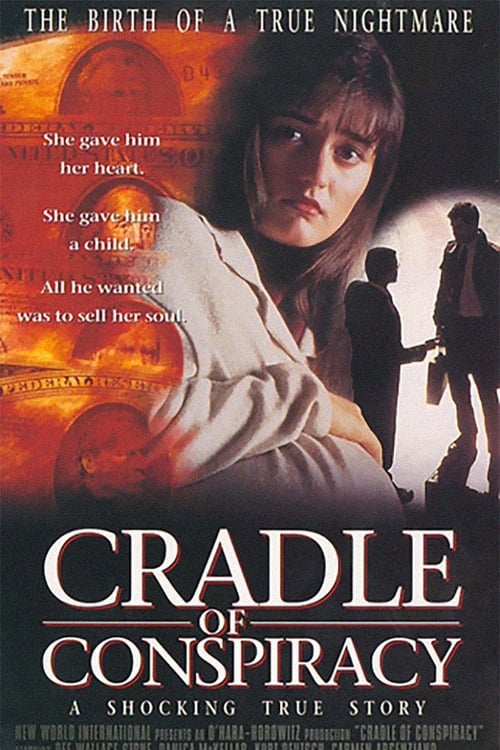
Kristin (Danica McKellar), daughter of upper middle class parents, can hardly stand the immense pressure to fulfill her mother's (Dee Wallace Stone) dream of success in sports and high school. In this tense situation she gets emotional support by Kenny, who secretly plans to make her pregnant and sell the baby for adoption. Based on a true story.
1995

1989

2005
2012
1993

1997

1998
1998
No reviews yet. Be the first to share your thoughts on this movie!
Use the rating form above to leave a star rating and optional review.