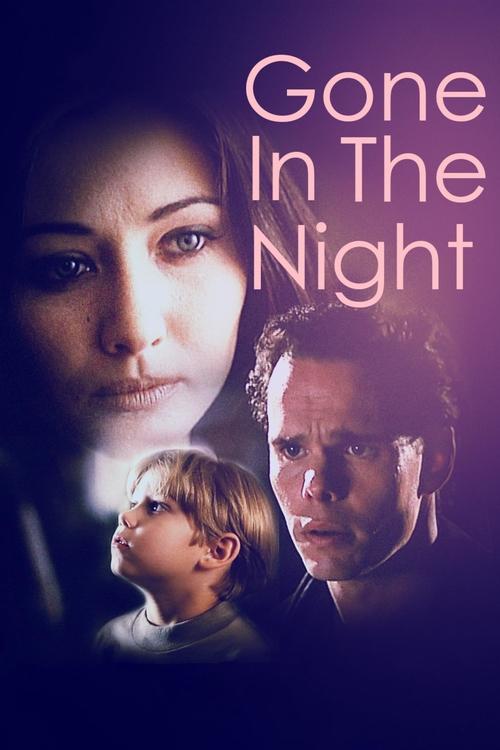
Gone in the Night
1996
No user ratings available yet
Representation score: 0.9 out of 10

Representation Score
Fair
1994
TV-14Director
Michael Toshiyuki Uno
Runtime
96 minutes
Average Rating
No ratings yetNew Showbiz Analysis
Lies of the Heart: The Story of Laurie Kellogg is a character-driven drama that emphasizes women's ability to drive the story. By focusing on a woman accused of orchestrating violence against her husband, the film shifts away from traditional provider roles to examine complex interpersonal trauma. The narrative's strength lies in its interrogation of the stability of the nuclear family and the morality of domestic institutions. However, the film's diversity profile is limited by a lack of visible information regarding racial and LGBTQ+ representation. While the director’s background suggests potential nuance, the actual cast composition and queer inclusion remain unverified.
Category Breakdown
The film does not explicitly include LGBTQ+ characters or explore non-straight relationships. The plot revolves around a domestic conflict within a conventional marriage.
A female protagonist drives the narrative through a high-stakes legal and social crisis. This positions her as the main agent of tension, disrupting traditional gender roles.
The racial makeup of the cast is unspecified. While the director’s background may hint at diverse influences, the cast’s ethnicity is not confirmed.
The story questions the sanctity of marriage by raising allegations of abuse, challenging the stability of Western domestic institutions.
There is no mention of physical, neurodivergent, or mental health disabilities. No information is available to assess this category.
Present on Screen
Limited or Absent
Official Synopsis
A young mother is accused of convincing four teenagers to murder her husband, who she claims abused her during their ten-year relationship.
1996
1995

2001

1995
1995
1991
2017

2023
No reviews yet. Be the first to share your thoughts on this movie!
Use the rating form above to leave a star rating and optional review.