Titanic
1997
No user ratings available yet
Representation score: 6.4 out of 10
Representation Score
Minimal
1953
NRDirector
Jean Negulesco
Runtime
98 minutes
Average Rating
No ratings yetNew Showbiz Analysis
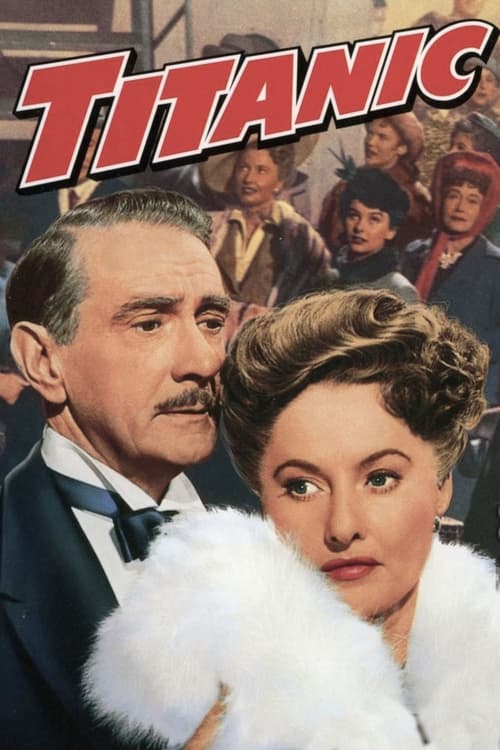
This 1953 melodrama is a classic example of the studio era, emphasizing high-stakes romance and traditional storytelling. While it offers a nuanced portrayal of marital issues through its female lead, it operates strictly within the social norms of its time. The film does not attempt to challenge historical or systemic hierarchies, focusing instead on a homogeneous social framework. Ultimately, it serves as a character-driven story of personal tragedy within a narrow, period-specific social context.
Category Breakdown
The film adheres to a traditional structure centered around heterosexual relationships. There is no representation of LGBTQ+ identities or queer subtext.
Julia Sturges brings psychological depth as a female protagonist dealing with a troubled marriage. However, the narrative remains tied to mid-century gender roles and social hierarchies.
The cast is predominantly white, reflecting the casting practices of the 1950s. The story focuses on upper-class society without challenging social norms through diverse representation.
The film highlights individual survival and romantic tragedy during a maritime disaster. It portrays class distinctions and the breakdown of social order without engaging in systemic critique.
There are no significant portrayals of disabilities. No characters are shown with disabilities that play a central role in the narrative.
Present on Screen
Limited or Absent
Official Synopsis
Unhappily married, Julia Sturges decides to go to America with her two children on the Titanic. Her husband, Richard also arranges passage on the luxury liner so as to have custody of their two children. All this fades to insignificance once the ship hits an iceberg.
1997
1936

1945

1927

1932
1938
2011

1937
No reviews yet. Be the first to share your thoughts on this movie!
Use the rating form above to leave a star rating and optional review.