
Star Dust
1940
No user ratings available yet
Representation score: 2.0 out of 10
Representation Score
Limited
1945
NRDirector
Michael Curtiz
Runtime
117 minutes
Average Rating
No ratings yetNew Showbiz Analysis
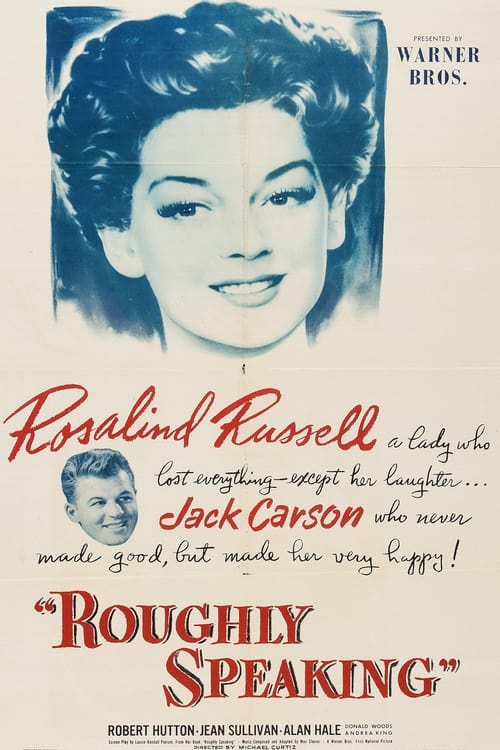
Roughly Speaking is a character-driven period piece that highlights the strength of women's ability to drive the story. By focusing on Louise Randall's struggle against gendered barriers, the film presents a progressive view of professional ambition in the 1920s. However, this progressiveness is limited to gender issues and lacks depth in terms of racial or LGBTQ+ representation. The film adheres to the cultural norms of its time, offering little in the way of broader inclusivity. Ultimately, the film serves as a study of gender resilience rather than a comprehensive exploration of systemic inclusivity.
Category Breakdown
The film does not include any LGBTQ+ identities or narratives that question the assumption that everyone is straight. The story focuses solely on the protagonist's career.
Louise Randall is a strong female lead who actively challenges the male-dominated environment of the 1920s. Her determination to overcome obstacles disrupts traditional portrayals of submissive women.
The narrative likely centers on a predominantly white cast, following the conventions of mid-1940s cinema. There is no indication of diverse casting or challenging Anglo-Saxon norms.
The film explores themes of individual enterprise and social mobility within Western capitalist systems. It critiques institutional hierarchies through a woman's professional journey.
There is no information about the inclusion of characters with visible or invisible disabilities.
Present on Screen
Limited or Absent
Official Synopsis
In the 1920s, enterprising Louise Randall is determined to succeed in a man's world. Despite numerous setbacks, she always picks herself back up and moves forward again.
1940
1937

1953

1934
1941

1941
1937

1933
No reviews yet. Be the first to share your thoughts on this movie!
Use the rating form above to leave a star rating and optional review.