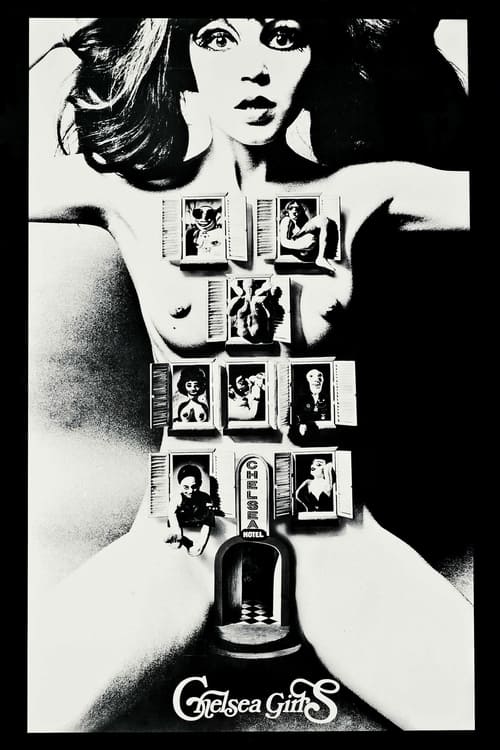
Chelsea Girls
1966
No user ratings available yet
Representation score: 8.3 out of 10

Representation Score
Excellent
1980
Director
Eric Mitchell
Runtime
85 minutes
Average Rating
No ratings yetNew Showbiz Analysis
Underground U.S.A. succeeds as a counter-cultural piece that rejects the polished, moralistic standards of mainstream cinema. By centering on the casualties of the star system, it finds value in the unconventional and those sidelined by mainstream society. The film's strength lies in its refusal to validate traditional hierarchies, particularly regarding gendered behavior and capitalist stability. It replaces conventional narrative cohesion with a raw, improvisational aesthetic that prioritizes subcultural authenticity. However, the film lacks significant racial and ethnic diversity within its subcultural focus. While it disrupts social norms, its scope is limited to the stylistic dynamics of the New York art elite.
Category Breakdown
The film centers on the New York underground art scene, which is closely tied to queer subcultures. It disrupts the assumption that everyone is straight by focusing on characters living on the fringes of mainstream social acceptance.
Patti Astor’s performance challenges traditional gender hierarchies through a statuesquely hysterical portrayal. Her character embodies women's ability to drive the story as a chaotic, expressive force rather than a submissive archetype.
The narrative focuses on a specific, somewhat homogeneous subculture within the New York loft scene. There is little evidence of significant racial or ethnic diversity within this underground elite.
The film critiques traditional Western institutions and the American Dream through a nihilistic lens. It uses camp and gritty urban realism to reject capitalist prosperity and formal social decorum.
Taylor Mead’s spastic dance introduces non-normative physical expressions into the film. While this challenges standardized cinematic bodies, it remains unclear if these portrayals give characters full control over their actions.
Present on Screen
Limited or Absent
Official Synopsis
The Sunset Blvd. of underground cinema, and a suitably ambivalent retrospect on the star-game casualties of New York's upper depths, with Patti Astor statuesquely hysterical as a 20-year-old Norma Desmond, made up to recall Edie Sedgwick and surrounded by Warhol's lost children. We've been here before, but without the hindsight: a camera cruise along a hustler's meat-rack, kitchen-talk over cold canned spaghetti, Taylor Mead grimacing in a spastic dance, the silent stud a sullenly passive observer. Mitchell's ear for campy native wit and eye for figures in a loft-scape happily keep at bay the otherwise contagious NY ennui.
1966
1989
1969
1961
1973
1962

1998
1977
No reviews yet. Be the first to share your thoughts on this movie!
Use the rating form above to leave a star rating and optional review.