MP Da Last Don
1998
No user ratings available yet
Diversity score: 5.4 out of 10
1975
RDirector
Lee Frost
Runtime
88 minutes
Average Rating
No ratings yetSynopsis
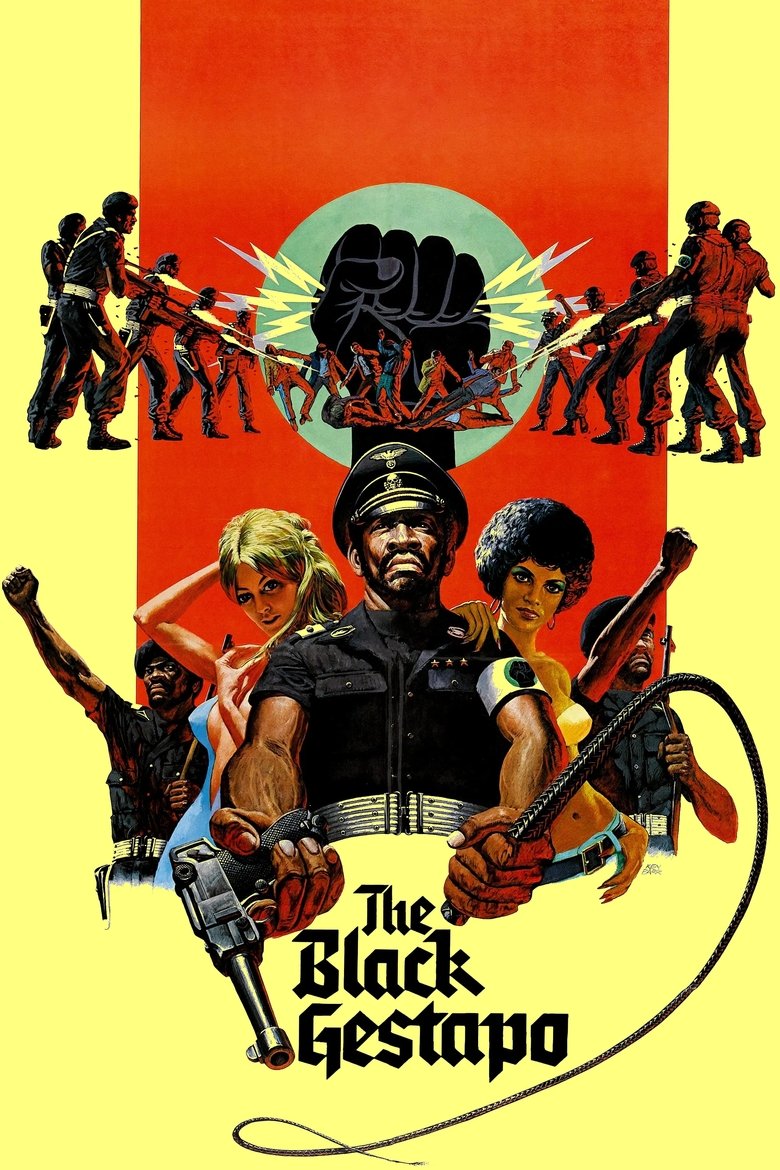
General Ahmed has started an inner-city People's Army to try and relieve the misery of the citizens of Watts. When the locals are put under increasing pressure by Mafia thugs, Ahmed's second-in-command Colonel Kojah asks for permission to start a protection squad to take more direct action. Ahmed fears this protection squad will just turn into a vigilante mob, and his prediction soon proves correct. Will Ahmed be able to wrest control back from the power-mad Kojah, or will he be the mob's next victim?
Overall Score
Fair
Category Breakdown
LGBTQ+ Representation
The film focuses entirely on paramilitary power struggles and organized crime. There is no evidence of non-cisnormative identities or same-sex intimacy.
Gender Representation
Authority is constructed through masculine-coded physical dominance. Women occupy secondary, peripheral roles that reinforce traditional gendered power dynamics.
Racial & Ethnic Diversity
The film centers a predominantly Black cast in roles of high agency. It disrupts 1970s casting norms by placing Black characters at the epicenter of systemic power.
Religious & Cultural Diversity
The narrative deconstructs Western institutional stability by depicting the breakdown of legal orders. It explores localized, non-Westernized power dynamics through the 'People's Army.'
Disability Representation
There is no discernible representation of physical or neurodivergent disabilities. Characters are defined solely by political maneuvering and violence.
Strengths
Areas for Improvement
AI Analysis
The film is a striking example of 1970s exploitation cinema that subverts racial hierarchies. By placing Black characters in positions of political and paramilitary leadership, it moves far beyond the tokenism common in that era. However, this progress in racial agency is offset by a lack of diversity in other areas. The narrative remains heavily tethered to masculine-coded tropes, leaving little room for gender diversity or LGBTQ+ representation. Ultimately, the film functions as a critique of centralized governance. It replaces traditional state authority with a volatile, localized power structure, making it a culturally significant, if narrow, social study.
1998
1977
1973
1988
1956
1974
1973

1979
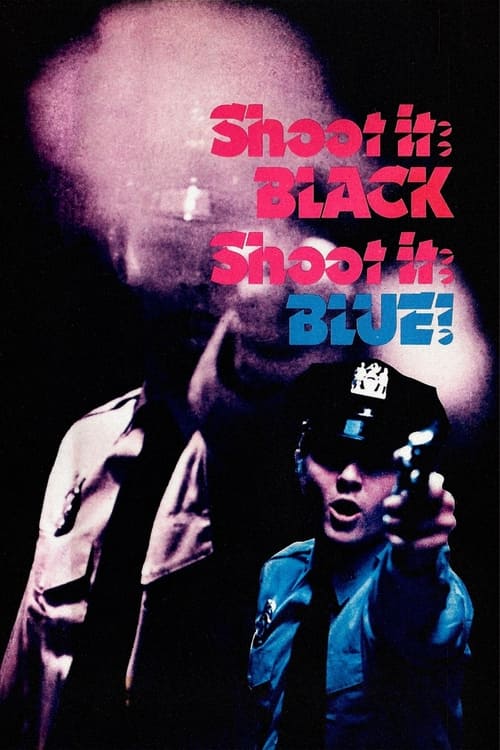
1974
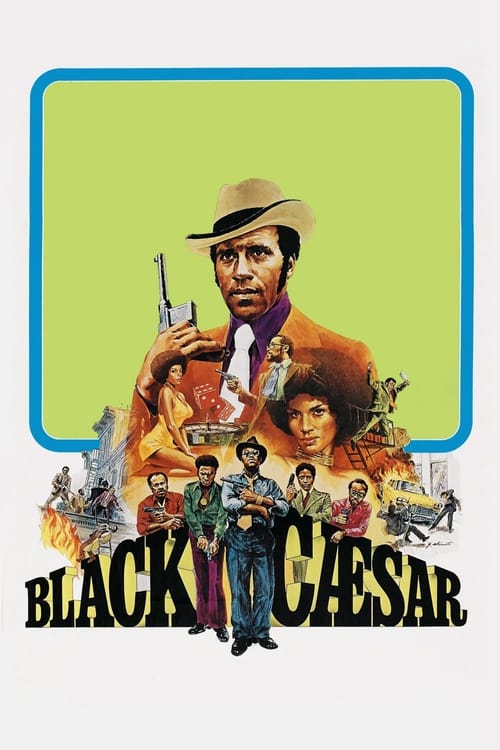
1973
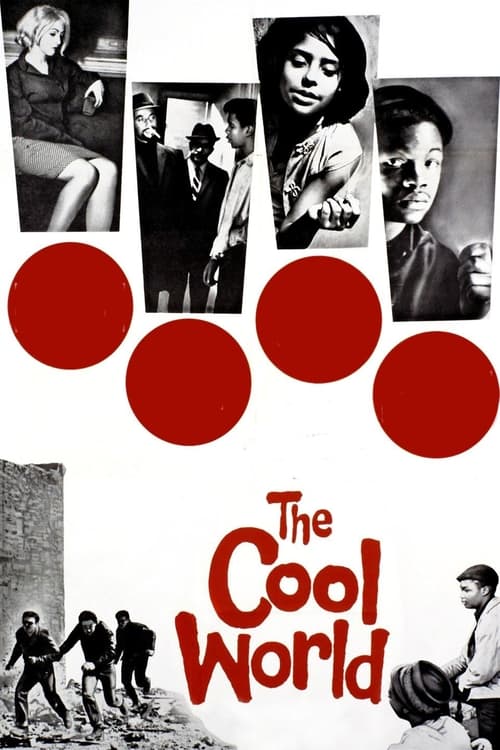
1964
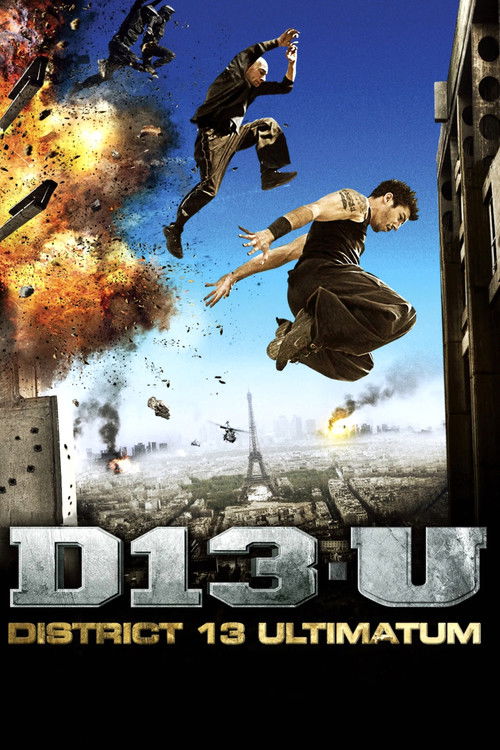
2009
No reviews yet. Be the first to share your thoughts on this movie!
Use the rating form above to leave a star rating and optional review.