The Mack
1973
No user ratings available yet
Representation score: 2.8 out of 10
Representation Score
Fair
1974
RDirector
Dennis McGuire
Runtime
93 minutes
Average Rating
No ratings yetNew Showbiz Analysis
Shoot It Black, Shoot It Blue is a gritty, realist exploration of systemic friction. It succeeds by repositioning the Black observer as the primary lens through which systemic injustice is examined, moving away from traditional heroic cop clichés. However, the film operates within a narrow demographic scope. The narrative is heavily focused on male characters and lacks representation for LGBTQ+ identities or female characters with meaningful roles. Ultimately, the film's strength lies in its social critique. It uses a racialized power imbalance to challenge the perceived sanctity of civic institutions and law enforcement.
Category Breakdown
The film does not include any explicit references to LGBTQ+ characters or themes. The story focuses mainly on racial and institutional conflicts.
The story revolves around interactions between male characters. There are no female characters with significant roles or challenges to gender hierarchies.
The film centers on a Black protagonist who challenges a white authority figure. This shifts the focus away from traditional crime stories by prioritizing a Black perspective over law enforcement.
The narrative critiques traditional Western institutions and frames police actions as criminal rather than legitimate exercises of authority. It questions the state's monopoly on violence.
There is no evidence of characters with physical or neurodivergent disabilities in the film.
Present on Screen
Limited or Absent
Official Synopsis
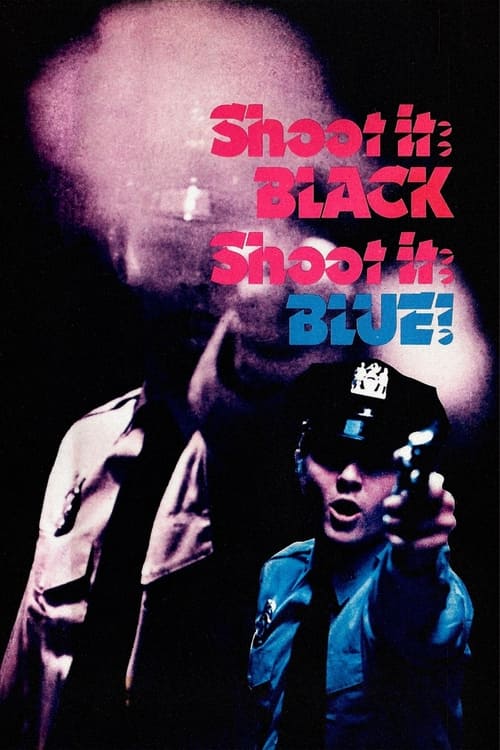
A white cop apprehends, then murders, a Black purse thief in the street. A Black film student witnesses the murder and begins surveilling the cop in his everyday life. Based on the novel "Shoot It" by Paul Tyner; filmed in Kansas City.
1973
1950
1963
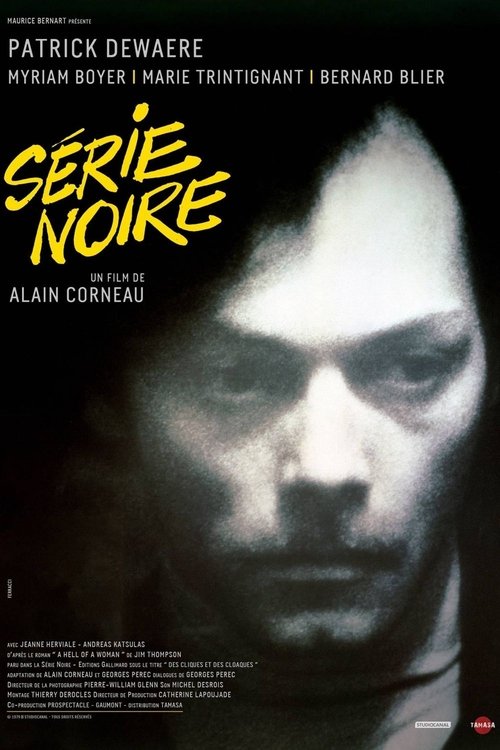
1979

1971
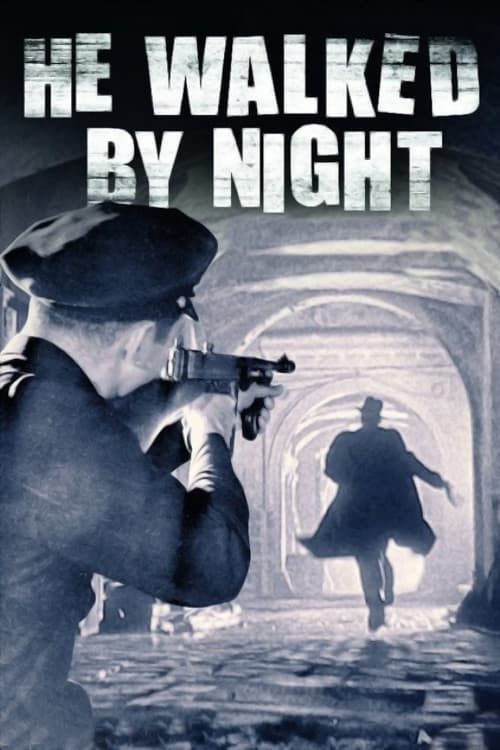
1949
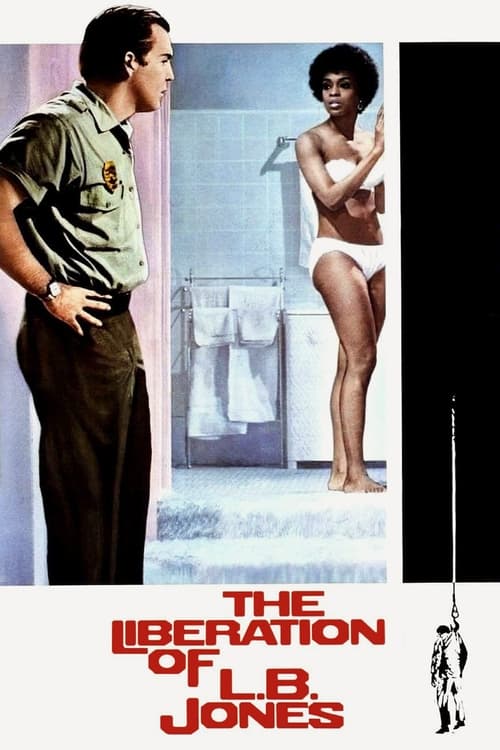
1970
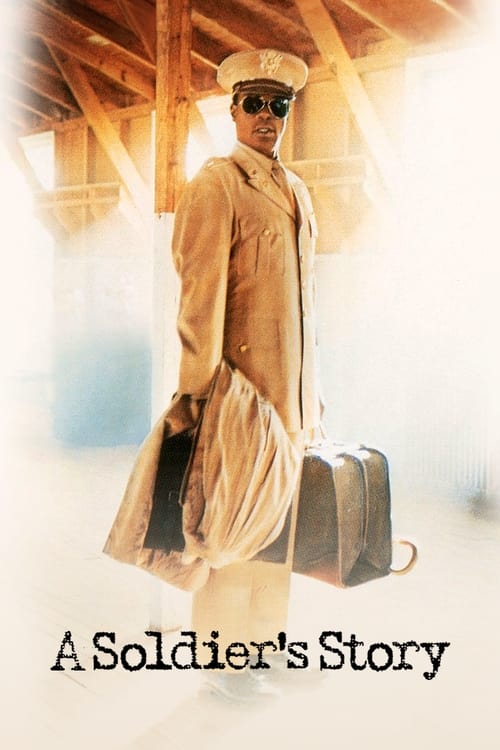
1984
No reviews yet. Be the first to share your thoughts on this movie!
Use the rating form above to leave a star rating and optional review.