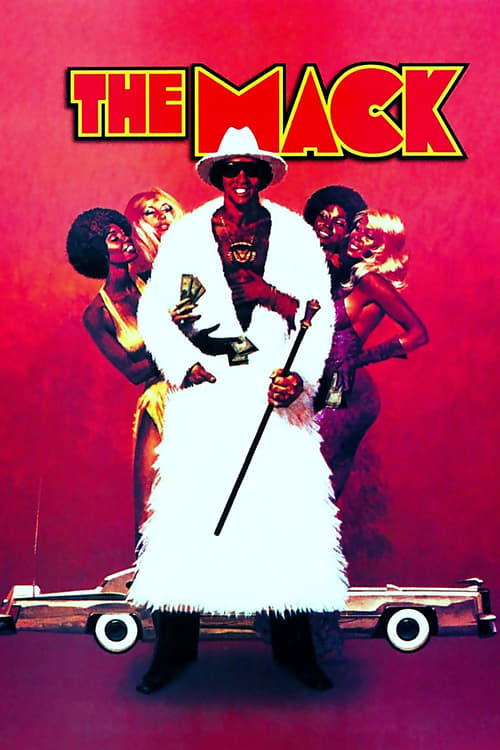
The Mack
1973
No user ratings available yet
Representation score: 2.8 out of 10
Representation Score
Fair
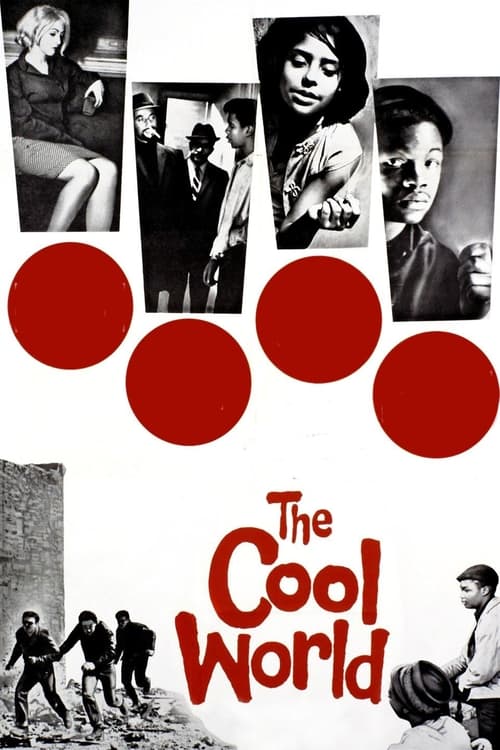
1964
Director
Shirley Clarke
Runtime
105 minutes
Average Rating
No ratings yetNew Showbiz Analysis
The Cool World stands out for its radical commitment to centering the Black experience in Harlem. By avoiding the outsider gaze common in the 1960s, the film presents a sophisticated, ability to act-driven portrait of urban youth navigating socioeconomic stratification. However, the film is heavily constrained by the patriarchal social structures of its era. The narrative is dominated by masculine struggles for status, leaving female characters in secondary, catalytic roles and offering no visibility for LGBTQ+ identities. Ultimately, the film's strength lies in its systemic critique. It treats the characters' actions not as inherent moral failings, but as complex responses to the institutional frameworks that shape their environment.
Category Breakdown
The film focuses on the hyper-masculine hierarchies of urban gang culture. There is no evidence of diverse gender identities or same-sex relationships within the narrative.
The story operates within a male-dominated framework where power is defined by physical strength. Female characters act as emotional stabilizers rather than central drivers of the plot.
The film features an almost exclusively Black cast, granting high ability to act to its protagonists and presenting their lives as a central reality.
The narrative critiques systemic structures by framing gang activity as a logical response to an oppressive environment. It prioritizes systemic analysis over traditional Western moralities.
There are no prominent depictions of physical or neurodivergent disabilities serving as central character arcs or plot devices.
Present on Screen
Limited or Absent
Official Synopsis
A fifteen-year-old boy wants to buy a gun from an adult racketeer named Priest, in order to become president of the gang to which he belongs, and to return them to active "bopping" (gang fighting) which has declined in Harlem.
1973
1950

1959

1979
1937

2019
1942
1958
No reviews yet. Be the first to share your thoughts on this movie!
Use the rating form above to leave a star rating and optional review.