
Sweet Sweetback's Baadasssss Song
1971
No user ratings available yet
Representation score: 5.5 out of 10
Representation Score
Limited
1973
RDirector
Larry Cohen
Runtime
95 minutes
Average Rating
No ratings yetNew Showbiz Analysis
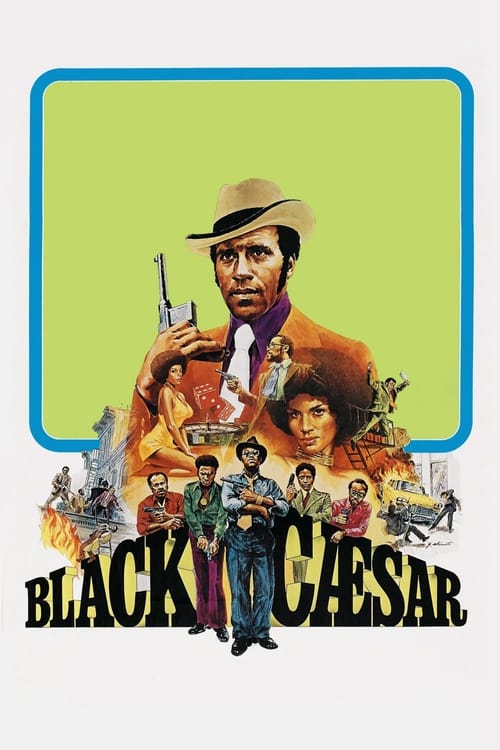
Black Caesar is a powerful example of Blaxploitation that breaks Hollywood's historical homogeneity. By centering Black protagonists in positions of systemic power, the film provides a rare platform for Black-led storytelling and ability to act. However, the film remains deeply traditional in its gender dynamics. It reinforces a male-centric hierarchy where women occupy minimal, passive roles, offering little challenge to conventional masculine leadership. Ultimately, the film's strength lies in its cultural critique. It uses the crime genre to challenge the legitimacy of Western legal structures and the limited opportunities available to underrepresented communities.
Category Breakdown
The film follows a structure that assumes everyone is straight and cisgender. There are no LGBTQ+ characters or explorations of non-traditional gender identities present.
The narrative focuses on male-driven power struggles. Female characters play minor, passive roles, serving as supporting elements rather than central figures.
The film features an almost entirely Black cast, providing a significant role in driving the story to Black protagonists who drive the plot through strategic ambition.
The story critiques corrupt law enforcement and socioeconomic limitations faced by underrepresented communities. It portrays the protagonist's actions as a pragmatic pursuit of autonomy outside traditional institutions.
There are no significant depictions of physical or neurodivergent disabilities within the primary narrative arc.
Present on Screen
Limited or Absent
Official Synopsis
Raised in Harlem, Tommy Gibbs becomes a successful mob boss but he clashes with the rival Mafia and his old enemy, dirty cop McKinney.
1971
1973
1973
1983
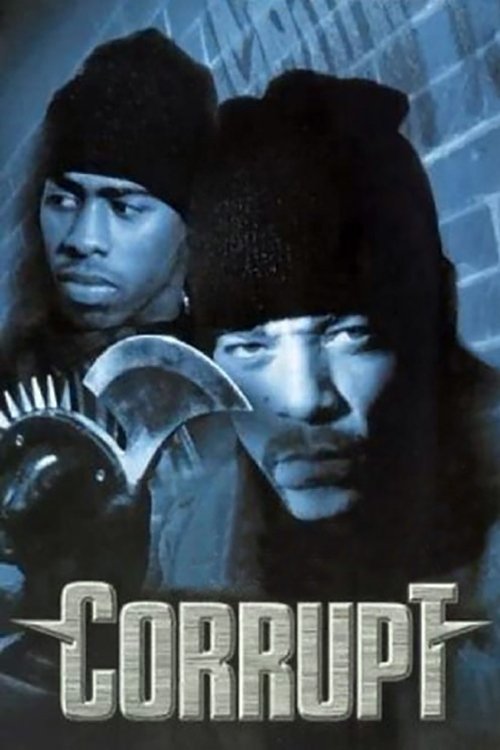
1999
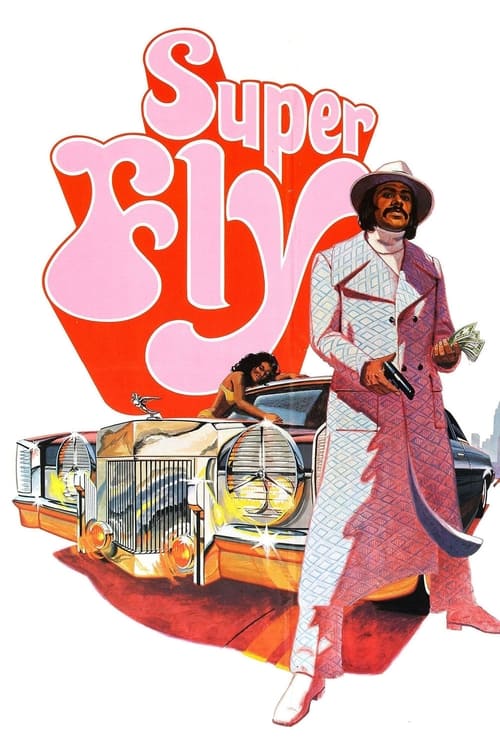
1972
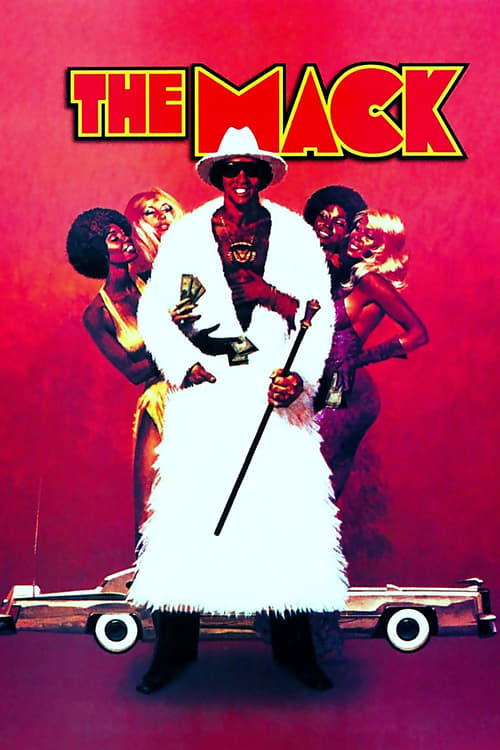
1973
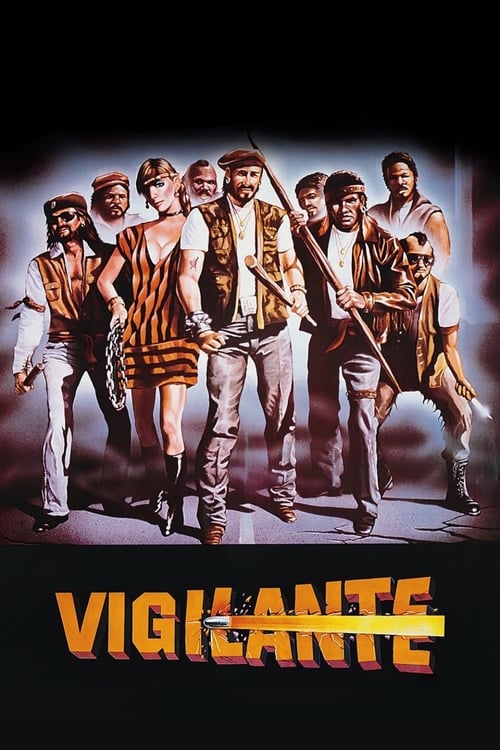
1983
No reviews yet. Be the first to share your thoughts on this movie!
Use the rating form above to leave a star rating and optional review.