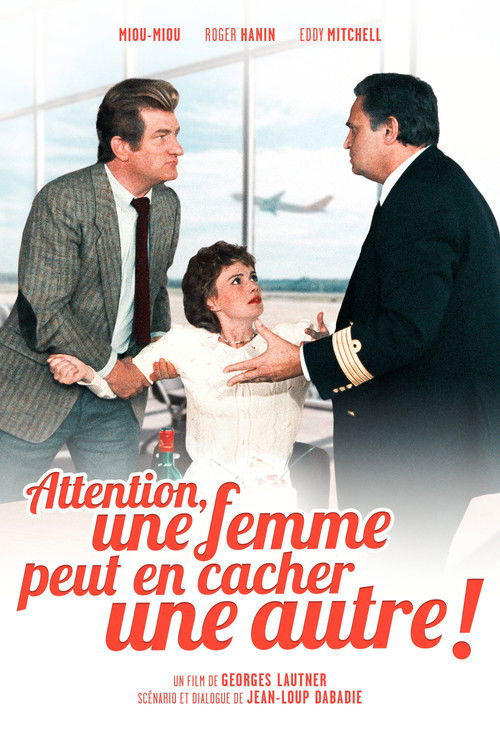
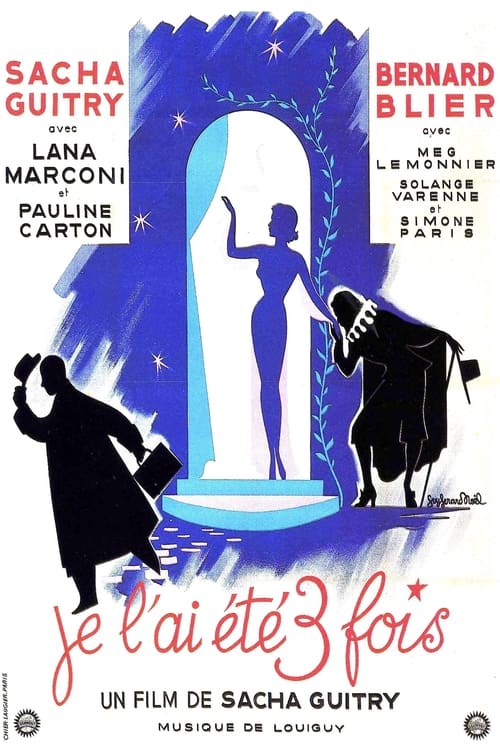
My Other Husband
1983
No user ratings available yet
Representation score: 3.3 out of 10
Representation Score
Minimal
1952
Director
Sacha Guitry
Runtime
78 minutes
Average Rating
No ratings yetNew Showbiz Analysis
Sacha Guitry’s comedy examines the cyclical nature of romantic betrayal through a protagonist struggling to maintain control within a domestic setting. The film serves as a mid-century critique of the traditional family unit and marital stability. However, it lacks modern multi-layered depth, being heavily influenced by its 1952 production era and classical comedic structures.
Category Breakdown
The film focuses solely on heterosexual marriages and divorces, with no representation of LGBTQ+ identities or perspectives.
It uses traditional gender roles and conflicts related to marital deception. However, the protagonist's struggles to control his environment may subtly challenge the stable patriarch archetype.
The film reflects the homogeneous social structures typical of mid-century French society, showing minimal diversity in race and ethnicity.
The story deconstructs the traditional family unit by focusing on infidelity and divorce, remaining centered within a traditional European social framework.
There is no mention of characters dealing with physical or neurodivergent conditions.
Present on Screen
Limited or Absent
Official Synopsis
A husband who had divorced twice because he had been betrayed by his former wives, takes his precautions to prevent the deed from happening a third time. And yet it does.
1983
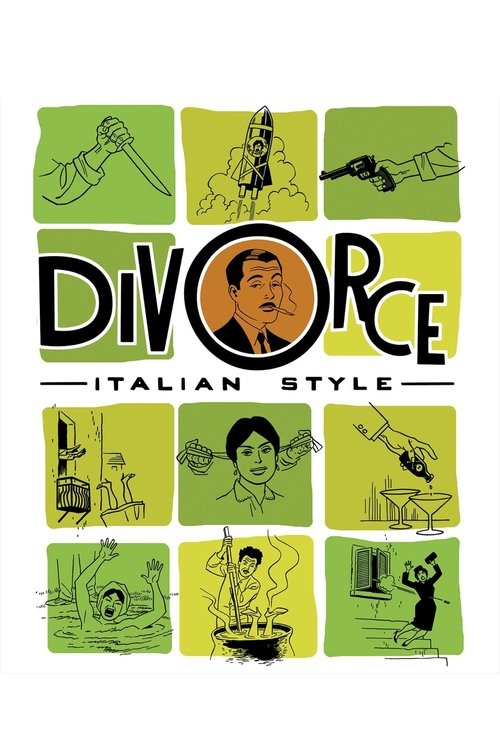
1961
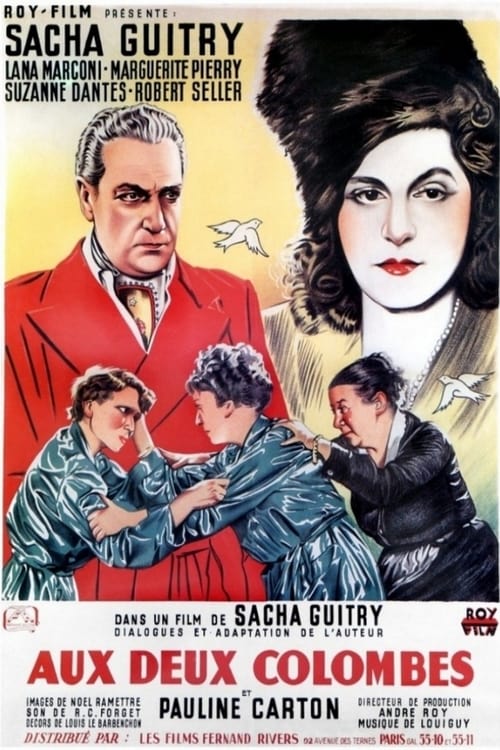
1949
1948
1975
1938

1962
1976
No reviews yet. Be the first to share your thoughts on this movie!
Use the rating form above to leave a star rating and optional review.