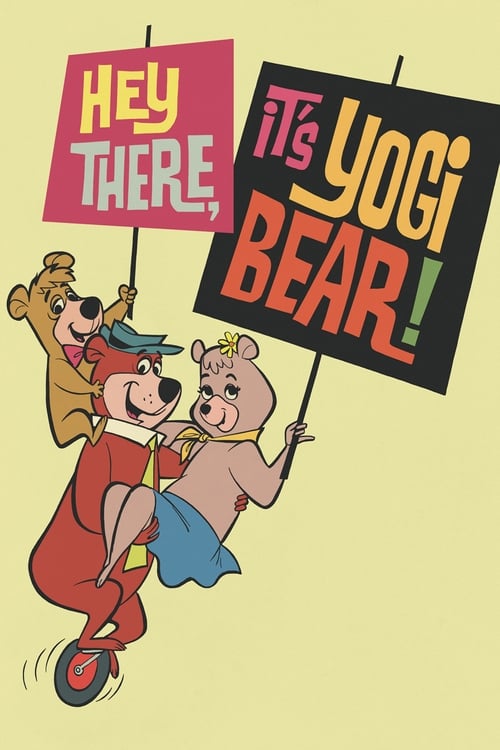
Hey There, It's Yogi Bear!
1964
No user ratings available yet
Representation score: 0.9 out of 10
Representation Score
Minimal
1972
Director
Joseph Barbera, William Hanna
Runtime
45 minutes
Average Rating
No ratings yetNew Showbiz Analysis
Yogi's Ark Lark is a traditional adventure comedy that focuses on character-driven escapism rather than social critique. While it offers a mild environmentalist theme, the film remains rooted in the commercial formulas of its era. The narrative lacks meaningful representation of diverse identities, such as LGBTQ+, racial, or disability-based experiences. It relies on established comedic formulas rather than challenging social hierarchies. Ultimately, the film presents a homogeneous group of characters, reflecting the standard anthropomorphic storytelling of the 1970s.
Category Breakdown
The film features an entirely anthropomorphic cast without any depiction of LGBTQ+ identities or subtext. Character dynamics follow traditional heterosexual relationships typical of the 1970s.
The ensemble is heavily male-centric, led by well-known male characters like Yogi Bear. The narrative lacks significant roles for women and does not challenge traditional gender hierarchies.
Using animal characters, the film avoids human racial identifiers and stereotypes. However, it also misses opportunities to represent diverse human identities and varied cultural backgrounds.
The story reinterprets the religious 'Ark' motif as a vessel for environmentalism. It offers a mild critique of industrial modernity and human-centric social structures.
There is no representation of physical or neurodivergent disabilities. Characters are shown as fully able-bodied throughout the film.
Present on Screen
Limited or Absent
Official Synopsis
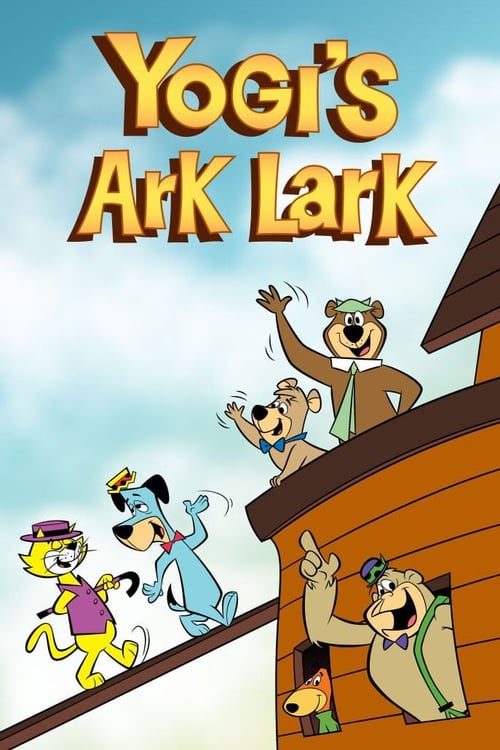
Yogi, Boo Boo and many of his friends including Huckleberry Hound, Snagglepuss, Magilla Gorilla among others decide to build an ark to look for the mythical Perfect Place which is peaceful and hasn't been affected by man and pollution. They hire the Jellystone's janitor Noah Smith to act as captain and travel throughout the world looking for such a place. Even though they think every place they land is a "Perfect place", they soon find out that there is definitely no place like home.
1964

1977
1987
1978

1987

2010

1979

1960
No reviews yet. Be the first to share your thoughts on this movie!
Use the rating form above to leave a star rating and optional review.