Snoopy Loopy
1960
No user ratings available yet
Representation score: 1.8 out of 10
Representation Score
Minimal
1961
ApprovedDirector
Joseph Barbera, William Hanna
Runtime
7 minutes
Average Rating
No ratings yetNew Showbiz Analysis
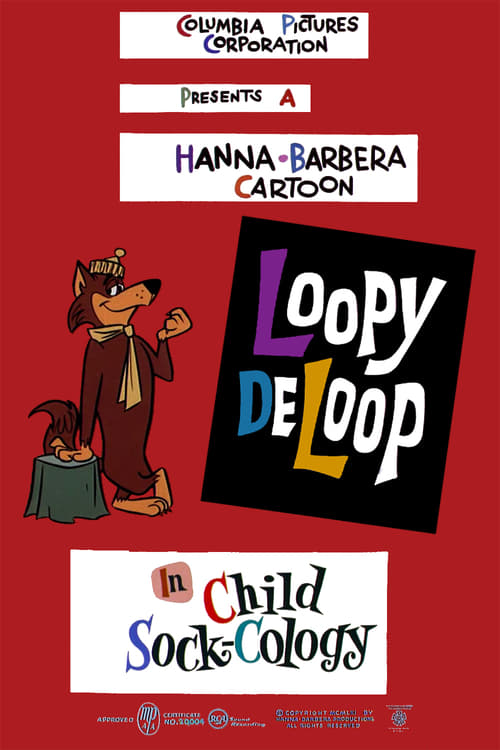
Child Sock-Cology is a mid-century animated short that emphasizes slapstick humor over character development. The narrative centers on the predictable theme of an animal encounter, focusing on the relationship between Loopy and a displaced gorilla infant. Since the film adheres to the traditional animation standards of 1961, it lacks complexity in reflecting multiple aspects of identity. The storytelling is focused on maintaining established institutions like the zoo. Overall, the film serves as a straightforward comedic piece that avoids social or identity-based themes, leading to a narrow demographic focus.
Category Breakdown
The film does not include any LGBTQ+ characters or stories about non-cisgender identities. The plot revolves around the interactions between Loopy and a gorilla infant.
The story focuses on a single main character, Loopy. There is no depiction of non-traditional gender roles or dynamics.
The plot lacks a diverse range of human characters or ethnic backgrounds. It follows a conventional storyline centered on a character and a non-human animal.
The story emphasizes restoring order by returning a creature to a zoo. It does not explore any deconstructive themes and instead favors a traditional, restorative narrative arc.
There is no information available about the portrayal of physical or neurodivergent disabilities in this work.
Present on Screen
Limited or Absent
Official Synopsis
Loopy encounters a lost giant gorilla baby and brings him back to the zoo.
1960
1956
1953
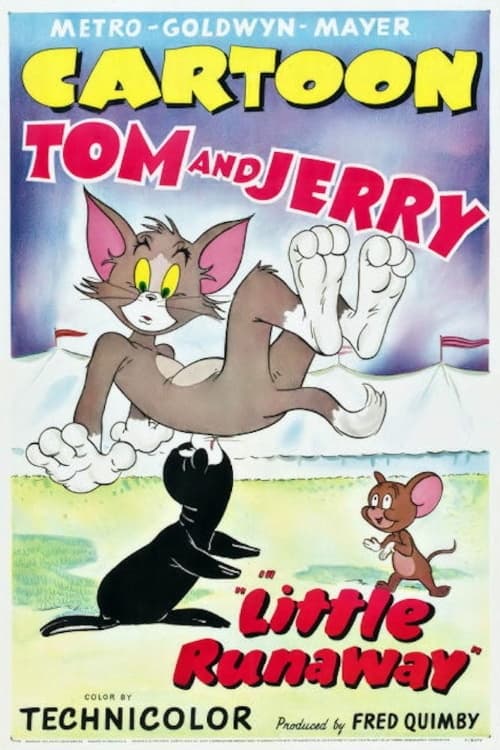
1952

1943
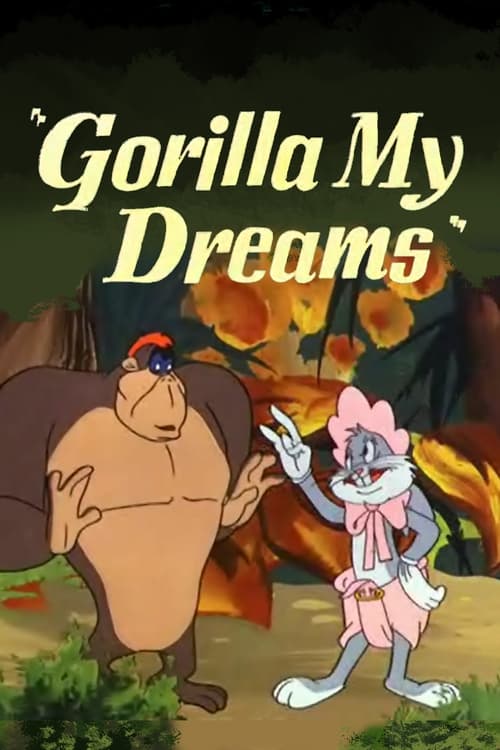
1948
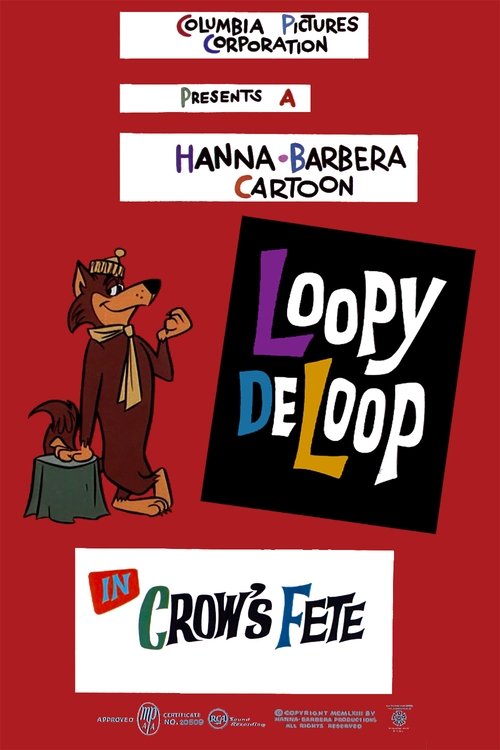
1965
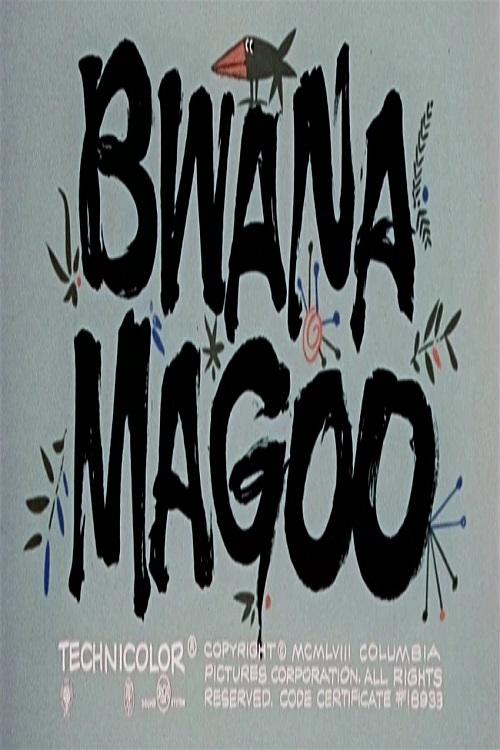
1959
No reviews yet. Be the first to share your thoughts on this movie!
Use the rating form above to leave a star rating and optional review.