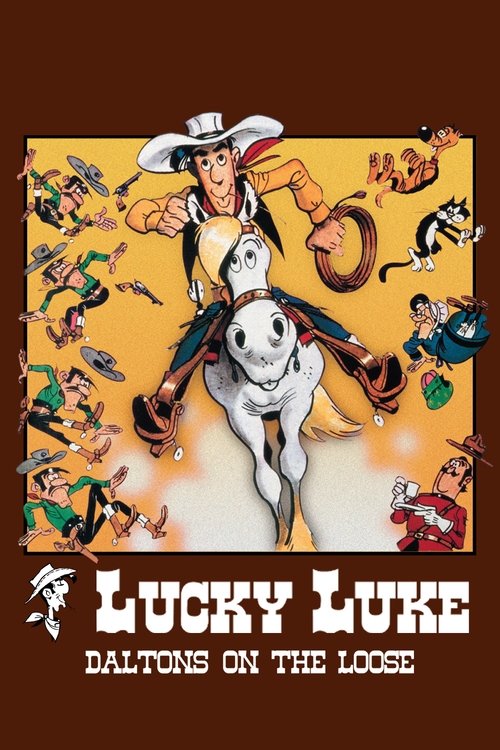
Lucky Luke: Daltons on the Loose
1983
No user ratings available yet
Representation score: 1.8 out of 10

Representation Score
Limited
1988
Not RatedDirector
Ray Patterson
Runtime
93 minutes
Average Rating
No ratings yetNew Showbiz Analysis
This animated Western serves as a tribute to the traditional Western genre, relying heavily on established clichés of the Wild West. The storytelling emphasizes individualist heroism and conventional social hierarchies over progressive themes. The film does not aim to challenge traditional norms and instead offers a standard episodic experience that aligns with the conservative storytelling conventions of late 20th-century television animation. Overall, the narrative structure reinforces the stability of the frontier social order through its focus on property, law, and masculine archetypes.
Category Breakdown
The film adheres to a traditional Western adventure format without showing any non-binary gender identities or same-sex relationships. The character dynamics emphasize conventional masculine roles.
Male characters dominate the narrative, such as Huckleberry Hound and the Dalton brothers. The story revolves around traditionally masculine pursuits like boxing and poker, with little involvement from female characters.
Set during the Gold Rush era, the film uses animal characters instead of human actors to avoid addressing multi-layered identities. It focuses on typical Gold Rush themes without challenging demographic uniformity.
The story upholds traditional Western institutions like the legal system and private property. It highlights individualist goals and straightforward morality within a frontier society.
There is no representation of physical or neurodevelopmental disabilities. Characters are portrayed through standard comedic roles without disability playing a significant role in the narrative.
Present on Screen
Limited or Absent
Official Synopsis
It's the gold rush era in the Wild West. A mysterious stranger (Huckleberry Hound) arrives in a small desert town carrying a huge golden nugget. The notorious Dalton brothers steal it. The town asks "the stranger" to go after them.
1983
1975
2007
1979
1972
2004
1969
1939
No reviews yet. Be the first to share your thoughts on this movie!
Use the rating form above to leave a star rating and optional review.