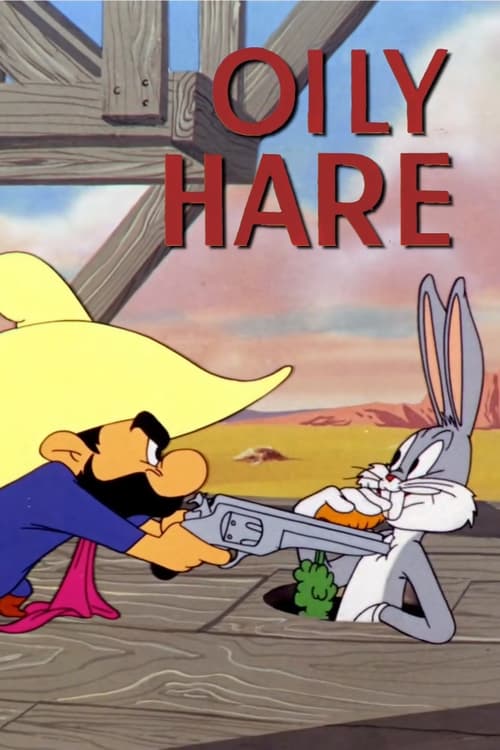
Oily Hare
1952
No user ratings available yet
Diversity score: 3.2 out of 10
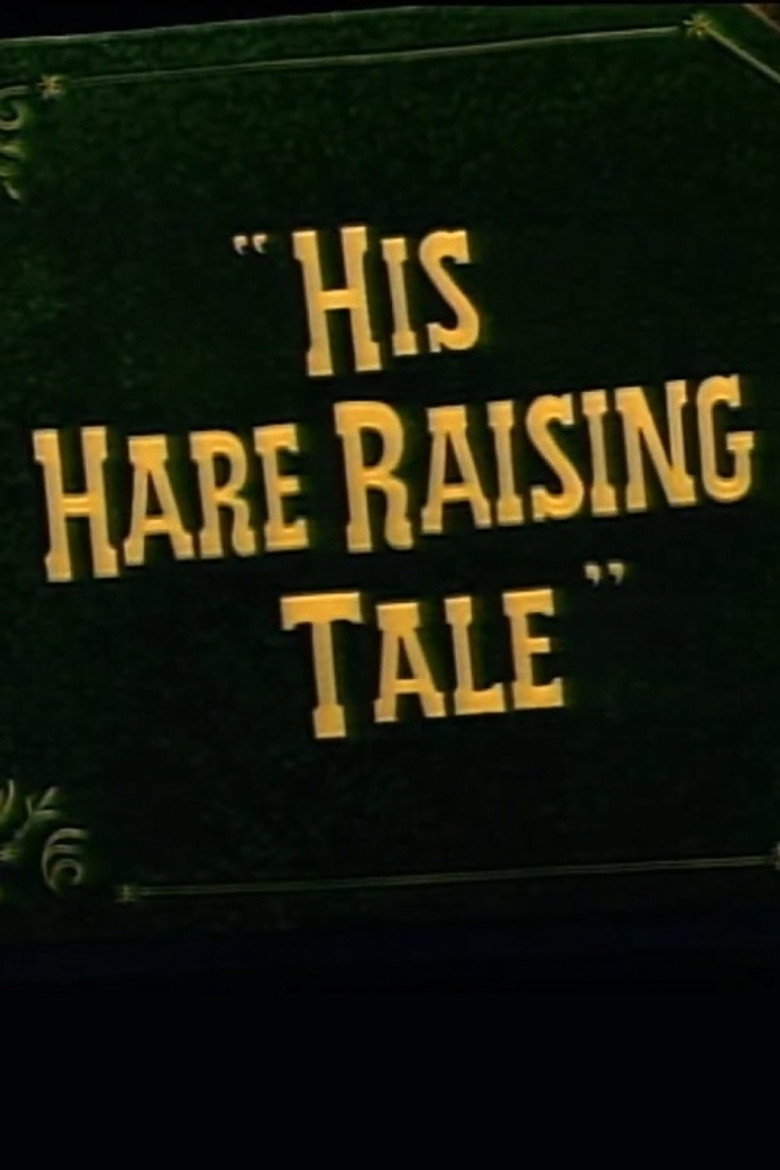
1951
NRDirector
Chuck Jones, Friz Freleng, Robert Clampett
Runtime
7 minutes
Average Rating
No ratings yetSynopsis
Bugs tells stories to his nephew Clyde derived from earlier cartoons ("Baseball Bugs", "Stage Door Cartoon", "Rabbit Punch", "Falling Hare", and "Haredevil Hare").
Overall Score
Limited
Category Breakdown
LGBTQ+ Representation
The film operates within a heteronormative framework typical of 1950s animation. There is no evidence of non-cisnormative identities or same-sex intimacy.
Gender Representation
Female characters often occupy secondary or reactionary roles within these segments. While Bugs Bunny uses wit to subvert masculine dominance, the broader hierarchy reinforces conventional roles.
Racial & Ethnic Diversity
The content reflects the homogeneous casting standards of the early 1950s studio system. There is no indication of intentional intersectional representation or non-white majority casts.
Religious & Cultural Diversity
The narrative celebrates individualistic wit and slapstick rebellion against authority. These escapades focus on situational humor rather than complex ideological or secularist frameworks.
Disability Representation
Physical comedy in this era often relies on exaggerated movements that can mirror tropes regarding impairment. There is a lack of nuanced, agency-driven disability representation.
Strengths
Areas for Improvement
AI Analysis
His Hare Raising Tale functions as a meta-narrative anthology, using Bugs Bunny to recount previous adventures. Because it compiles existing Looney Tunes segments, the film relies heavily on established mid-century animation tropes and character archetypes. The work is deeply embedded in the traditionalist standards of 1951. The narrative structure reinforces established comedic hierarchies rather than attempting to disrupt social norms or provide diverse perspectives. Ultimately, the film serves as a historical snapshot of classic American slapstick, prioritizing high-energy humor over social complexity or inclusive representation.
1952
1958
1955
1945
1947
1941
1959
1938
1944
1965
1960

1942
No reviews yet. Be the first to share your thoughts on this movie!
Use the rating form above to leave a star rating and optional review.