The Last Hungry Cat
1961
No user ratings available yet
Diversity score: 1.4 out of 10
1957
NRDirector
Friz Freleng
Runtime
7 minutes
Average Rating
No ratings yetSynopsis
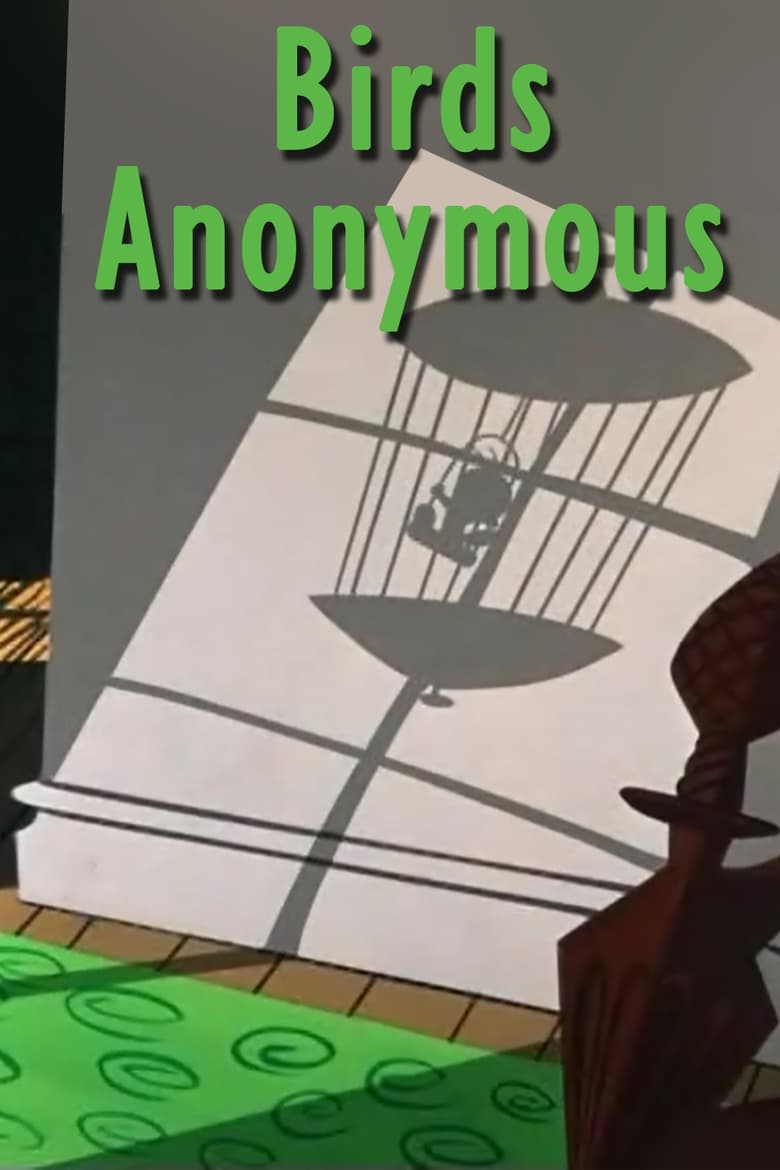
In this spoof of Alcoholics Anonymous, pussycats are cast as bird-eating addicts and go through the 12-step process to deal with their addiction. Sylvester, who could never quite get the best of the object of his desire, Tweety Bird, joins and resolves to quit chasing and eating the canary.
Overall Score
Minimal
Category Breakdown
LGBTQ+ Representation
The film focuses exclusively on the predatory relationship between Sylvester and Tweety. No non-cisnormative identities or same-sex intimacy are present in the narrative.
Gender Representation
Anthropomorphic characters drive the comedy, bypassing traditional gender hierarchies. However, the characters lack gendered agency or social roles beyond their biological archetypes.
Racial & Ethnic Diversity
The cast consists entirely of non-human, anthropomorphic animals. The film does not engage with racial diversity or metaphorical species-based diversity.
Religious & Cultural Diversity
The story parodies the Western 12-step recovery model through slapstick humor. It reinforces mid-century American social models without challenging underlying cultural values.
Disability Representation
Addiction serves as a comedic metaphor for behavioral struggles. While Sylvester seeks help, the portrayal leans toward caricature rather than nuanced representation of mental health.
Strengths
Areas for Improvement
AI Analysis
Birds Anonymous is a mid-century comedic parody centered on the 12-step recovery process. The narrative architecture prioritizes slapstick conflict between a predator and prey over any exploration of identity or systemic social dynamics. The film operates within a homogeneous environment of anthropomorphic animals, which precludes racial or ethnic diversity. It relies on established social tropes of the 1950s to drive its humor. Ultimately, the film lacks the intentionality required to address intersectional depth or disrupt conventional social hierarchies, functioning instead as a character-driven satire of a specific Western institution.
1961
1954
1954
1953
1955
1949
1950
1948
1948
1940
1953
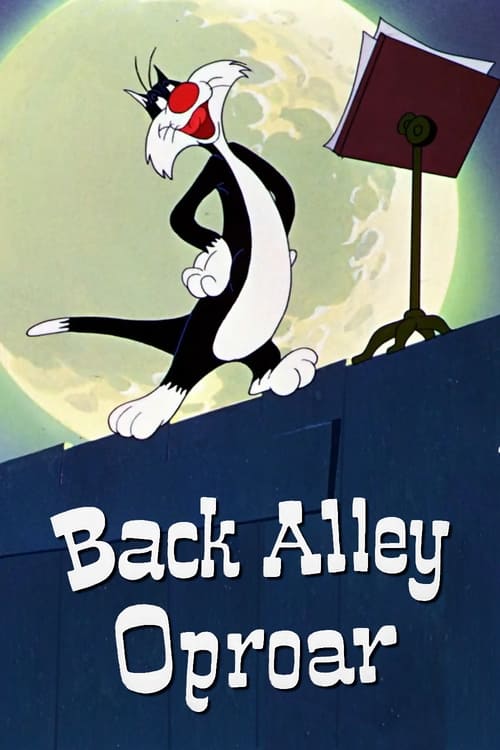
1948
No reviews yet. Be the first to share your thoughts on this movie!
Use the rating form above to leave a star rating and optional review.