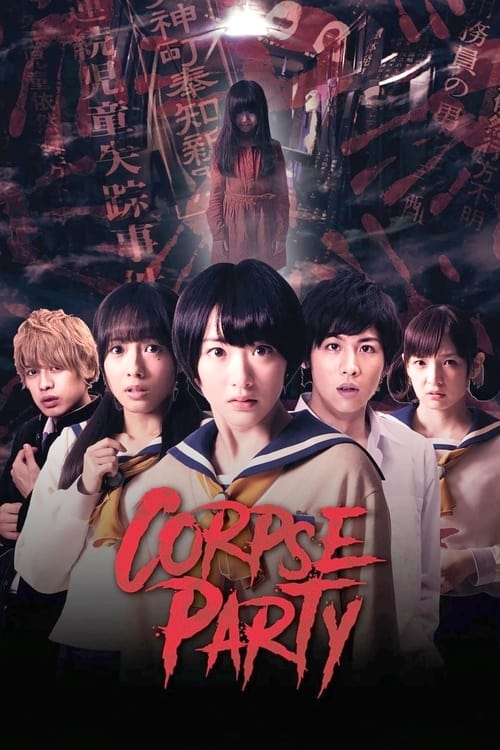
Corpse Party
2015
No user ratings available yet
Representation score: 3.5 out of 10
Representation Score
Limited
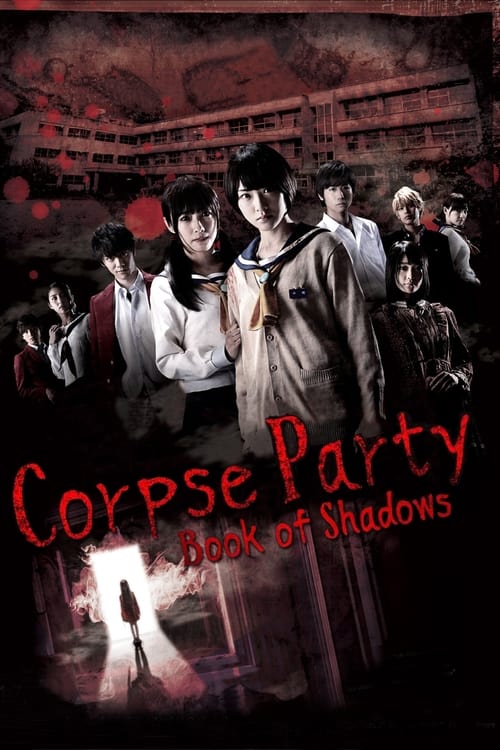
2016
NC-17Director
Masafumi Yamada
Runtime
86 minutes
Average Rating
No ratings yetNew Showbiz Analysis
Corpse Party: Book of Shadows is a localized horror film that emphasizes supernatural survival over social issues. The film adheres strictly to J-Horror clichés, focusing on immediate terror in a ritualistic setting. While the film features a central female protagonist, it does not intentionally represent multiple aspects of diversity. The narrative structure revolves around group dynamics and situational horror rather than deconstructing identity or systemic frameworks. Ultimately, the film serves as a traditional horror experience. It does not aim to disrupt social hierarchies or engage with diverse social identities, maintaining a narrow demographic focus.
Category Breakdown
The film centers on the survival of students and does not include any characters with non-traditional gender identities or narratives that question the assumption that everyone is straight or cisgender.
Naomi is a key character who plays a significant role in driving the story. However, the film relies on traditional horror stereotypes without challenging established gender roles.
The cast is primarily Japanese, reflecting the cultural context of the film. The movie does not use diverse casting to challenge traditional demographic norms.
The story incorporates Japanese folklore and ritualistic themes. It does not prioritize secularism or broader societal critiques.
Characters frequently face physical trauma due to the genre. There are no nuanced portrayals of characters with disabilities or neurodivergence.
Present on Screen
Limited or Absent
Official Synopsis
To bring back her dead friends, high school student Naomi (Rina Ikoma) goes back to the elementary school where a tragedy took place. She becomes involved in a new incident.
2015
1999
2011
2000
1998
2014
2014
2015
No reviews yet. Be the first to share your thoughts on this movie!
Use the rating form above to leave a star rating and optional review.