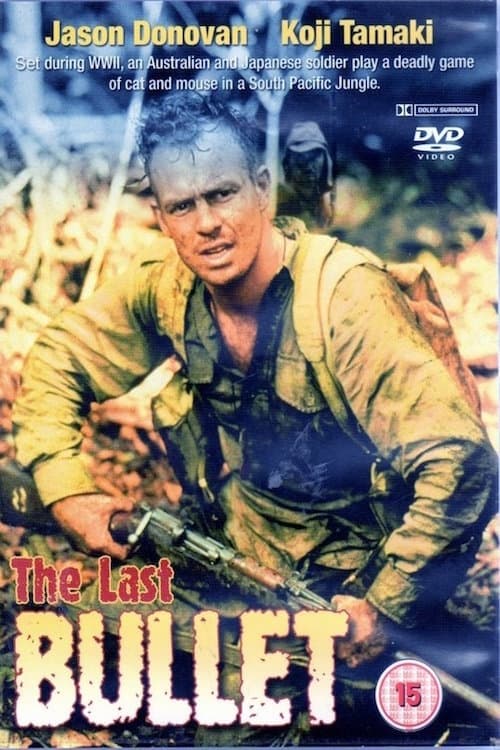
The Last Bullet
1995
No user ratings available yet
Representation score: 2.9 out of 10
Representation Score
Minimal
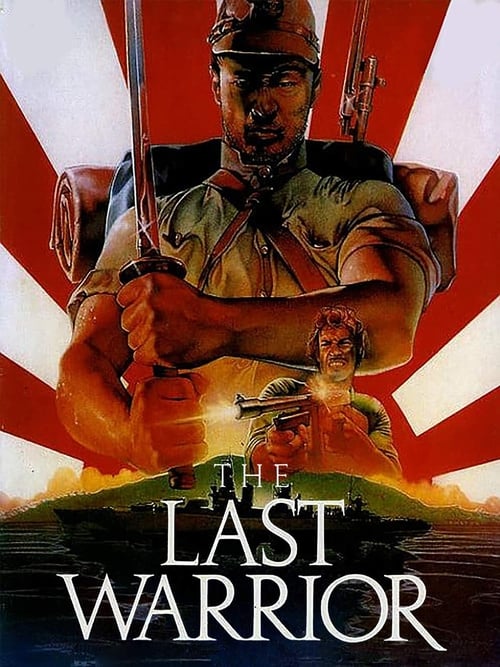
1989
RDirector
Martin Wragge
Runtime
94 minutes
Average Rating
No ratings yetNew Showbiz Analysis
The Last Warrior functions as a conventional wartime drama, prioritizing the historical conflict of the Second World War over diverse storytelling. The narrative is built around a bilateral combat structure between an American and a Japanese soldier. Because the focus remains on a microcosm of combat, the film lacks depth in terms of diverse identities or social critique. It adheres to established genre clichés rather than disrupting them through nuanced character arcs or systemic deconstruction. Ultimately, the film's narrow scope limits its ability to engage with broader social dynamics, resulting in a narrative that reflects the traditional cinematic perspectives of its era.
Category Breakdown
The film does not depict any non-straight relationships or identities. It focuses solely on the traditional dynamic between two male combatants.
The story centers exclusively on male soldiers, with no visible women's ability to drive the story or challenge to gender hierarchies.
The film presents a binary racial conflict between American and Japanese characters. This provides cross-cultural interaction but relies on established wartime clichés.
The setting pits Western and non-Western interests against each other. The structure follows standard nationalist frameworks rather than deconstructing them.
There is no information available regarding the portrayal of physical or neurodivergent conditions in this film.
Present on Screen
Limited or Absent
Official Synopsis
Stranded on a deserted Pacific island during the Second World War an American and Japanese soldier battle it out in this exciting war-time drama.
1995
1968
1965
1959

1969

1983
1953
1958
No reviews yet. Be the first to share your thoughts on this movie!
Use the rating form above to leave a star rating and optional review.