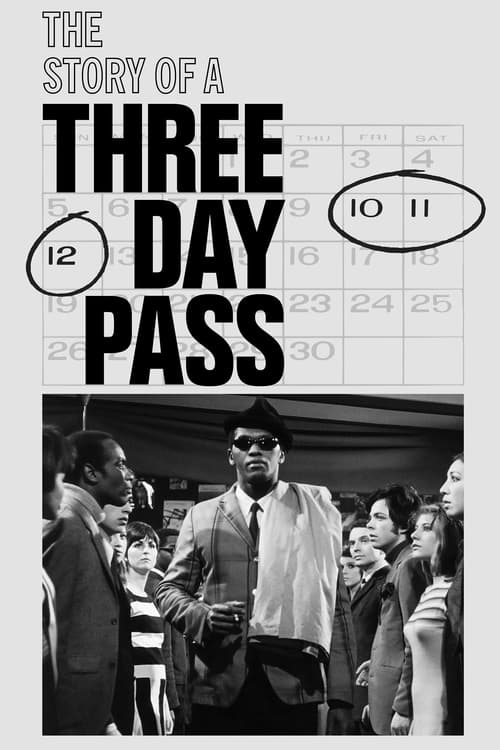
The Story of a Three-Day Pass
1968
No user ratings available yet
Diversity score: 6.1 out of 10

1979
PGDirector
Robert L. Collins
Runtime
102 minutes
Average Rating
No ratings yetSynopsis
Emilio Mendez is a 17-year-old Chicano man in California comes to realize that the gang life is not what he really wants but doesn't know how to get out. Robby Benson plays a young gang member in Los Angeles who begins to question himself when Mendez meets and starts to fall for a White girl who encourages him to try and leave. Emilio, with great pride in his Native Mexican heritage, suffers a further identity crisis upon meeting his father, a European-American who got his Brown mother pregnant when she was just 16.
Overall Score
Fair
Category Breakdown
LGBTQ+ Representation
The film lacks LGBTQ+ characters or narratives. The romantic arc focuses entirely on a heterosexual pairing without queer subtext.
Gender Representation
The story centers on patriarchal tensions between father and son. The female lead functions primarily as a catalyst for the protagonist's growth.
Racial & Ethnic Diversity
The film excels by centering Chicano identity and the complexities of biraciality. It provides a nuanced look at how heritage and colonial blending shape agency.
Religious & Cultural Diversity
The narrative critiques systemic socioeconomic barriers and urban limitations. It prioritizes the protagonist's personal truth over traditional institutional or religious morality.
Disability Representation
There are no visible or invisible disabilities central to the character arcs or the plot progression.
Strengths
Areas for Improvement
AI Analysis
Walk Proud is a significant piece of independent cinema that challenges Hollywood hierarchies by centering Chicano and Black urban experiences. It moves beyond standard hero tropes to explore the internal identity crises of marginalized individuals. While the film lacks LGBTQ+ or disability representation, it offers a sophisticated handling of racial identity. It successfully disrupts monolithic minority portrayals by exploring the friction of biracial heritage. Ultimately, the film's strength lies in its critique of systemic socioeconomic barriers and its focus on the subjective experience of navigating urban life.
1968
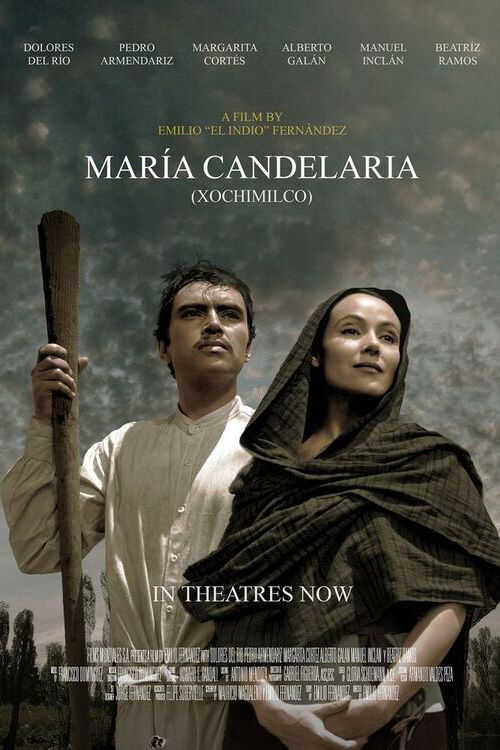
1944
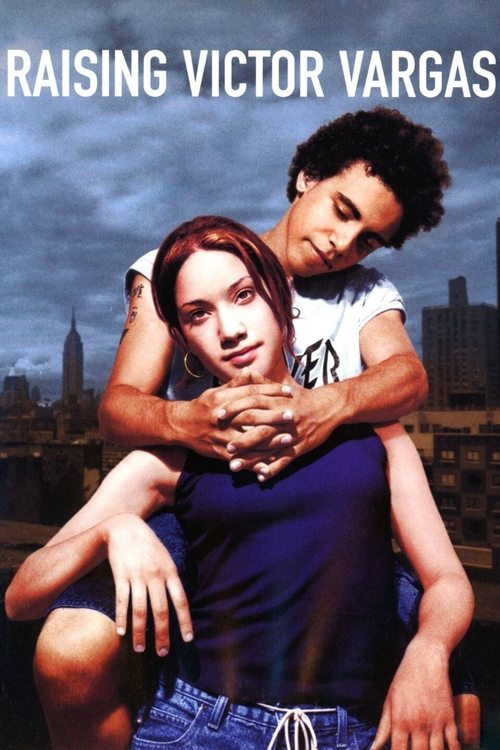
2003

2002
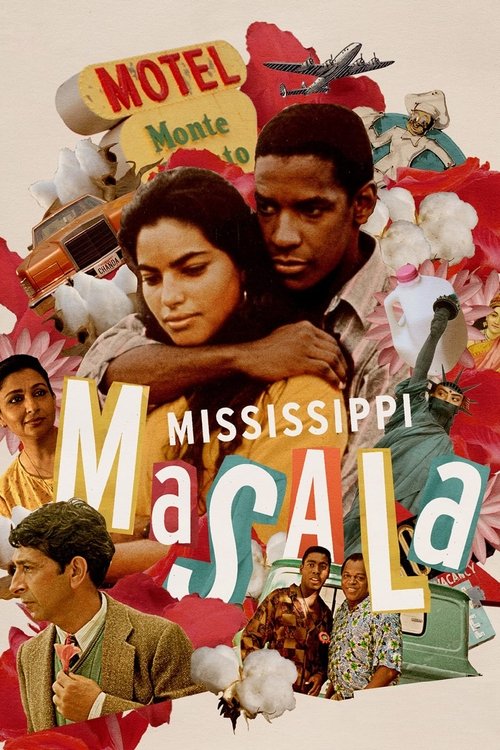
1991

1996

2020

1979
1992
1993

1969

2001
No reviews yet. Be the first to share your thoughts on this movie!
Use the rating form above to leave a star rating and optional review.