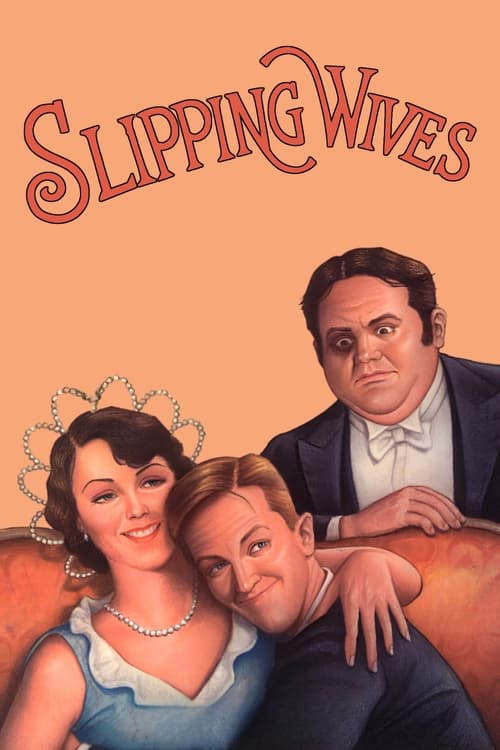
Slipping Wives
1927
No user ratings available yet
Representation score: 2.0 out of 10
Representation Score
Limited
1924
PassedDirector
William Nigh
Runtime
80 minutes
Average Rating
No ratings yetNew Showbiz Analysis
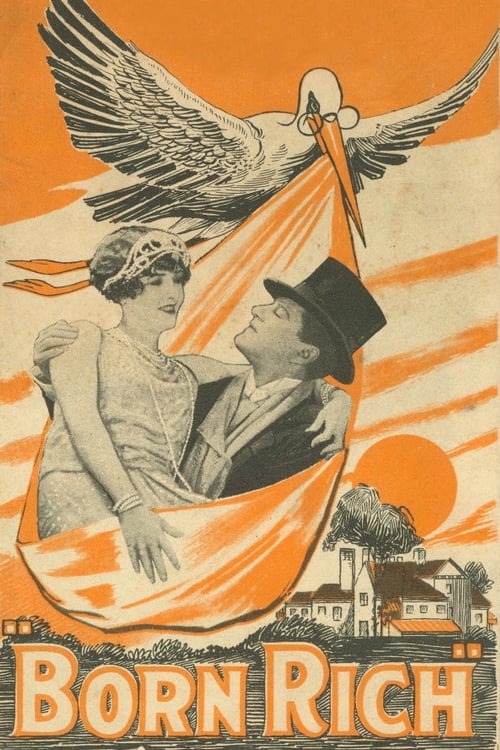
Born Rich is shaped by the social conventions of the 1920s, relying on melodramatic clichés of infidelity and social status. The narrative does not intentionally disrupt systemic power dynamics, focusing instead on the personal moral failings of its wealthy protagonists. While the film features a female lead, her influence is limited to reacting within a traditional domestic setting. The inclusion of a jazz musician hints at racialized clichés typical of the era, yet the core of the film remains centered on the struggles of a wealthy, white social class. Ultimately, the film presents a cynical view of the breakdown of the nuclear family. It prioritizes individual drama over any substantial critique of the era's broader social or racial hierarchies.
Category Breakdown
The story centers around heterosexual relationships and infidelity. There are no representations of LGBTQ+ identities or narratives that critique heterosexuality.
A female protagonist tries to regain control through psychological tactics. However, her actions are reactive, and the plot adheres to traditional domestic instability rather than challenging patriarchal structures.
A jazz musician is mentioned, which historically served as a racialized cultural marker in 1924. The narrative primarily focuses on the domestic issues of a wealthy social class.
The film examines the instability of wealth and the breakdown of marriage. It emphasizes individual moral failures rather than critiquing broader societal institutions.
There are no characters dealing with physical or neurodivergent disabilities. The husband's depression is portrayed as a reaction to infidelity rather than a disability narrative.
Present on Screen
Limited or Absent
Official Synopsis
When a wealthy young lady leaves the US to visit her aunt in France, her husband falls in love with a "flapper". When the wife returns home, she finds out about her husband's affair. In order to make him jealous, she leads him to believe she has fallen for a jazz musician. However, instead of making him jealous it drives him into depression and he takes refuge in booze and even more affairs.
1927
1938

1918
1934
1929
1942
1931
1924
No reviews yet. Be the first to share your thoughts on this movie!
Use the rating form above to leave a star rating and optional review.