The Spell of Amy Nugent
1941
No user ratings available yet
Representation score: 2.7 out of 10
Representation Score
Limited
1920
PassedDirector
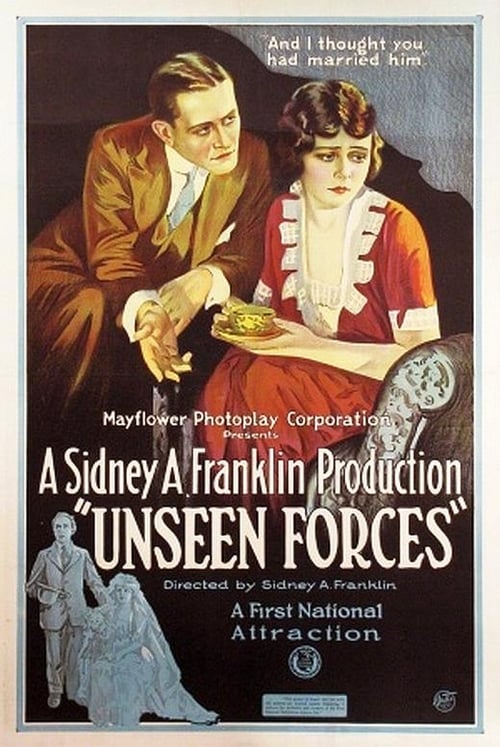
Sidney Franklin
Runtime
66 minutes
Average Rating
No ratings yetNew Showbiz Analysis
Unseen Forces operates within the traditional dramatic frameworks of the 1920s. The film finds its strength in the characterization of its female lead, Miriam Holt, who possesses specialized intellect and capability that challenges passive domesticity. However, the narrative lacks multi-layered complexity, focusing on a homogeneous social structure and lacking racial diversity or LGBTQ+ representation. While it explores spiritualism, it does not engage in systemic critique. Ultimately, the film enhances gender representation through Miriam's ability to act but remains limited by the era's social norms and narrow casting.
Category Breakdown
The film does not include any characters with non-straight or non-cisgender identities, nor does it depict any same-sex relationships. The plot revolves around a traditional romantic tension between Miriam Holt and Clyde Brunton.
Miriam Holt's character offers a nuanced portrayal through her psychic abilities, which provide her with significant influence and ability to act. However, the romantic resolution of the story reverts to traditional heterosexual norms.
The film appears to center on a homogeneous social structure, with no indication of a racially diverse cast. The production seems to focus on a predominantly Anglo-Saxon setting.
The film delves into spiritualism and the afterlife rather than adhering to strict religious doctrines. This focus on communicating with spirits suggests a move towards individualistic, metaphysical experiences.
Miriam’s psychic abilities can be seen as a sensory difference, but they are primarily framed as a special gift. No other characters with disabilities are shown with significant roles or ability to act.
Present on Screen
Limited or Absent
Official Synopsis
In the film, Breamer’s character, Miriam Holt (“the girl who sees around corners”), proves her psychic powers by locating children who went missing during the war. Her childhood love Clyde Brunton (Conrad Nagel) is unhappily married to a social climber, but Miriam’s ability to commune with the spirits of the dead (“those we love are always with us”) finds a way to resolve the problem.
1941
1921

1917
1920
1928
2000
1940
1906
No reviews yet. Be the first to share your thoughts on this movie!
Use the rating form above to leave a star rating and optional review.